Why Planning Before Planting Actually Matters
Most garden frustrations - overcrowded beds, wilting plants, a harvest that arrives all at once - trace back to decisions made before anything went in the ground. Planning isn't about following rigid rules; it's about gathering enough information about your specific space that your plant choices align with reality, not wishful thinking.
The good news is that a few foundational observations made early in the season can shape an entire year's worth of better outcomes. Whether you're tending a small backyard plot or exploring the idea of starting a vegetable garden from scratch, the same core principles apply.
Core Planning Principles to Apply Every Season
These aren't one-time considerations - they're habits that become faster and more intuitive with each growing season. Apply them together rather than picking one or two, and they reinforce each other in meaningful ways.
One often-overlooked decision is where your plants will actually grow. The choice between raised beds and in-ground planting shapes your drainage, soil quality, and long-term maintenance load - and it's worth thinking through deliberately rather than defaulting to whatever's most familiar.
Similarly, the plants you place near each other matter more than most new gardeners expect. Companion planting - pairing plants that support each other's growth - is a planning-stage decision that can reduce pest pressure and improve yields without any extra work mid-season.
Quick Wins You Can Act on Right Now
Not every planning improvement requires a full redesign. Several high-impact adjustments take less than an hour and set a noticeably better foundation for the season ahead.
If your garden includes a mix of ornamentals and edibles, consider weaving in native plants where possible. Because they're adapted to your local climate and soil, they typically need less water, fewer amendments, and minimal intervention once established - freeing up your attention for higher-maintenance crops.
Planning also extends beyond the outdoor space. If you grow indoors or use containers on a porch or patio, container gardening has its own planning logic around drainage, soil mix, and plant selection that's worth understanding before you fill a single pot.
Carrying Your Plan Through the Full Season
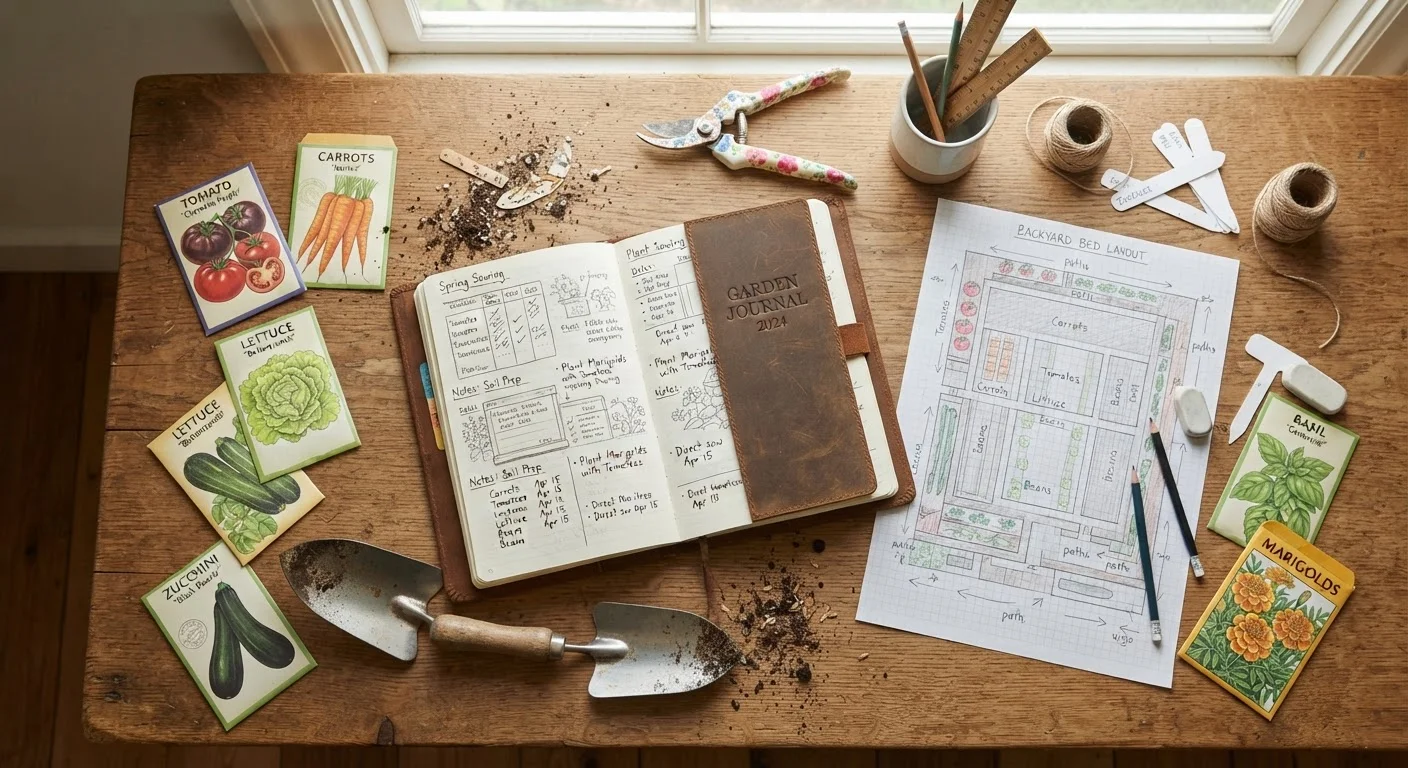
A garden plan is most useful when it extends past planting day. Note when each crop typically reaches maturity and plan what will fill that bed space afterward - this is called succession planting, and it keeps your garden productive rather than leaving beds empty for weeks at a time.
At the end of the growing season, your plan becomes a record. Jot down what worked, what was overcrowded, and which areas got more or less sun than expected. This kind of simple documentation makes next year's planning dramatically easier.
Don't overlook the transition out of the season, either. Knowing what to cut back and what to leave standing in fall is a planning decision in itself - one that affects soil health, overwintering insects, and how much work you face come spring.
Thoughtful planning won't eliminate every challenge a garden throws at you, but it will mean fewer surprises - and more growing season to actually enjoy.