The Case for Tackling Small Roof Repairs Yourself
Not every roof issue demands a professional invoice. For homeowners who are reasonably handy and comfortable working at heights, a limited range of repairs can be completed safely and effectively without hiring out. Understanding which tasks fall in this category - and under what conditions - is the foundation of smart DIY decision-making.
The most reasonable candidates for DIY roof work include:
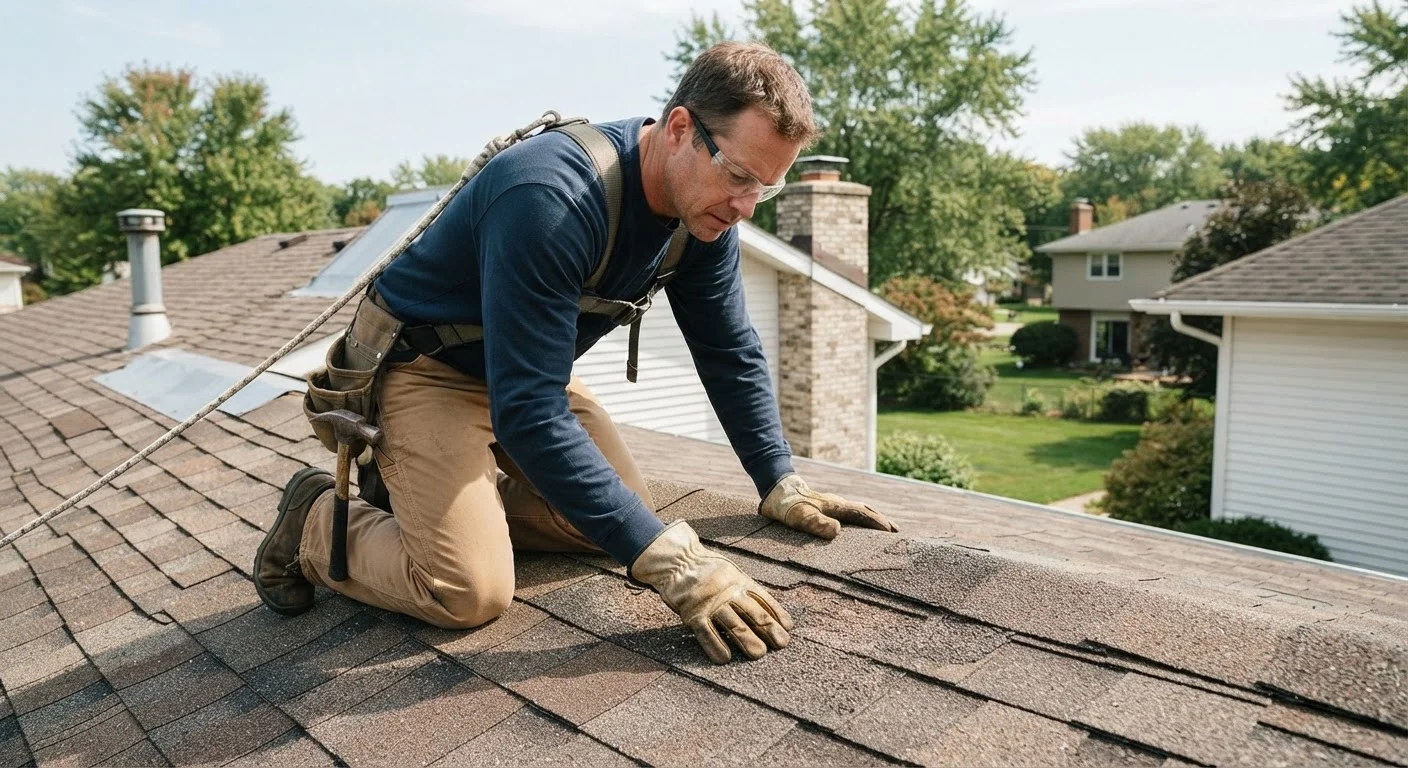
- Replacing a small number of damaged or missing asphalt shingles on a low-pitched, accessible roof section
- Clearing gutters and downspouts of debris to prevent water backup
- Applying roofing sealant around small, visible gaps at vent pipes or minor cracks
- Identifying and documenting damage before a professional assessment
These tasks are bounded, visible, and don't require disturbing the underlying structure. They also allow you to address minor issues quickly - a single displaced shingle, for example, can let moisture in within days if ignored.
Can address minor damage before it worsens
A single missing shingle can allow water infiltration within days. Quick DIY attention to small issues can prevent costly interior damage while you arrange a professional assessment.
Saves money on limited, low-complexity repairs
For straightforward tasks like replacing two or three shingles, the material cost is minimal and a service call fee may far exceed the actual work involved.
Builds familiarity with your roof's condition
Regularly inspecting and maintaining accessible roof areas gives homeowners earlier awareness of emerging problems, allowing for more proactive planning and budgeting.
Flexible timing for small maintenance tasks
Clearing gutters or applying minor sealant doesn't require scheduling a contractor visit, which can take days or weeks depending on local demand.
Before attempting any roof work, check your homeowner's insurance policy. Some insurers have specific language about DIY repairs affecting coverage eligibility, particularly if subsequent damage occurs. Verifying this first protects you financially.
Where the Risks Escalate Quickly
The line between manageable and dangerous on a roof is sharper than many homeowners realize. Several categories of work consistently exceed what DIY should cover - not because the tasks are technically mysterious, but because the margin for error is narrow and the consequences are severe.
Fall risk is serious and underestimated
Falls are among the most common causes of fatal DIY injuries in the home. Roof work compounds this risk with uneven surfaces, varying pitch, and the need to carry tools and materials while moving.
Improper repairs can void insurance coverage
Some homeowner insurance policies include clauses that reduce or deny claims when subsequent damage is traced to unpermitted or non-professional repairs. Review your policy before starting.
Hidden structural damage is easy to miss
Rotted decking or compromised rafters beneath shingles aren't always visible from the surface. DIY repairs that skip this layer can seal in ongoing moisture damage, worsening the problem.
Flashing errors cause persistent, hard-to-trace leaks
Water that enters through poorly fitted flashing often travels along rafters before appearing inside, making the source difficult to locate and the damage more widespread than expected.
Local codes may require licensed contractors
Depending on jurisdiction, even moderate roof repairs may require a permit and a licensed professional. Unpermitted work can complicate home sales and insurance claims down the line.
Structural decking repairs involve the wood substrate beneath your shingles. If that's rotted or damaged, replacing it correctly requires understanding load distribution - a concept that also applies when evaluating other parts of your home. See our guide to load-bearing walls for how structural misjudgments in one area can compound across your home.
Flashing replacement - the metal strips that seal transitions around chimneys, skylights, and valleys - requires precise fitting. Poorly installed flashing is one of the most common causes of persistent leaks, and the damage it hides often takes months to surface inside the home.
Large-scale shingle replacement or full re-roofing is not a DIY project. The physical demands, material quantities, and code compliance requirements place it firmly in licensed-contractor territory. If you're at the point of evaluating bids, our contractor hiring checklist covers what to ask before anyone starts work.
Check Local Permit Requirements First
Building codes vary significantly by state and municipality. Some jurisdictions require permits for repairs beyond simple shingle replacement, and others mandate that any work affecting the roof deck be completed by a licensed contractor. Contact your local building department or visit their website before starting any repair to confirm what applies to your property. Skipping this step can create complications when you sell your home or file an insurance claim.
Falls from roofs account for a significant share of serious home-related injuries each year. Even a one-story fall can be life-altering. If a section of roof feels unstable, is steeply pitched, or requires moving across wet or mossy surfaces, the risk profile changes substantially and professional help is the appropriate call.
Safety Minimums for Any Roof Work You Do Yourself
If you've assessed the task and concluded it's within your ability, safety preparation is non-negotiable. These aren't optional extras - they're the baseline that makes DIY roof work something other than a gamble.
- Use a properly rated extension ladder secured at the base and extended at least three feet above the roofline
- Wear rubber-soled, non-slip footwear - never smooth-soled shoes or sandals
- Have a second person present who can stabilize the ladder and call for help if needed
- Work only in dry, calm conditions - wet shingles and wind dramatically increase fall risk
- Know your local permit requirements - some jurisdictions require permits even for limited repairs; verify with your local building department before starting
Renters facing roof-adjacent concerns - such as ceiling leaks or gutter problems - should review who is responsible for repairs in rental housing before taking any action, as roof maintenance is typically a landlord obligation.
This article is for general informational purposes only. Always consult a licensed roofing contractor or building professional for guidance specific to your home, and verify all local permit and code requirements before beginning any repair work.