
Why Vetting a Contractor Matters
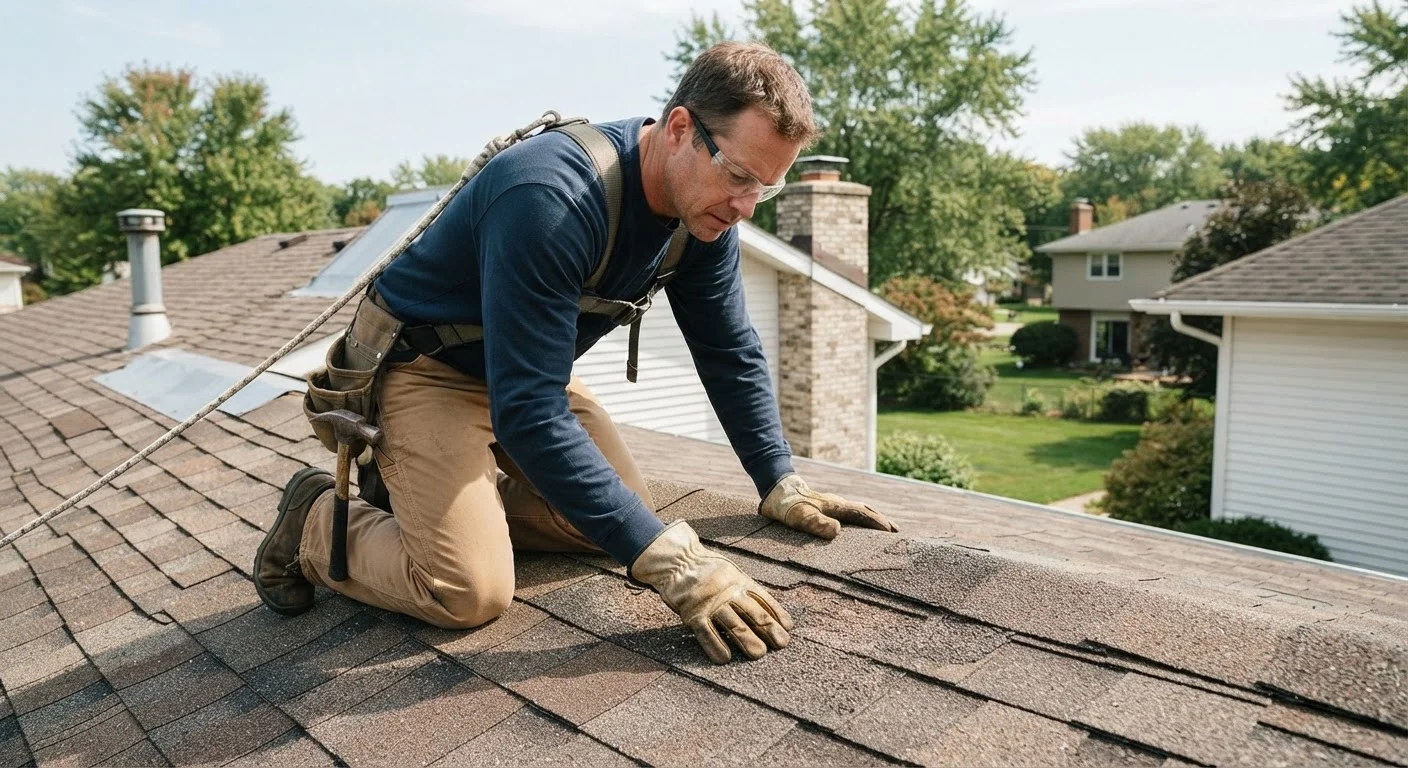
Hiring a contractor is one of the most consequential decisions a homeowner can make. Whether you're replacing a roof, remodeling a bathroom, or adding a deck, the person you hire will have significant access to your home and your budget. A poorly chosen contractor can leave a project unfinished, deliver substandard work, or create legal liability - and recovering from those situations is expensive and stressful.
The checklist below organizes the questions you should ask before you sign anything. Take notes during conversations with each candidate, and don't let pressure or urgency rush the process. For projects involving structural, electrical, plumbing, or gas work, always confirm that licensed professionals are involved. See our companion guide on permits and inspections to understand when local authorities need to be involved in your project.
Credentials and Legal Standing
Experience and References
Project Scope and Subcontractors
Timeline and Communication
Payment Terms and Contract Details
Permits and Inspections
Tools and Resources for This Process
Gathering the right documents and using reliable verification tools makes the vetting process faster and more reliable. Here's what to have on hand as you work through your questions.
State Contractor Licensing Board Website
Used to verify a contractor's license status, look up complaint history, and confirm any required specialty licenses for the project type.
Certificate of Insurance (COI)
A document provided by the contractor's insurer confirming current liability and workers' comp coverage - request one directly from the insurer to verify authenticity.
Written Bid Comparison Spreadsheet
A simple side-by-side document to compare scope, materials, timeline, and cost across multiple contractor bids.
Better Business Bureau (BBB) Lookup
A free resource for checking a contractor's complaint record and accreditation status before making a hiring decision.
Lien Waiver Template
A document that protects homeowners from subcontractor or supplier liens after they've paid the general contractor - ask your attorney for an appropriate version.
Local Building Department Contact
Used to confirm which permits your specific project requires and to verify that pulled permits are actually on file during the project.
Before You Sign: Final Considerations
Once you've worked through the checklist, compare your notes across all the bids you received. The lowest price isn't always the best value - a vague scope of work or missing insurance can cost far more than you'd save. Look for a contractor who communicates clearly, provides complete documentation without being asked, and doesn't pressure you to decide quickly.
If a renovation is part of a larger financial plan - perhaps tied to a home purchase or refinancing - it's worth reviewing your overall financial readiness separately. Our credit health checklist can help you assess your position before taking on debt for a major project.
Never Skip the Written Contract
A verbal agreement offers virtually no legal protection if a dispute arises. Every project - regardless of size or cost - should have a signed written contract that details scope, payment schedule, timeline, warranties, and how changes will be handled. If a contractor resists putting terms in writing, treat it as a serious red flag. Consider having a real estate or construction attorney review any contract for a large or complex project before you sign.
Trust your instincts. If a contractor is reluctant to answer any of the questions in this checklist, that hesitation is itself useful information. A reputable professional will expect thorough questions and welcome the opportunity to demonstrate their credentials.
This article is for general informational purposes only and does not constitute legal or financial advice. Requirements for permits, licensing, and insurance vary by state and municipality. Consult a qualified local professional for guidance specific to your project and location.