
Why Prepare Before You Apply
Applying for a loan without checking your credit health first is like showing up to a job interview without reviewing your resume. Lenders evaluate a specific set of factors - and if those factors are weak or inaccurate, you may face a higher interest rate, a smaller loan amount, or an outright denial. The good news: most of these factors are within your control, especially with some lead time before you apply.
This checklist walks you through the key areas lenders typically assess - from your credit score to your debt load - so you can spot problems and address them before submitting an application. It's general financial education, not personalized advice; for guidance tailored to your situation, consider consulting a licensed financial professional.
If you're starting from zero with no credit history at all, you may first want to review our guide to building credit from scratch before working through this checklist.
Credit Report Review
Credit Score Assessment
Payment History
Credit Utilization
Debt-to-Income Ratio
Credit Inquiries and New Accounts
Tools That Help You Prepare
You don't need to pay anyone to complete this checklist. Several free and low-cost resources are available to help you pull the information you need.
AnnualCreditReport.com
The official federally authorized site to request free credit reports from all three major bureaus.
Credit card or bank credit score dashboard
Many banks and card issuers provide a free credit score with a score-factor breakdown - no hard inquiry required.
Spreadsheet or budgeting app
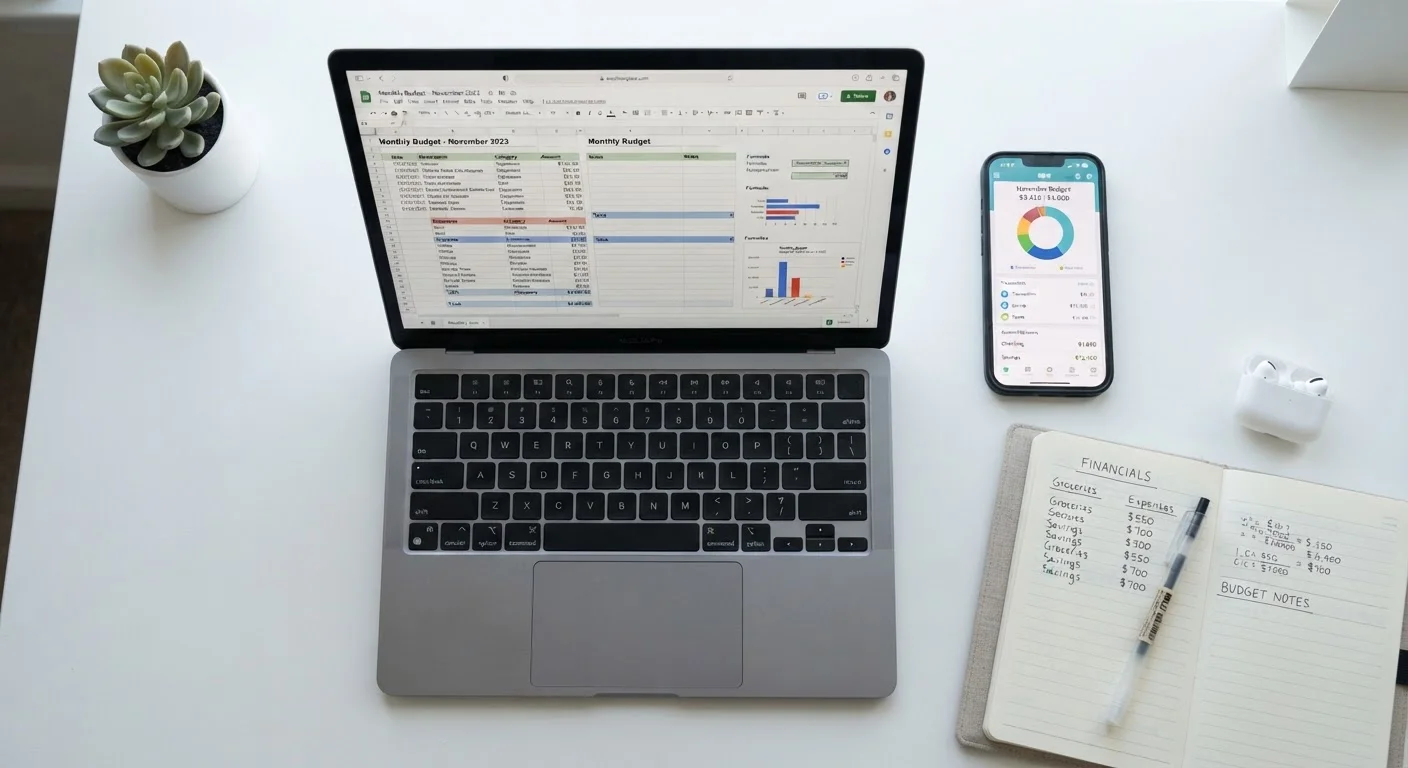
Use any spreadsheet or budgeting tool to calculate your debt-to-income ratio by listing monthly debt payments and gross income.
Bureau dispute portal
Each of the three major credit bureaus offers an online dispute process to correct errors found on your report.
Once you've gathered your credit reports and scores, you'll have everything needed to work through the checklist systematically. Plan to revisit your reports at least a few weeks before applying - that window gives you time to dispute errors and potentially see corrections reflected.
Avoid Hard Inquiries While Preparing
Every time you formally apply for credit, the lender typically performs a hard inquiry that appears on your report and can lower your score slightly. While researching your options, stick to pre-qualification tools (which use soft inquiries) and avoid submitting full applications until you're ready. Spacing out applications also gives any recent negative marks less weight when a lender eventually reviews your file.
Third-Party Credit Repair Services
Be cautious of paid services that promise to quickly fix or erase accurate negative information from your credit report. Under federal law, you have the right to dispute genuine errors yourself at no cost - accurate negative information generally cannot be legally removed before its scheduled expiration date, regardless of what a service claims.
If a home purchase is in your future, completing this checklist is a smart step before exploring the difference between mortgage pre-approval and pre-qualification. Those processes involve formal credit pulls, so arriving prepared matters.
What to Do If You Find Problems
Working through this checklist might reveal issues - a score lower than expected, errors on a report, or a debt-to-income ratio that's too high. None of these are dead ends. Most credit problems respond to consistent, targeted action over time.
- Errors: File a dispute directly with the credit bureau reporting the mistake. Bureaus are generally required to investigate within 30 days under federal law.
- High utilization: Paying down revolving balances is usually the fastest way to improve your score before applying.
- Late payments: You can't erase them, but you can prevent new ones. A consistent on-time payment record going forward gradually reduces their impact.
- High debt-to-income ratio: Consider paying off smaller debts or delaying the loan application until your income or debt picture improves.
Once you're confident in your credit health, you may find this checklist pairs naturally with our pre-closing checklist if you're heading toward a home purchase - or with our investment readiness checklist if building long-term wealth is your next goal.
This article is for general informational and educational purposes only and does not constitute personalized financial, credit, or legal advice. Consult a qualified financial professional for guidance specific to your circumstances.