
Why Budgeting Myths Are So Costly
Millions of Americans delay getting their finances in order-not because they lack the desire to improve, but because they believe something false about what budgeting requires. These myths act as invisible barriers: they feel like reasonable conclusions, but they're rooted in misunderstanding rather than reality.
The cost of waiting is real. Every month without a spending plan is a month where money leaks out in ways that could have been redirected toward goals-paying down debt, building an emergency fund, or simply reducing financial stress. The good news is that once you identify the myth keeping you stuck, the path forward becomes much clearer.
This article tackles the most common budgeting misconceptions head-on. Whether you've tried budgeting before and given up, or never started at all, understanding what's actually true can be the push that finally gets you moving. For a practical next step, see our step-by-step guide to building your first monthly budget.
Myth
Budgeting is only useful if you make enough money to have something left over.
Fact
Budgeting is especially valuable on a tight income-it helps you direct every dollar where it matters most.
This myth has it backwards. People with limited incomes often benefit more from budgeting than higher earners, because there's less margin for error. When money is scarce, knowing exactly where each dollar is going prevents small leaks from becoming big shortfalls. A budget doesn't create money-but it does make what you have work harder. Even a simple written plan covering income and fixed expenses is more effective than no plan at all.
Myth
Budgeting means you can never spend money on things you enjoy.
Fact
A realistic budget includes spending on things that matter to you-it just makes that spending deliberate.
Restriction-only budgets tend to fail quickly because they treat normal human enjoyment as a problem to eliminate. Sustainable budgets work differently: they carve out a defined amount for discretionary spending-dining out, hobbies, entertainment-so you can enjoy those things without guilt or overspending. The goal is intentionality, not deprivation. If you've struggled with overly strict plans before, our guide on why budgets collapse in month two explains how to build in the flexibility that makes budgets last.
Myth
You need special software or financial expertise to budget effectively.
Fact
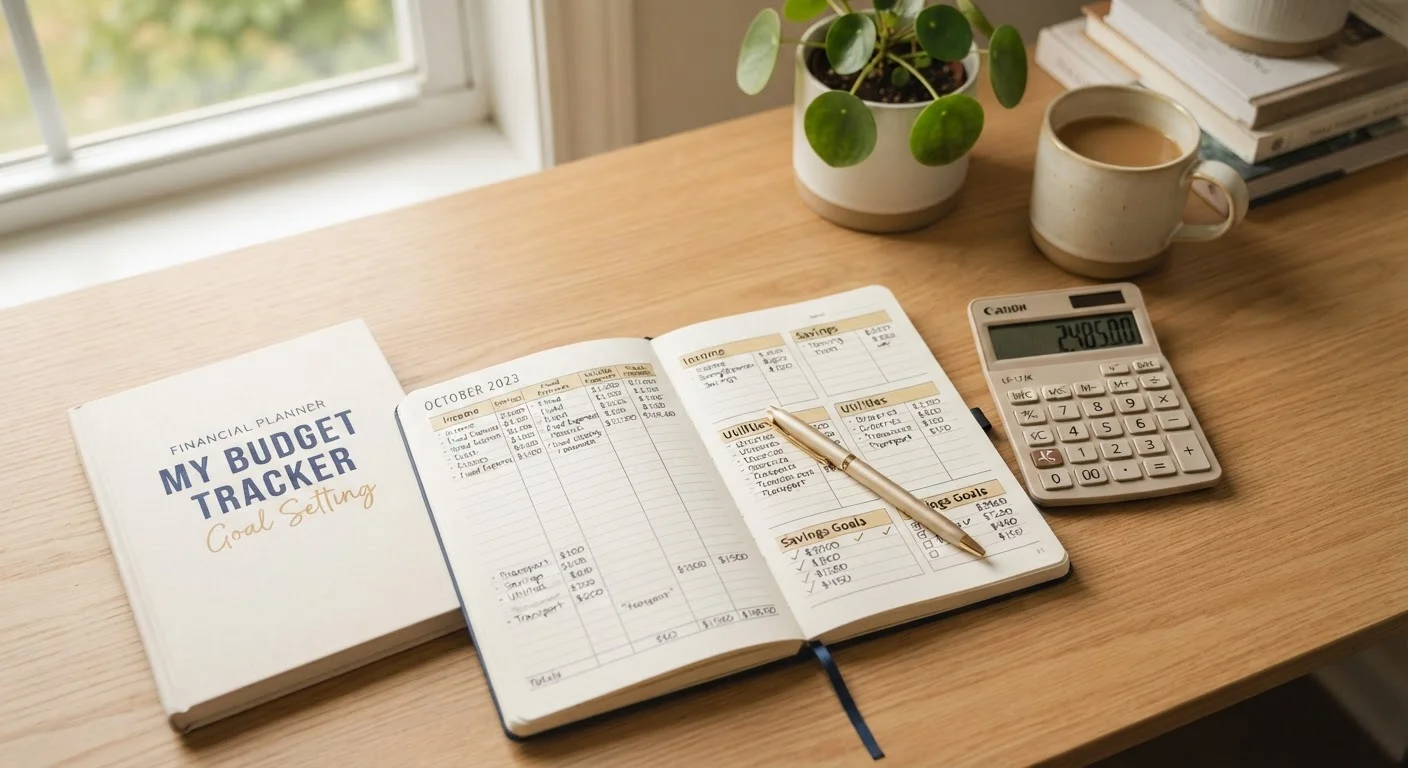
A notebook and a pen are sufficient tools for building a functional, effective budget.
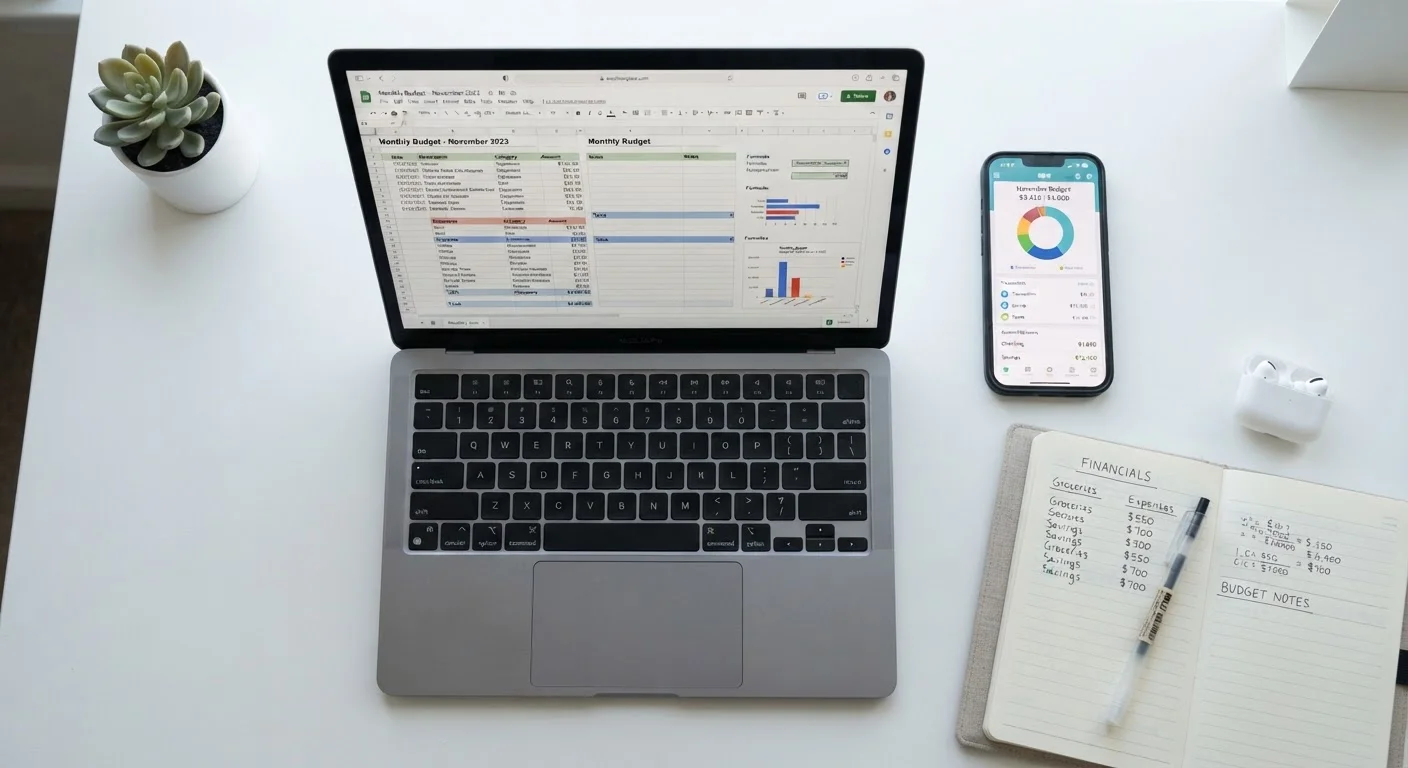
Apps and spreadsheets can be helpful, but they're not prerequisites. Many people successfully manage their finances with nothing more than a written list of income and expenses. What matters is the habit of tracking and reviewing-not the tool used to do it. If technology helps you stay consistent, use it. If it creates a barrier to starting, skip it. The simplest system you'll actually maintain is always better than the sophisticated one you won't.
Myth
If you break your budget once, the whole thing has failed.
Fact
Missing a budget target is a normal part of the process-what matters is adjusting and continuing.
Perfectionism is one of the most common reasons people abandon budgets entirely. One overspent category or one unplanned expense doesn't undo the value of a budget-it's data. It tells you where your plan needs adjustment. Experienced budgeters expect variances; they review what happened and recalibrate rather than quitting. Think of budgeting as a skill that improves with practice, not a pass/fail test. The broader patterns of personal finance work the same way-as our complete budgeting overview explains.
Myth
Budgeting is so restrictive that it will create constant stress about money.
Fact
Research and widely reported experience suggest that having a spending plan typically reduces financial anxiety, not increases it.
The stress most people associate with budgeting is actually the stress of financial uncertainty-not knowing whether there's enough money to cover expenses, or feeling out of control. A budget replaces that uncertainty with a clear picture. When you know what you have and where it's going, decisions become easier and guilt decreases. That said, a budget that's unrealistically tight will create stress-which is why honest, flexible budgets tend to work better than overly ambitious ones.
What Effective Budgeting Actually Looks Like
After clearing away the myths, a more honest picture emerges: budgeting is simply the practice of deciding in advance what your money will do. It doesn't demand spreadsheets, financial expertise, or a willingness to give up everything enjoyable. It demands awareness and a plan-however rough-that you revisit regularly.
The most effective budgets tend to be simple enough to maintain. A method like zero-based budgeting-where you assign every dollar a purpose before the month begins-works well for people who want structure. Others prefer percentage-based frameworks. The right system is the one you'll actually use. Learn how one structured approach works with our overview of zero-based budgeting.
It also helps to understand that budgets break-and that's normal. Most budgets falter around month two, not because the person is irresponsible, but because the plan was too rigid or didn't account for real life. Designing flexibility into your budget from the start makes it far more durable.
Finally, budgeting doesn't exist in isolation. It's the foundation that makes saving and investing possible. Once you know what you're spending, you can identify what's available to grow. Explore how spending awareness connects to wealth-building through our Saving & Investing hub.
This article is for general informational and educational purposes only and does not constitute personalized financial advice. For guidance tailored to your specific situation, consider speaking with a licensed financial professional.