How Dashboard Warning Lights Work
Your car's onboard computer constantly monitors dozens of systems - engine, transmission, brakes, emissions, and more. When a sensor detects something outside its normal range, it triggers a warning light on your instrument cluster. Think of it as your car's way of raising its hand before a small problem becomes a large repair bill.
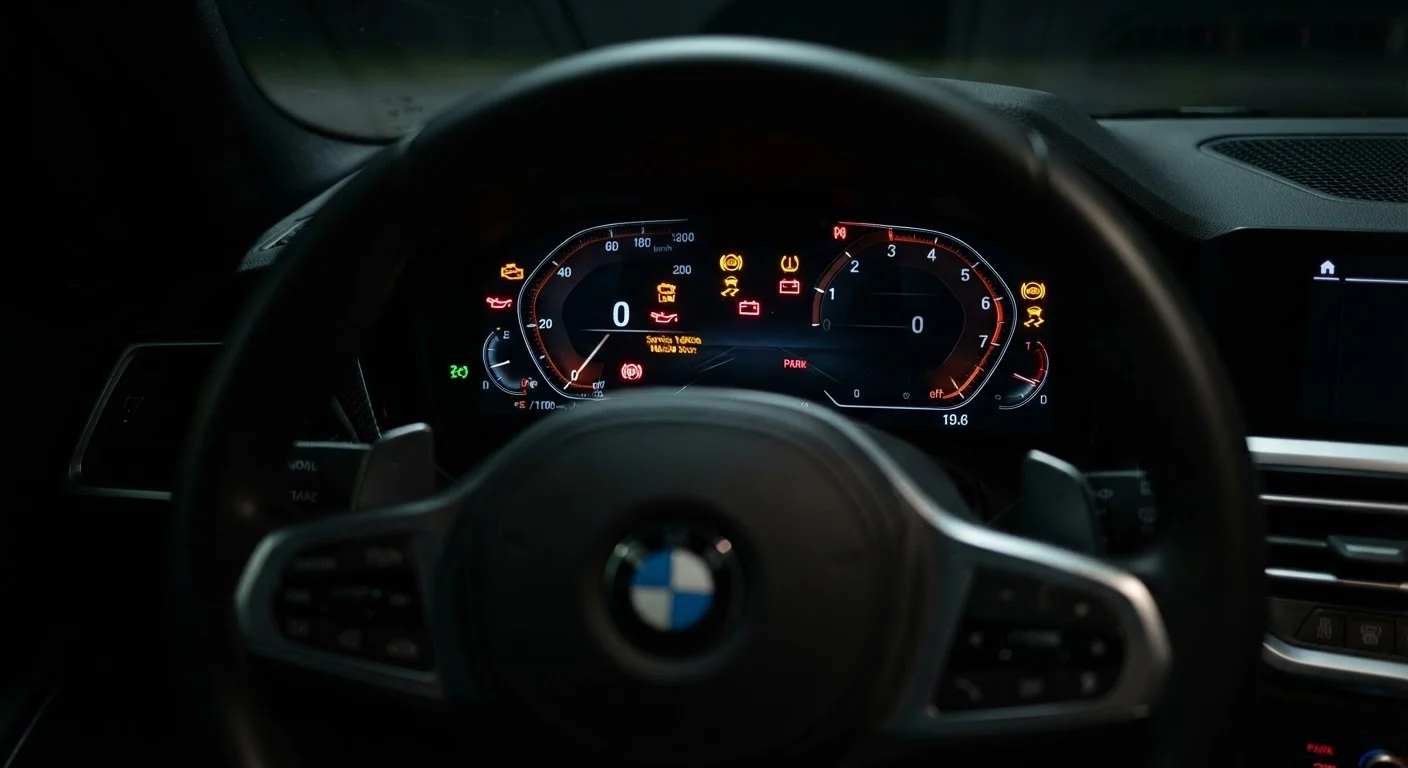
Warning lights generally fall into three urgency tiers: red means stop or act immediately, amber/yellow means investigate soon, and green or blue are typically informational indicators rather than warnings. That said, the exact color coding varies slightly by manufacturer, so your owner's manual is always the most reliable reference for your specific vehicle.
For a broader look at keeping up with your vehicle's health, see our car maintenance schedule guide.
The Most Common Warning Lights, Explained
Check Engine Light (Engine Symbol)
This is the most misunderstood light on any dashboard. It can signal anything from a loose gas cap to a misfiring cylinder. A steady check engine light usually means something needs attention soon but isn't an emergency. A flashing check engine light signals an active misfire that can damage your catalytic converter - pull over safely and avoid hard acceleration until a mechanic can read the diagnostic codes.
Oil Pressure Warning (Oil Can Symbol)
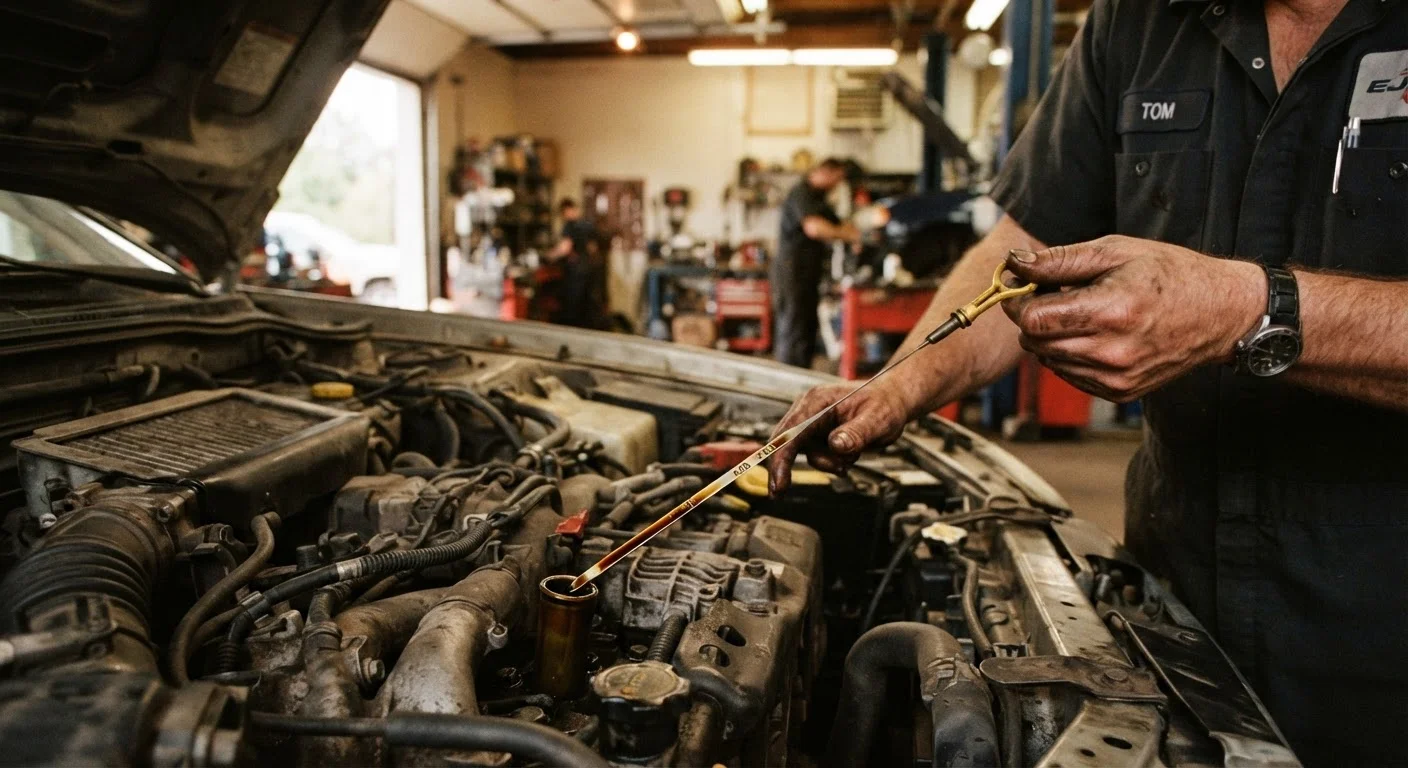
If this red light comes on while you're driving, treat it seriously. Low oil pressure can mean your engine isn't being lubricated properly, which can cause rapid, severe damage. Pull over when it's safe, turn off the engine, and check the oil level. Do not drive with this light on without first diagnosing the cause.
Engine Temperature Warning (Thermometer Symbol)
A red temperature warning means your engine is overheating. Pull over and let it cool before opening the hood - never open a hot radiator cap. Low coolant, a failing thermostat, or a coolant leak are common causes. Our guide to car fluids every driver should know covers coolant and what to watch for.
Battery / Charging System Light (Battery Symbol)
This amber or red light indicates the charging system isn't maintaining battery voltage. A failing alternator is the most frequent culprit. Once the battery drains completely, the car will stall. Get to a mechanic promptly. For related symptoms to watch before a full failure, see signs your car battery is failing.
Brake System Warning (Exclamation Mark in Circle)
This light has two common triggers: your parking brake is engaged, or your brake fluid is low. If the parking brake is off and the light stays on, check your brake fluid level and schedule a brake inspection. Brake issues carry significant safety risk - don't delay. Our article on brake noises and when to stop driving pairs well with this topic.
TPMS Light (Tire with Exclamation Mark)
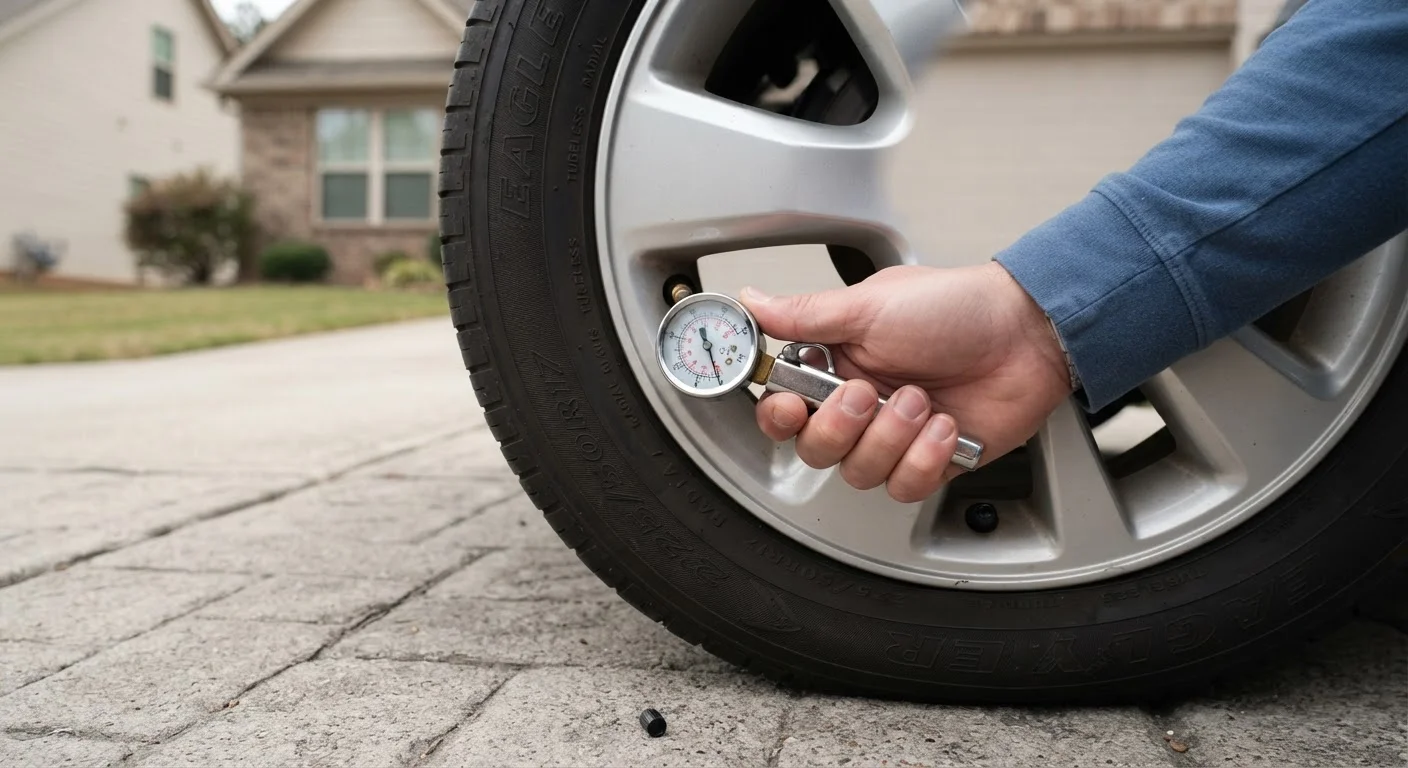
The Tire Pressure Monitoring System light means at least one tire is significantly under- or over-inflated. Check all four tires with a gauge and inflate to the pressure listed on the sticker inside your driver's door jamb - not the number on the tire sidewall.
Traction Control / Stability Control (Car with Wavy Lines)
A briefly flashing traction control light is normal - it means the system is actively working, such as on a slippery road. A steady light usually means the system has been turned off or has a fault. Learn how these systems work in our guide to ABS, traction control, and stability control.
What to Do When a Light Comes On
Your first step when any new warning light appears is to identify the color and consult your owner's manual. Red lights warrant immediate action; amber lights mean schedule a service visit within a day or two. Never ignore a light simply because the car seems to be driving normally - some problems develop silently until they don't.
A mechanic or auto parts store can scan your car's diagnostic trouble codes (DTCs) with an OBD-II reader. This gives a starting point for diagnosis, though a code alone doesn't always reveal the full picture - a trained technician can interpret the data in context.
If you're newer to car ownership basics, our article on understanding your car if you've never looked under the hood is a practical place to start building confidence with these situations.
OBD-II
On-Board Diagnostics II - a standardized system built into most vehicles made after 1996 that stores diagnostic trouble codes when a warning light is triggered. A scan tool plugged into the OBD-II port can read these codes.
Diagnostic Trouble Code (DTC)
A numeric code stored by your car's computer when a sensor reading falls outside normal parameters. DTCs help technicians identify where a problem originates, though they describe a symptom rather than a definitive cause.
Catalytic Converter
An emissions control device in your exhaust system that converts harmful combustion byproducts into less toxic gases. A misfiring engine can overheat and permanently damage this component.
TPMS
Tire Pressure Monitoring System - a sensor-based system that alerts the driver when one or more tires fall below a safe inflation threshold. Required on all new U.S. passenger vehicles since 2008.
Instrument Cluster
The panel directly behind the steering wheel that displays your speedometer, fuel gauge, warning lights, and other vehicle information.