
Why Basic Car Knowledge Matters
Most drivers rely on their vehicles every single day without knowing much about how they actually work. That's completely normal - but a little foundational knowledge goes a long way. Understanding your car's basics helps you catch small problems before they become expensive ones, communicate clearly with mechanics, and feel more in control of what is, for most households, one of their largest monthly expenses.
You don't need to be a hobbyist or gearhead. The goal here is practical literacy: knowing what to look for, what to schedule, and when to hand things off to a professional. Think of it the same way you'd think about basic home ownership - you don't need to rewire the house, but knowing where the breaker box is and how to reset a tripped circuit is genuinely useful. The car ownership basics covered in this guide work the same way.
What You Can Check Yourself
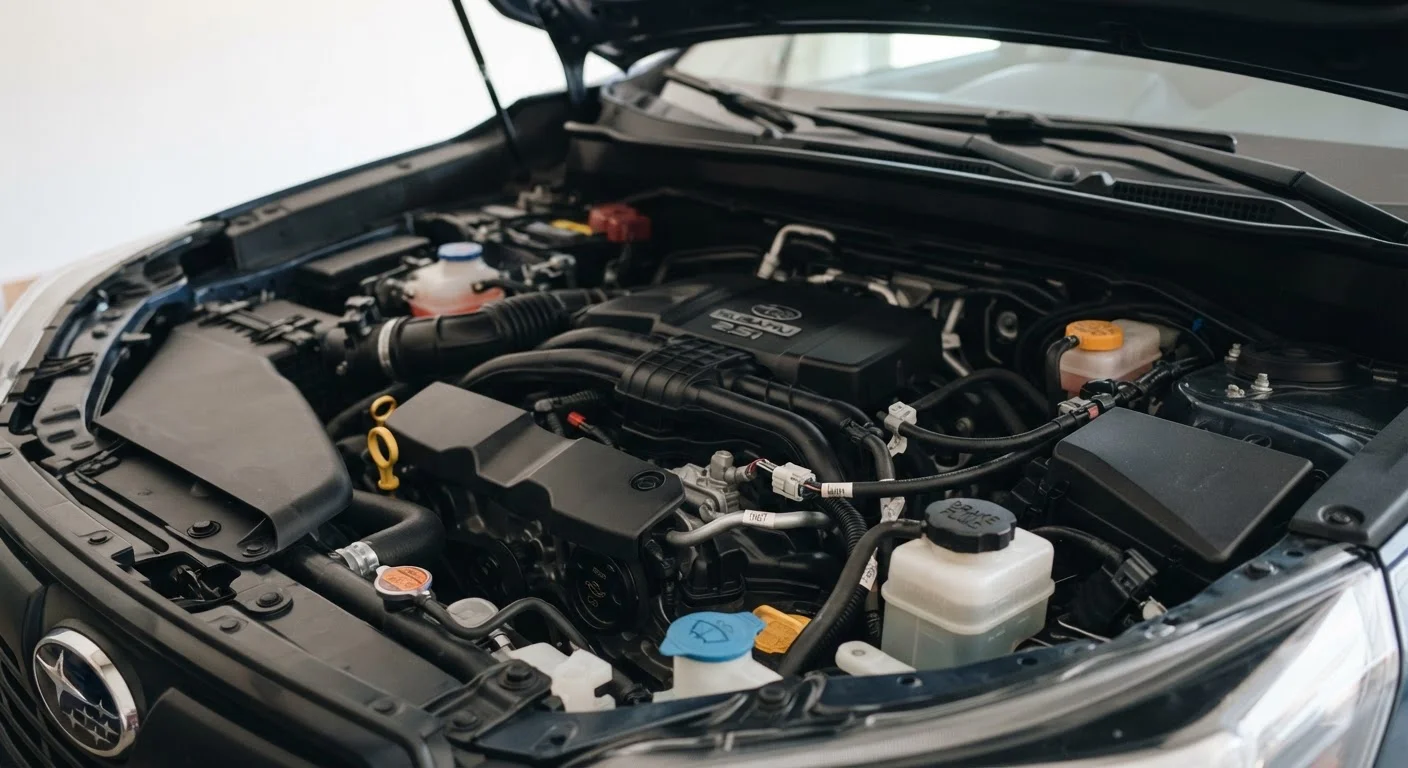
Opening the hood doesn't commit you to anything. There are several things any driver can inspect in about ten minutes - no tools required.
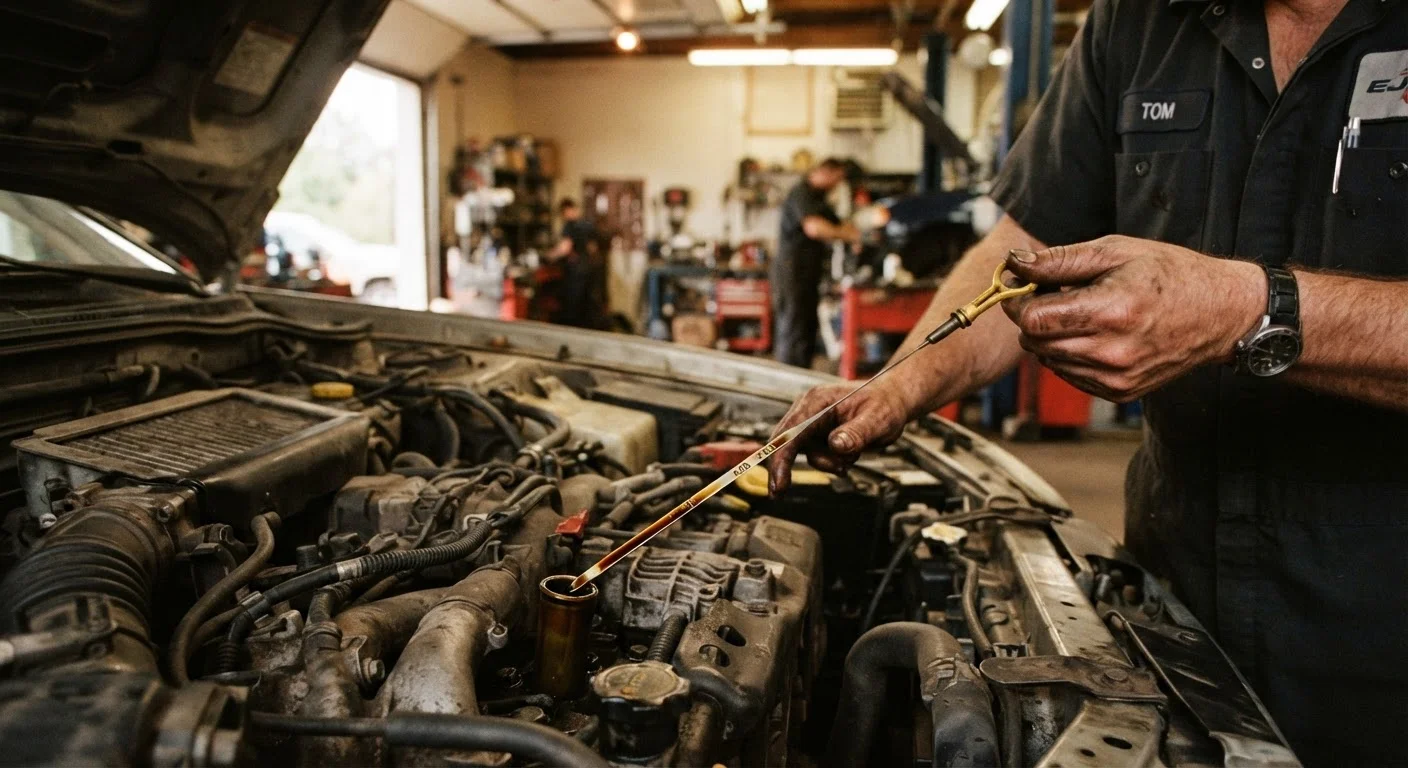
- Engine oil: Pull the dipstick (usually a brightly colored handle), wipe it clean, reinsert it fully, then pull it again. The oil level should fall between the two marks on the stick. If it's low, add the type specified in your owner's manual.
- Coolant: The coolant reservoir is a translucent plastic tank. The level should sit between the min and max lines. Never open it when the engine is hot.
- Windshield washer fluid: Clearly labeled with a windshield icon. Safe to top off yourself at any time.
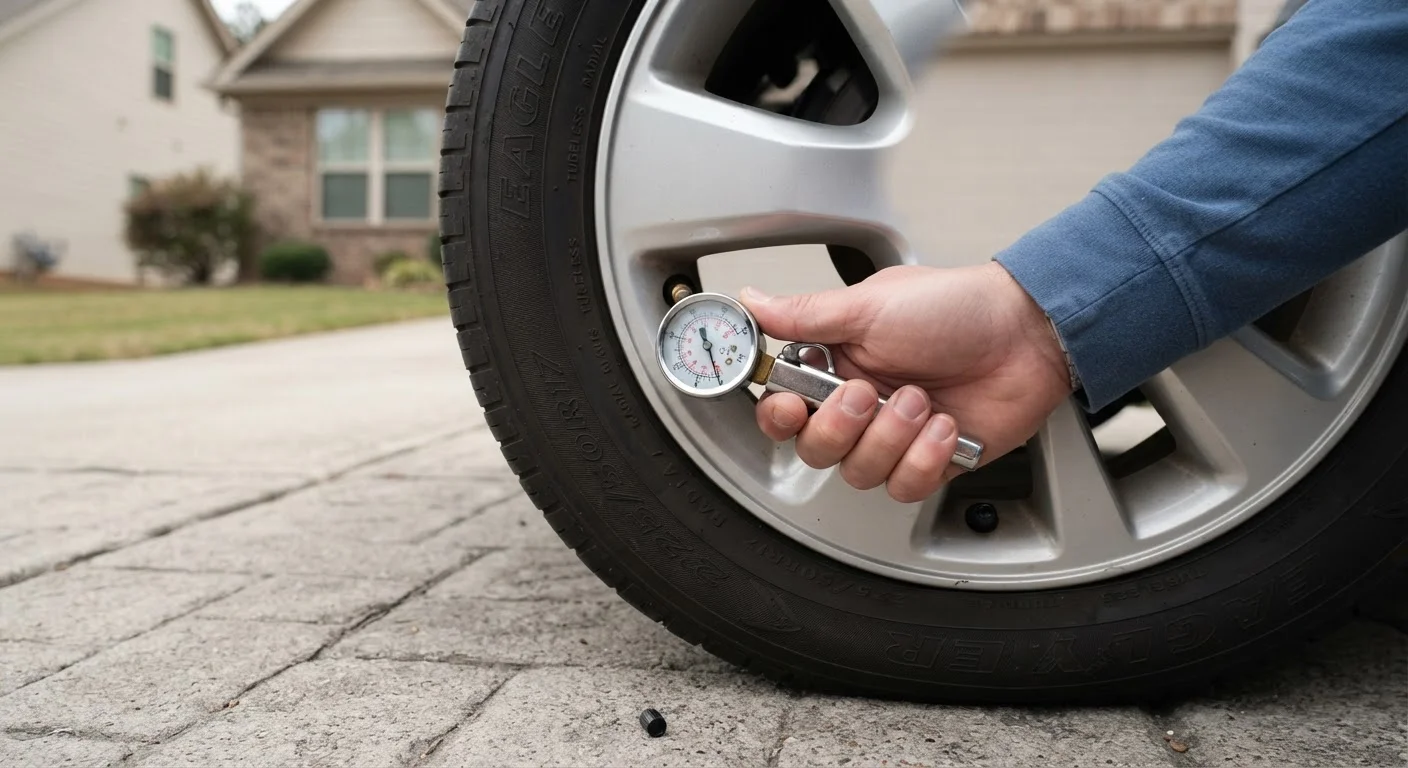
- Tire pressure: Use an inexpensive pressure gauge to check all four tires (plus the spare if your car has one) monthly. The correct pressure for your car is on a sticker inside the driver's door - not on the tire itself. For a deeper dive, see tire care basics.
- Brake fluid and power steering fluid: These have reservoirs under the hood as well. If either drops unexpectedly, have a mechanic investigate - a sudden drop often signals a leak rather than normal consumption.
What Your Dashboard Is Telling You
Modern cars communicate through a set of warning lights on your instrument panel. Some are simple reminders; others signal something that needs immediate attention. The key is knowing which is which.
Generally speaking, red lights mean stop and address now. Yellow or amber lights mean take note and schedule service soon. Green or blue lights are informational - they tell you something is on, like your high beams or turn signal.
The check engine light is one of the most misunderstood. It doesn't automatically mean your engine is failing - it can be triggered by something as minor as a loose gas cap. That said, it shouldn't be ignored for long, because it can also flag more serious issues. A mechanic can connect a diagnostic tool to read the specific code and tell you exactly what triggered it. For a full reference on what these symbols mean, warning lights explained breaks down the most common ones in plain language.
Maintenance You Should Schedule Regularly
Your owner's manual contains a maintenance schedule tailored to your specific vehicle. It lists services by mileage or time intervals - things like oil changes, filter replacements, fluid flushes, and tire rotations. Following it is one of the highest-return habits you can build as a car owner.
If you're not sure what those service milestones actually mean, your car's maintenance schedule, explained walks through each one clearly. And if you've bought a used car or inherited one, reading service records like a mechanic can help you figure out where things stand.
Keep Your Owner's Manual Within Reach
Your owner's manual is the single most reliable source of information about your specific vehicle. It tells you exactly what fluids to use, what the warning lights mean, and when each service is due. If your car didn't come with one, most manufacturers make digital versions available on their websites at no cost.
A broader view of what to review each year - including registration, insurance, and ownership costs - is covered in the annual car ownership audit.
How to Talk to a Mechanic with Confidence
One reason people dread the shop is feeling like they don't know enough to advocate for themselves. The good news: you don't need to know the diagnosis - you just need to describe what you're experiencing clearly.
Use observable details: what you hear (grinding, clicking, hissing), what you feel (vibration, pulling to one side, soft brake pedal), what you smell (burning, sulfur, something sweet), and when it happens (only when braking, only in cold weather, only at highway speeds). That kind of specific description helps a mechanic narrow down the cause quickly and honestly.
It's also reasonable to ask for a written estimate before work begins, and to ask the shop to explain what they found and why a repair is needed. A good mechanic will welcome those questions. For anything safety-related - brakes, steering, tires - don't delay; those are worth addressing promptly. More guidance on staying safe on the road is available through the driving and safety hub.