What a Maintenance Schedule Actually Is
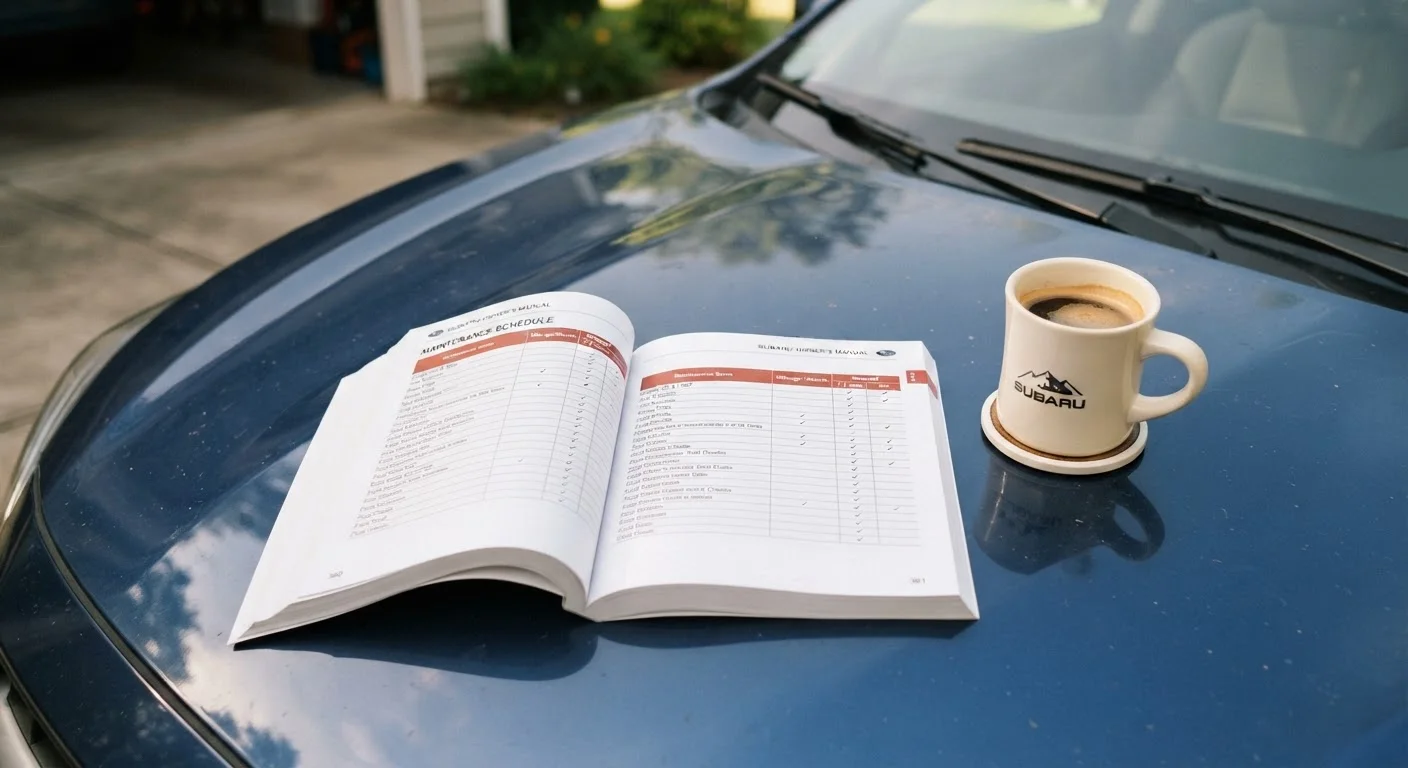
Every car comes with a manufacturer-designed service plan buried somewhere in your owner's manual. It lists the specific intervals - in miles, months, or both - at which your car needs attention. Think of it as a blueprint your car's engineers built alongside the vehicle itself.
The schedule typically breaks into routine items (oil, filters, tire rotation) and longer-interval items (spark plugs, transmission fluid, coolant, timing belt). Most drivers focus on oil changes and forget the rest, which is where problems quietly build up.
If you've never opened your owner's manual, our introduction to car ownership basics is a good place to start before diving into the schedule itself.
The Most Common Service Milestones
Here's what you'll actually encounter in a typical maintenance schedule and what each one does:
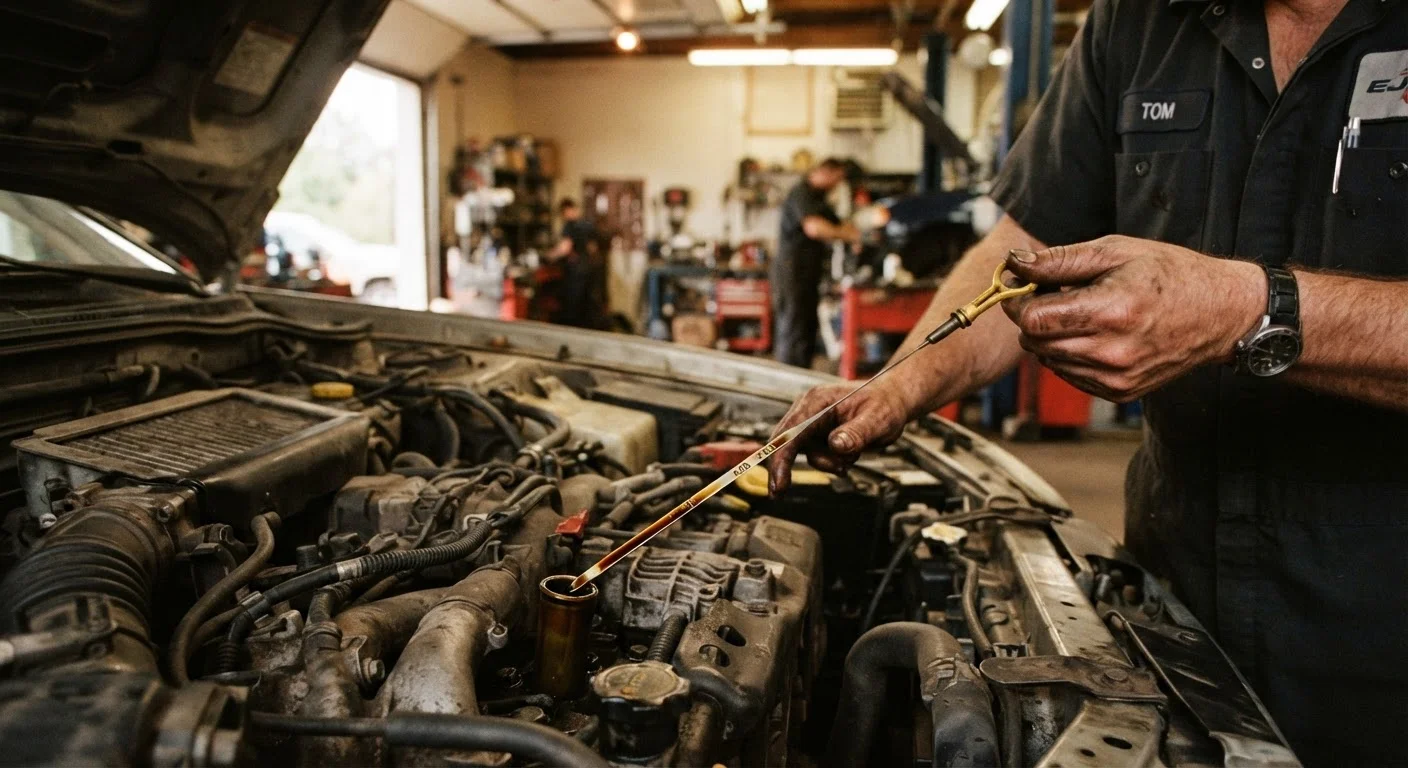
- Oil and filter change: Keeps your engine lubricated and removes contaminants. Intervals depend on the oil type and your vehicle - check your manual rather than assuming a fixed mileage. For more on this, common maintenance myths covers why the 3,000-mile rule is often outdated.
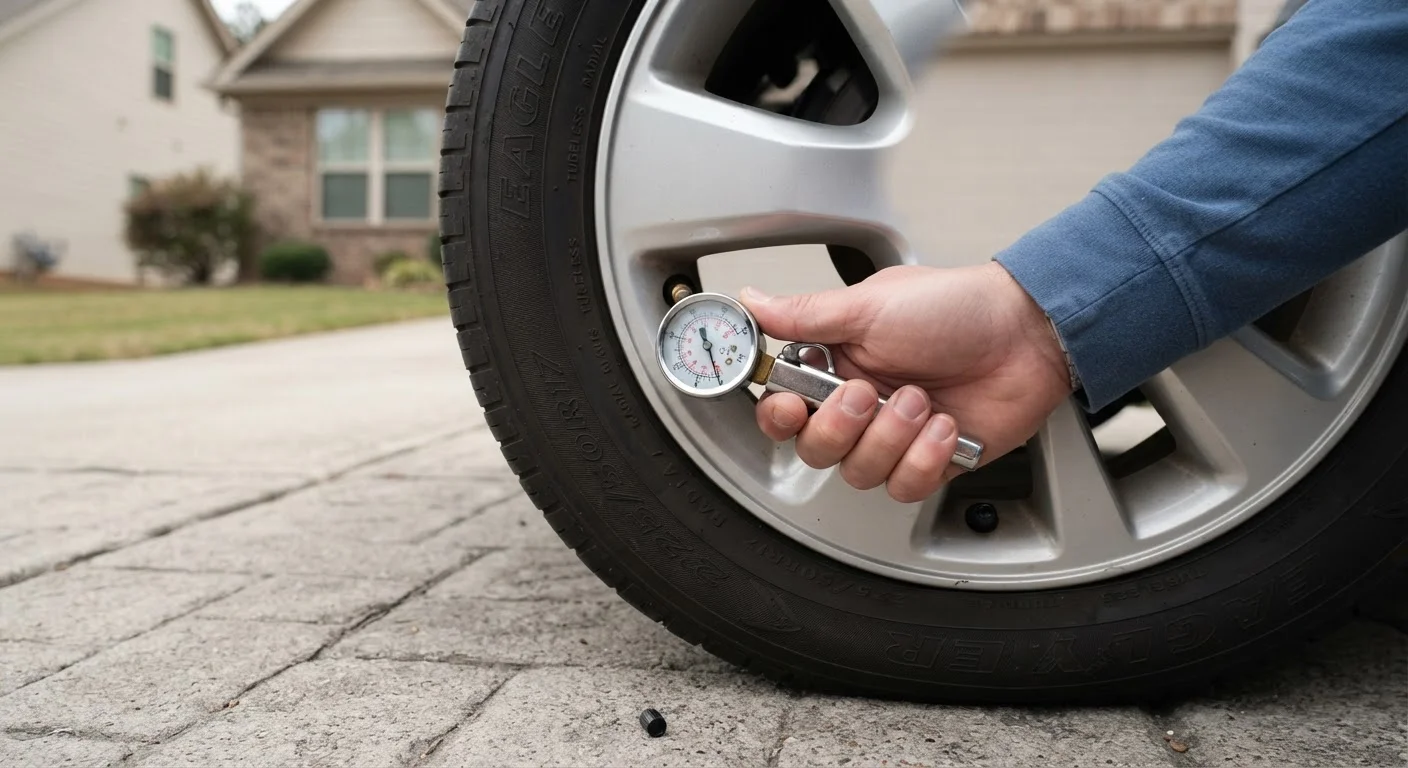
- Tire rotation: Moves tires front-to-back (or in a cross pattern) to even out wear. Usually every 5,000-7,500 miles. Tire care basics explains why this matters for safety and tread life.
- Air filter replacement: A clogged engine air filter restricts airflow, which can reduce fuel efficiency and performance. Typically replaced every 15,000-30,000 miles.
- Brake inspection: Pads, rotors, and fluid should be checked periodically. Brake fluid absorbs moisture over time and may need flushing every 2-3 years depending on the manufacturer.
- Coolant flush: Keeps your engine from overheating and prevents corrosion inside the cooling system. Intervals vary widely - some cars need it every 30,000 miles, others every 100,000.
- Spark plugs: Worn plugs cause misfires and poor fuel economy. Conventional plugs often last 30,000 miles; iridium or platinum plugs can go 60,000-100,000 miles.
- Transmission fluid: Protects the transmission from heat and wear. Many owners skip this entirely because it's not always on a quick-service menu. Your manual specifies the interval.
Understanding what's in your fluids - and what happens when they're neglected - is covered in our guide to car fluids.
Use Your Manual, Not the Sticker
Quick-lube shops often place a reminder sticker on your windshield suggesting an oil change interval. That interval may not match your manufacturer's recommendation. Always cross-reference with your owner's manual or the manufacturer's website - especially if you use synthetic oil, which typically lasts longer than conventional.
Normal vs. Severe Driving Conditions
Most maintenance schedules include two tracks: one for normal driving and one for severe conditions. Manufacturers define severe differently, but common examples include frequent short trips, stop-and-go commuting, towing, extreme temperatures, or dusty road environments.
If your driving fits the severe category, the schedule recommends shorter intervals for many services. Ignoring this is a common reason cars develop problems well before their expected lifespan.
40%
Of drivers who skip or delay maintenance
The Car Care Council has consistently found that a large share of vehicles on the road are overdue for at least one recommended service item.
$1,200+
Average annual cost of neglected maintenance repairs
Industry estimates suggest that deferred maintenance leads to significantly higher repair costs over a vehicle's lifetime compared to staying on schedule.
Not sure whether your driving qualifies? Your owner's manual usually lists the specific criteria. When in doubt, treating your driving as severe is the more conservative - and protective - choice.
Why Staying on Schedule Pays Off
Deferred maintenance has a compounding effect. A missed transmission fluid change doesn't just mean slightly dirtier fluid - it means increased heat, faster wear, and eventually a repair that costs several times what the service would have. The same logic applies down the maintenance list.
There's also a financial case beyond repairs. A well-documented service history can improve your car's resale value. Buyers and dealers look for it. If you plan to sell eventually, keeping thorough maintenance records is one of the easiest ways to protect your investment. And if money is tight right now, prioritizing the most critical services can help you avoid the repairs that cost the most.
Finally, your dashboard warning lights are worth monitoring alongside your schedule. If something comes on between service appointments, understanding what those lights mean helps you respond appropriately - not just reset them and hope for the best.