Why Car Fluids Matter
Your car depends on a handful of fluids to keep its systems cool, lubricated, pressurized, and clean. When any one of them runs low or breaks down, it tends to create a chain reaction - a small problem quietly becomes an expensive one. The good news is that most fluid checks take less than five minutes and don't require any tools.
This guide covers the six fluids every driver should be aware of: what each one does, what to watch for, and when to have a professional look at it. For a broader look at routine upkeep, see our car maintenance schedule guide.
| Engine Oil Check Frequency | Monthly (or before long trips) |
| Coolant Safety Note | Only check when engine is cold |
| Brake Fluid Characteristic | Absorbs moisture over time, reducing effectiveness |
| Transmission Fluid Warning Sign | Burnt smell or rough/delayed shifting |
| Washer Fluid Tip | Use a formula rated for your climate |
| Low Brake Fluid Cause | May indicate a leak or worn brake pads |
The Six Fluids You Need to Know
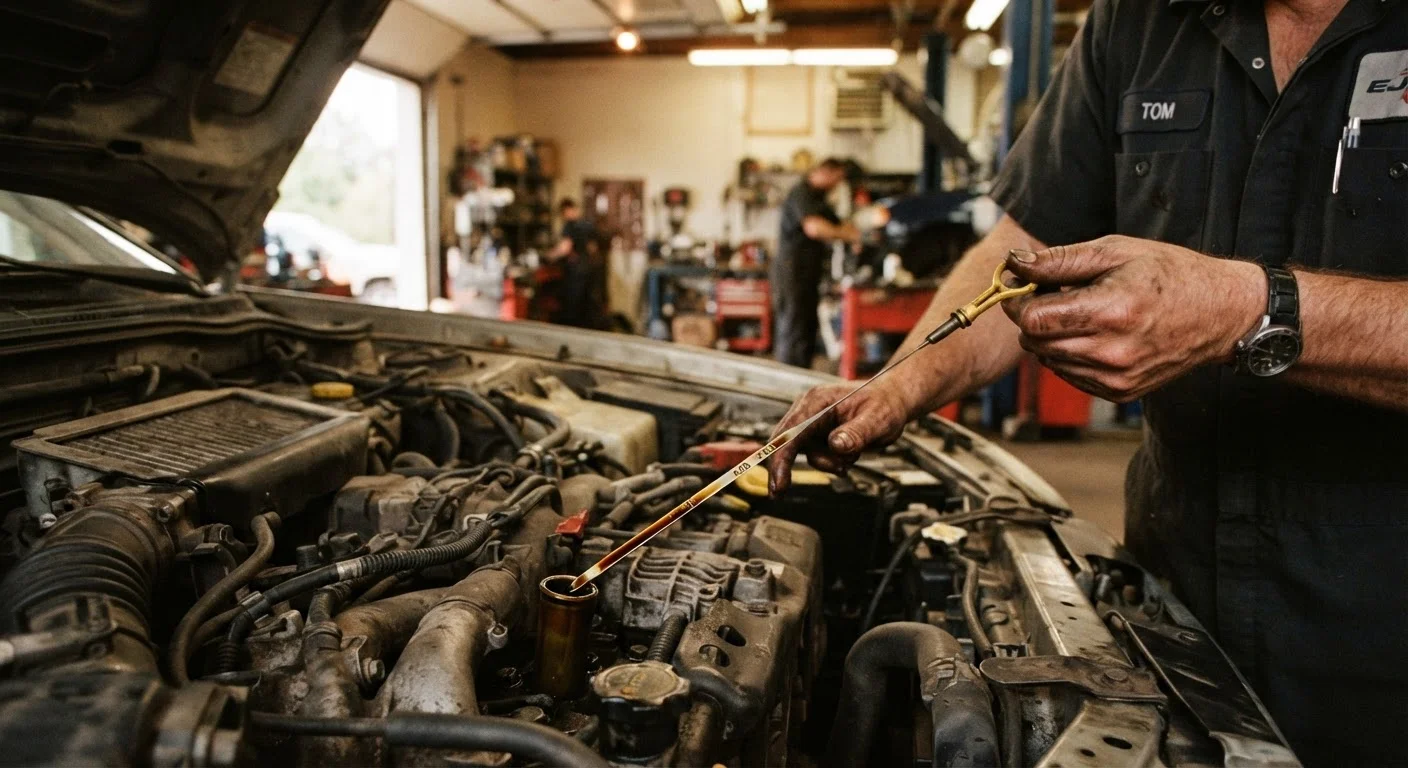
Engine Oil is the most familiar fluid - and for good reason. It lubricates moving metal parts, reduces friction, and helps dissipate heat. Check it monthly with the dipstick: the oil should sit between the two marks and look amber or light brown. Black, gritty oil is overdue for a change. How often you change it depends on your vehicle and the type of oil used - your owner's manual is the most reliable source. If you've heard the old 3,000-mile rule, it's worth knowing that it no longer applies to most modern vehicles.
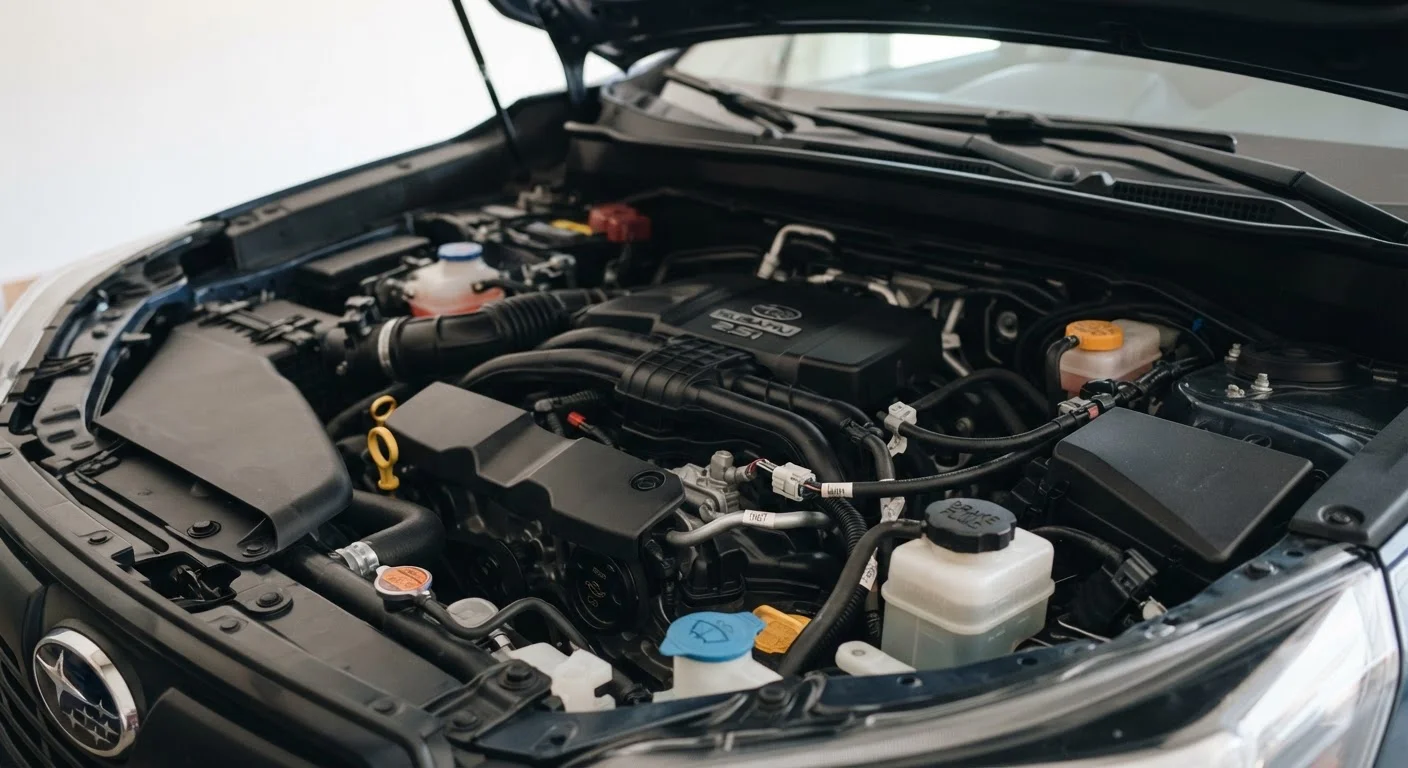
Coolant (Antifreeze) keeps your engine from overheating in summer and freezing in winter. Most vehicles have a translucent reservoir near the radiator with MIN and MAX lines. Only check it when the engine is cold - opening the cap on a hot engine can cause serious burns. A low coolant level or discolored fluid (it should be bright green, orange, or pink depending on type) warrants a visit to a mechanic. Coolant condition is especially important before cold weather; our winter car prep checklist covers what to check.
Brake Fluid transfers the pressure from your foot on the pedal to the brakes at each wheel. It's hygroscopic, meaning it absorbs moisture over time, which lowers its boiling point and reduces braking effectiveness. Most vehicles have a small reservoir under the hood marked with MIN and MAX levels. If it's low, that could indicate a leak or worn brake pads - both worth investigating promptly. For more on brake system signals, see what your brakes are trying to tell you.
Power Steering Fluid (on vehicles without electric steering) makes turning the wheel feel effortless. A whining noise when you turn is often an early sign the level is low. Check the reservoir - typically labeled with a steering wheel icon - and top it off with the type specified in your owner's manual. Electric power steering systems don't use this fluid at all.
Transmission Fluid lubricates the gears and keeps shifting smooth. Automatic transmissions have a dipstick on many older vehicles; many newer cars require a shop to check it. Transmission fluid should be pinkish-red and not smell burnt. Rough or delayed shifts are a warning sign worth taking seriously.
Windshield Washer Fluid is the one fluid with no mechanical consequence - but running out at the wrong moment is a real safety hazard. Use a washer fluid rated for your climate, especially in winter. Plain water can freeze in the lines and damage the pump.
When to Check and When to Call a Mechanic
A good habit is to do a quick visual check of your fluid levels once a month - it takes about as long as filling up with gas. Look for anything that seems lower than the last time, any discoloration, or any fluid pooling under the car after it's been parked overnight.
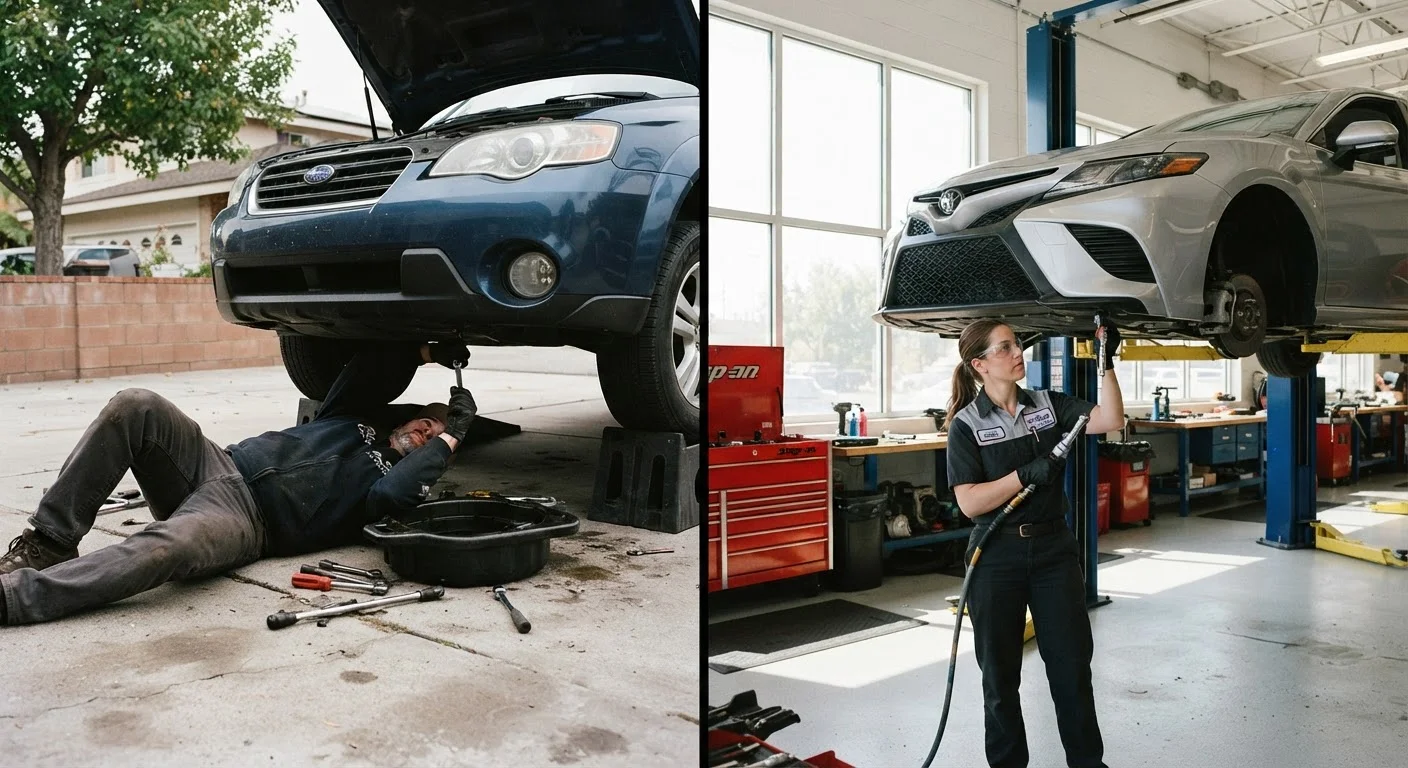
Some fluid issues resolve with a simple top-off. Others - like a sudden drop in brake fluid or coolant that keeps running low - point to a leak or a failing component. Those situations call for a qualified mechanic, not a DIY fix. If a dashboard warning light comes on related to oil pressure, coolant temperature, or the brake system, treat it as urgent. Our dashboard warning lights guide breaks down what each light means and how quickly you should respond.
Staying current on fluids is one of the simplest and most cost-effective parts of basic car ownership. You don't need to be a mechanic - you just need to know what to look for.