What Different Brake Noises Are Actually Telling You
Your brake system is built to give you audible feedback when something changes. Learning to read those sounds can save you from a costly repair - or help you avoid a dangerous situation on the road.
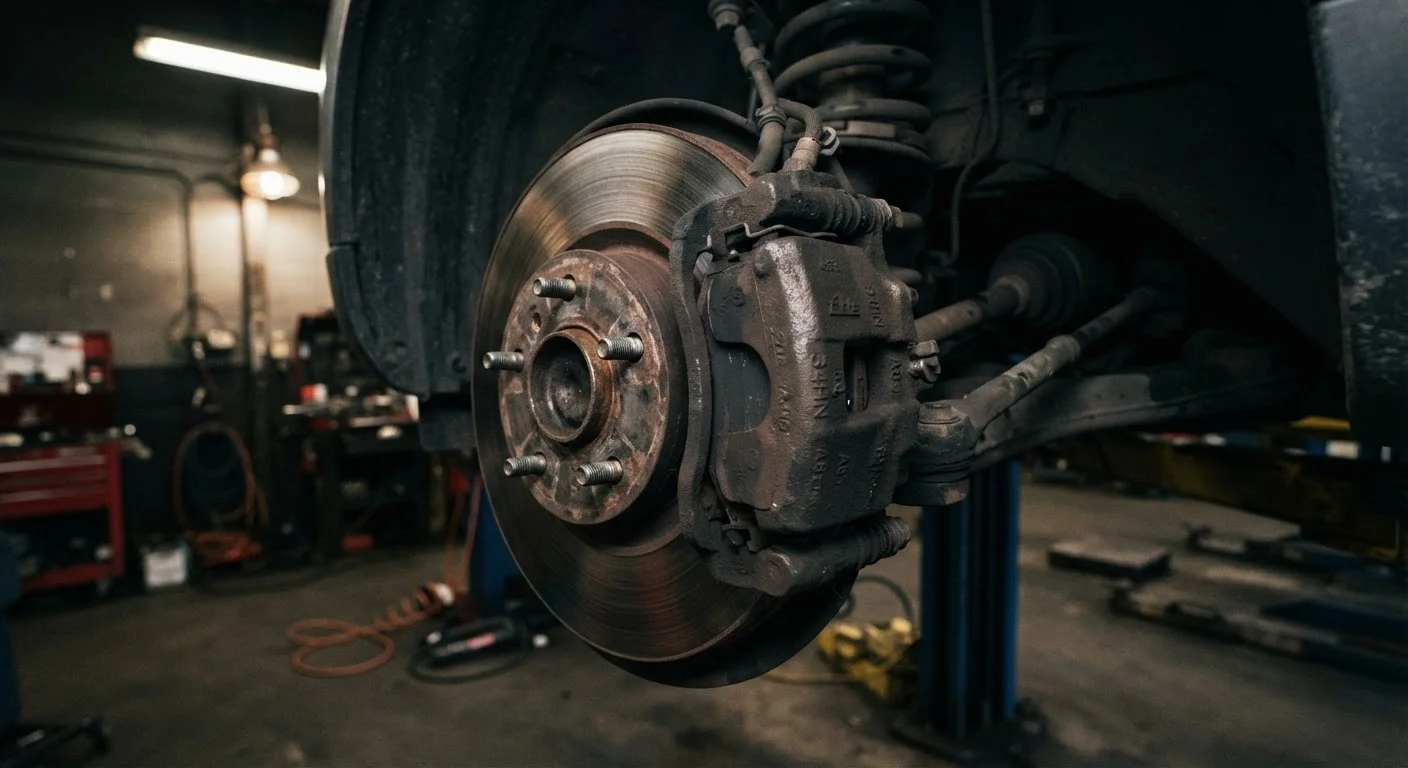
High-pitched squeal: This is the most common complaint and often the least urgent. Many brake pads include a small metal tab called a wear indicator that begins to contact the rotor when the pad gets thin. The resulting squeal is intentional - it's a built-in alert that it's time to schedule service. You likely have some time, but don't let it stretch into weeks.
Grinding or harsh scraping: This is the sound of a serious problem. When pads wear down completely, the metal backing plate contacts the rotor directly. Every stop is now damaging the rotor surface, which can turn a simple pad replacement into a much more expensive rotor replacement. If you hear grinding, get an inspection promptly - this isn't a situation to monitor and wait on.
Pulsating pedal or vibration: If you feel a rhythmic pulsing through the brake pedal when stopping, the rotors may be warped or have uneven wear. Warped rotors reduce consistent contact with the pad, which can extend stopping distance. This may not make noise at all, but the physical feedback is just as important to take seriously.
Squealing only in wet weather or after overnight parking: Surface rust forms quickly on rotors when they sit exposed to moisture. A brief squeal or light grinding during the first few stops on a damp morning is usually normal and clears quickly. If it doesn't clear within a mile or two of normal driving, something else may be going on.
Do a Quick Listen Test on Your Next Drive
Pay attention to whether the noise happens only when braking or also while rolling. Noise only during braking points to the pads and rotors. Noise while rolling - even without braking - can indicate a wheel bearing issue, which is a separate concern entirely. Describing this detail to a mechanic helps them diagnose faster.
When to Pull Over - and When to Just Schedule a Visit
Not every brake noise demands that you stop the car immediately, but a few situations do. Here's a practical way to think about urgency:
- Schedule service soon (within days): Consistent high-pitched squeal with no other symptoms, especially if it's been happening for a week or more.
- Get it inspected this week: Squealing accompanied by a soft or spongy brake pedal, or any noticeable increase in stopping distance. A spongy pedal can indicate a brake fluid issue - see our guide to brake fluid and other car fluids for more on what to watch for.
- Stop driving and get it looked at today: Grinding or metal-on-metal sound, a pulling sensation to one side when braking, or a brake warning light on the dashboard. For help reading dashboard alerts, check our article on dashboard warning lights and what they mean.
As a general rule: if your braking feels different from normal - slower, less responsive, or uneven - that's a safety concern that shouldn't be deferred.
The Cost of Waiting (and How to Avoid It)
Brake repairs follow a predictable pattern: the longer you wait, the more you pay. A brake pad replacement is one of the more routine and affordable services on any car. Waiting until the pads are completely gone often means replacing the rotors too, which can cost several times more.
If budget is a concern, it's worth understanding which maintenance items carry the heaviest consequences when skipped. Our article on car maintenance when money is tight covers how to prioritize what actually matters. Brakes consistently rank near the top of that list - not because mechanics say so, but because stopping ability is directly tied to your safety and everyone else's on the road.
~$250-$500
Typical brake pad replacement cost per axle
Rotor replacement can add several hundred dollars more per axle, which is why catching worn pads early matters.
25,000-65,000 mi
Typical brake pad lifespan range
Driving style, vehicle weight, and pad material all affect how quickly pads wear - city driving is harder on brakes than highway miles.
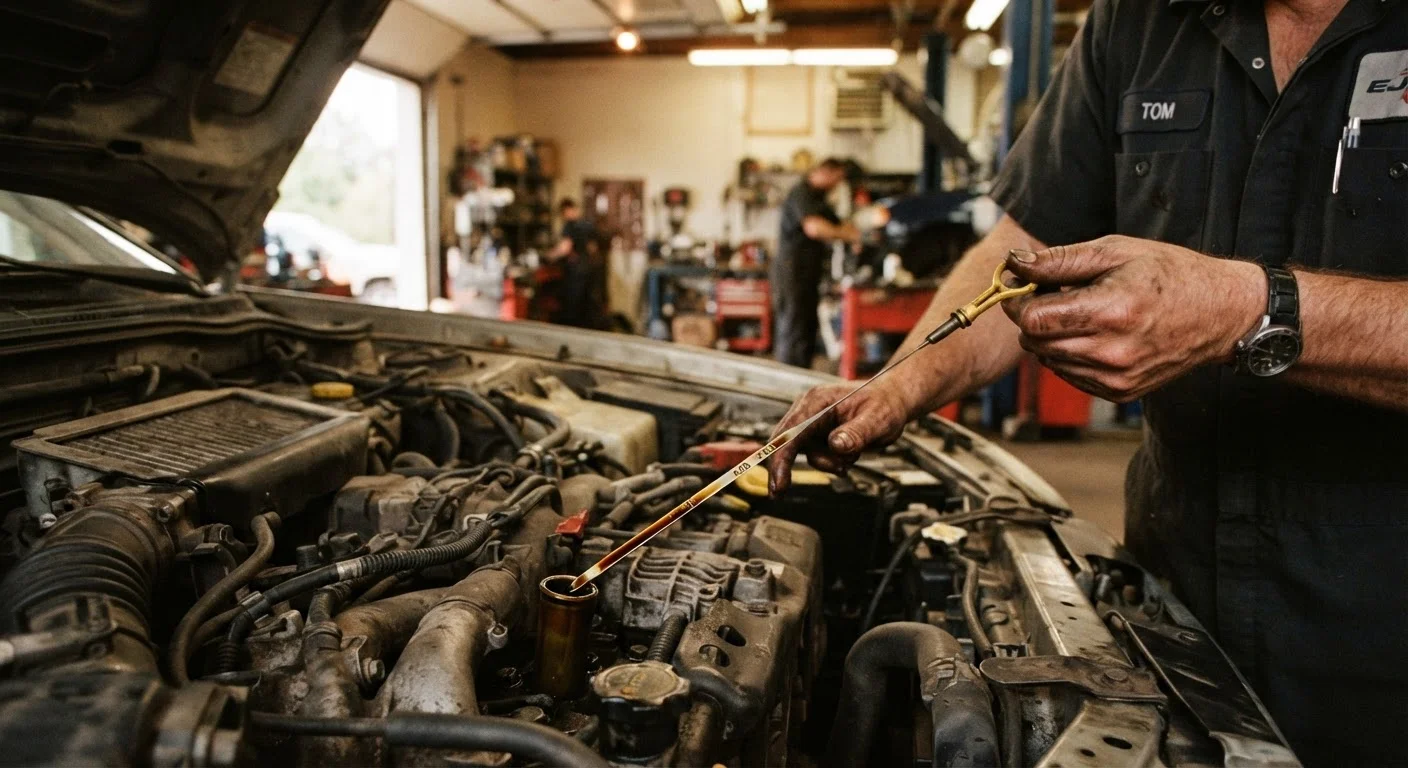
One practical step: ask for a brake inspection during your next oil change. Many shops include it at no extra charge. Knowing your pad thickness gives you a realistic window to plan and budget for service before it becomes urgent.
This article is for general informational purposes only. Brake system condition varies by vehicle, driving habits, and environment. Always consult a qualified mechanic for diagnosis and repair of brake-related concerns.