Why Deferring Maintenance Almost Always Costs More
When money is tight, skipping a scheduled oil change or putting off a tire rotation can feel like a reasonable call. But most deferred maintenance follows a predictable pattern: what starts as a $50 service becomes a $500 repair if ignored long enough. The mechanical consequences of skipping routine upkeep tend to compound quickly, and by the time a warning light appears, the damage is already done.
The goal isn't to maintain your car perfectly - it's to protect yourself from the repairs that are genuinely expensive. That means knowing which tasks are non-negotiable, which can be safely stretched, and which upsells you can decline without consequence.
The Maintenance Tasks Worth Prioritizing No Matter What
Not everything in your car's service schedule carries the same weight. Some items protect your engine, your safety, or both - and cutting corners on them tends to backfire quickly.
For a closer look at what each service interval actually covers, your car's maintenance schedule explained breaks it down in plain language.
Quick Actions You Can Take Right Now
You don't need a full service appointment to catch most problems early. Several checks cost nothing but a few minutes of your time and can prevent failures that sideline your car entirely.
Separating Necessary Services from Upsells
One of the most useful things a budget-conscious driver can do is learn the difference between what their car actually needs and what a service writer recommends to increase a shop's revenue. Many commonly sold add-ons - fuel injector flushes, transmission flushes at unusually low mileage, throttle body cleaning - may not be due based on your vehicle's actual schedule.
Several widely repeated car care rules are outdated or just wrong, and understanding them can save you real money. Always cross-reference any recommended service against your owner's manual before agreeing to it. If a service isn't listed there - or isn't due yet - it's reasonable to ask why it's being recommended.
Keeping your own records of what's been done also prevents you from paying for duplicate services. A well-documented service history pays off in more ways than one, including at resale time.
Making Maintenance Fit a Tight Budget
Spreading out costs strategically is more sustainable than skipping services entirely and hoping nothing breaks. A few approaches that work for many drivers:
- Use manufacturer maintenance intervals, not the 3,000-mile rule. Most modern vehicles are designed for oil changes every 5,000 to 7,500 miles or more, depending on the oil type. Changing it more often than necessary wastes money without benefiting your engine.
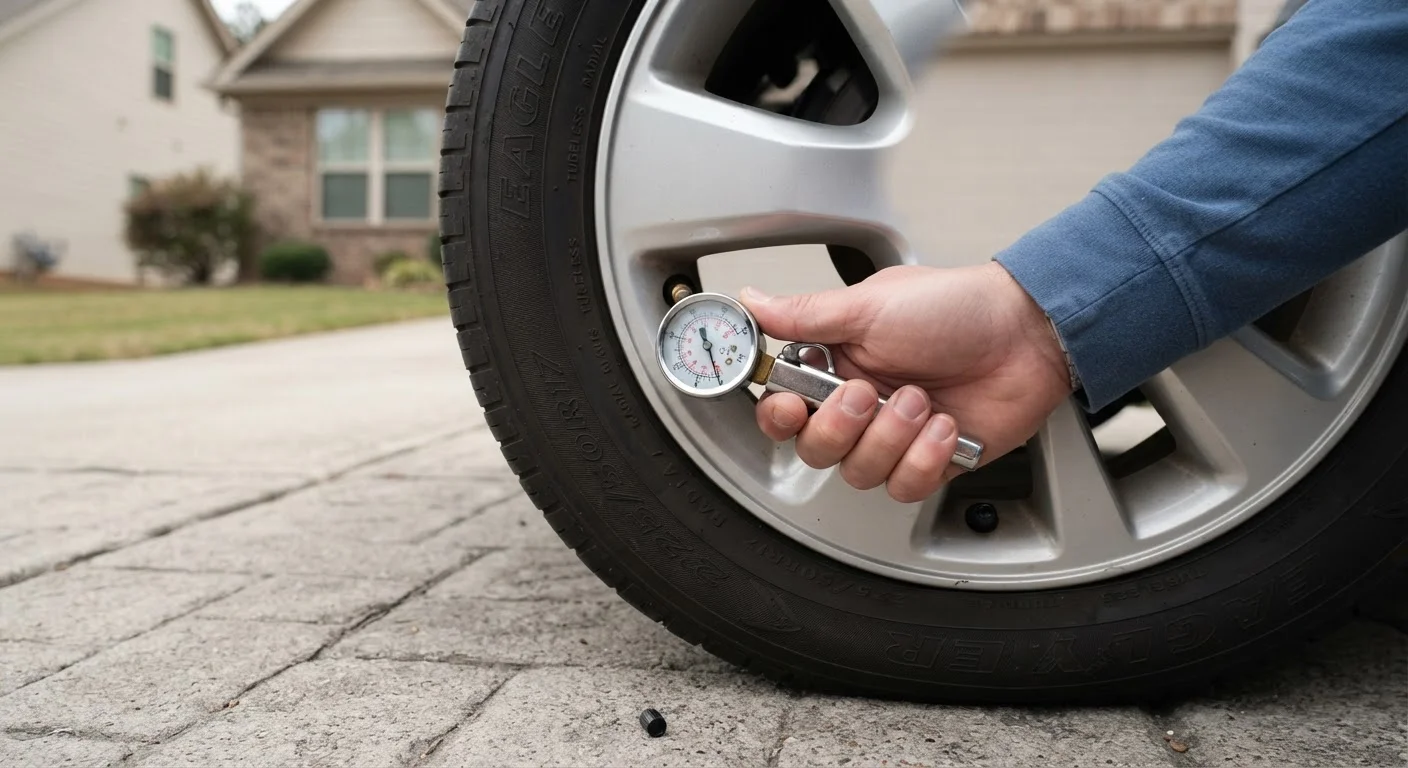
- Handle simple checks yourself. Checking tire pressure, topping off windshield washer fluid, and inspecting wiper blades are tasks that require no tools and no mechanical knowledge.
- Address small problems promptly. A nail in a tire can often be patched for under $30. Ignore it and you may need a full replacement. The same logic applies to minor leaks and worn belts.
- Build a small maintenance fund. Setting aside even $20 to $30 a month specifically for car upkeep gives you a cushion that makes it easier to say yes to a needed service before it becomes urgent. For broader context on ownership costs, the Car Ownership hub covers registrations, insurance, and expenses in one place.
This article is for general informational purposes only. Consult a qualified mechanic for advice specific to your vehicle's condition and needs.