Why Deferred Maintenance Always Costs More
Routine maintenance is, at its core, a cost-management strategy. Every scheduled service exists because a small, inexpensive action prevents a larger, expensive failure. When you defer that action - even by a few months - you're not saving money. You're relocating the cost into the future and adding interest in the form of compounding damage.
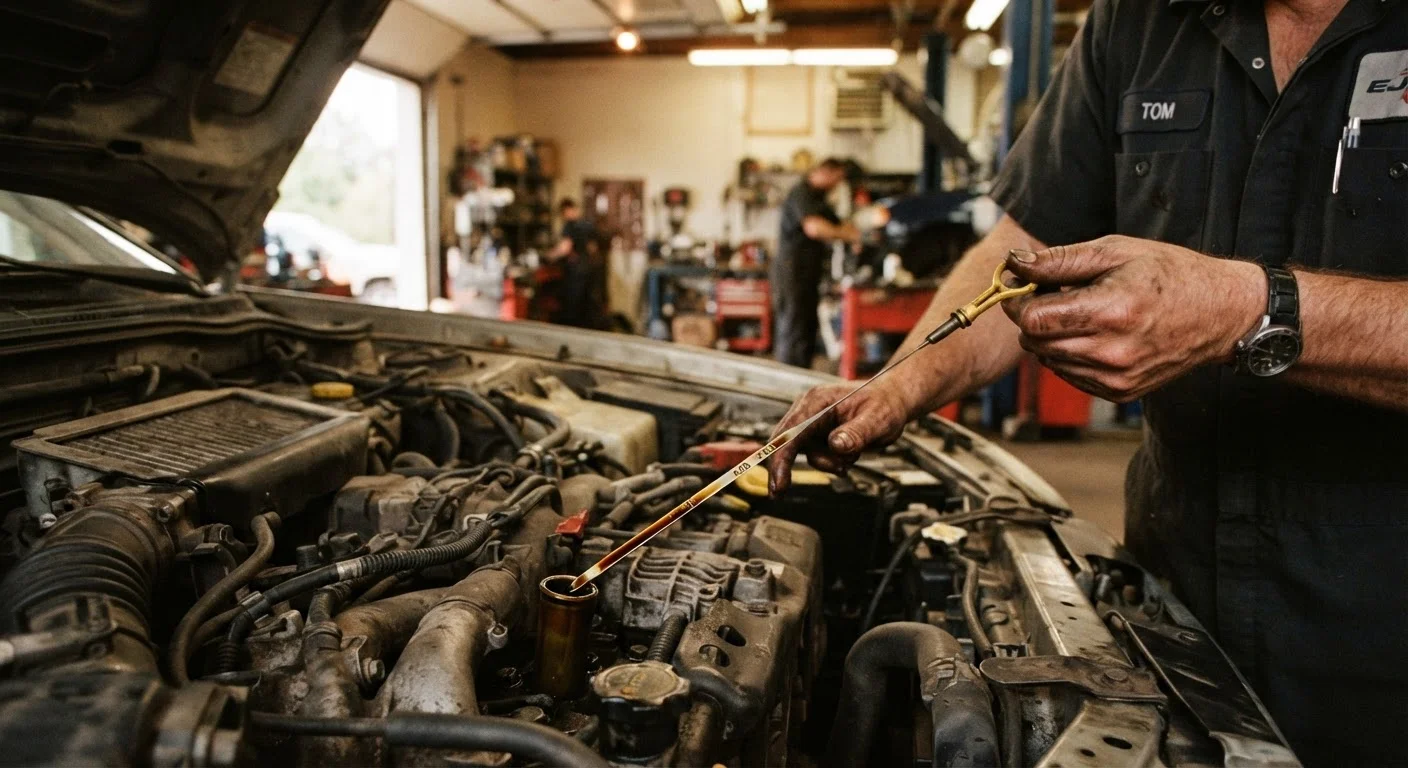
Consider oil changes. Fresh oil lubricates engine components and carries away heat and contaminants. As it ages and breaks down, it does all of those jobs less effectively. Gunk accumulates in passages, metal wears faster, and heat builds where it shouldn't. The engine doesn't announce this process. It simply degrades, quietly, until something fails.
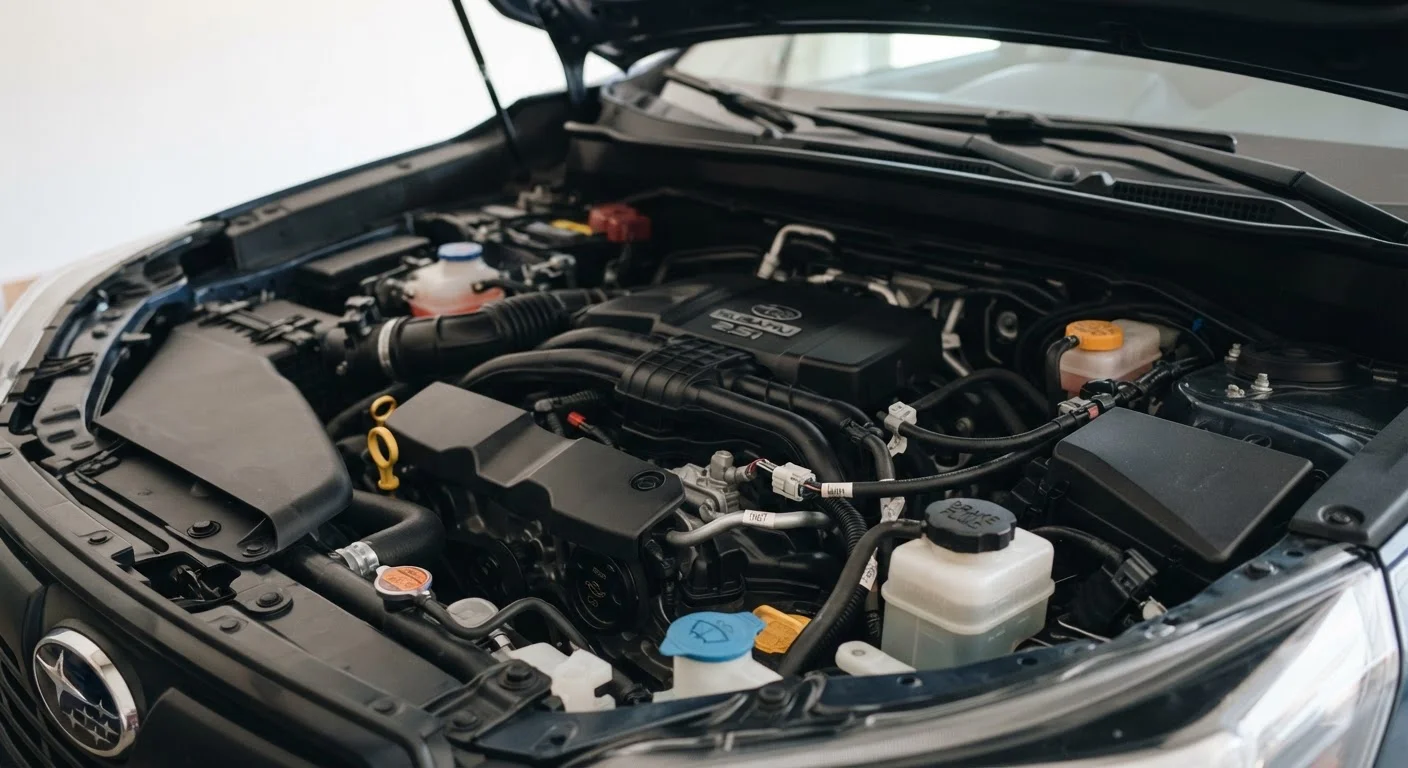
The same logic applies to tires, brakes, fluids, and filters. Each one is a system protecting another system. When one degrades unchecked, it typically damages what it was protecting - and that's where repair bills become serious. For a practical overview of what each service milestone actually involves, see Your Car's Maintenance Schedule, Explained.
$1,986
Average annual car repair cost per vehicle
According to AAA's annual survey data, American drivers pay nearly $2,000 per year on average in unplanned vehicle repairs - many of which are linked to deferred maintenance.
~$7,000+
Typical engine replacement or rebuild cost
Engine repair or replacement due to oil starvation or overheating can easily exceed $7,000 at an independent shop, compared to roughly $50-$100 for a routine oil change.
26%
Vehicles with improperly inflated tires
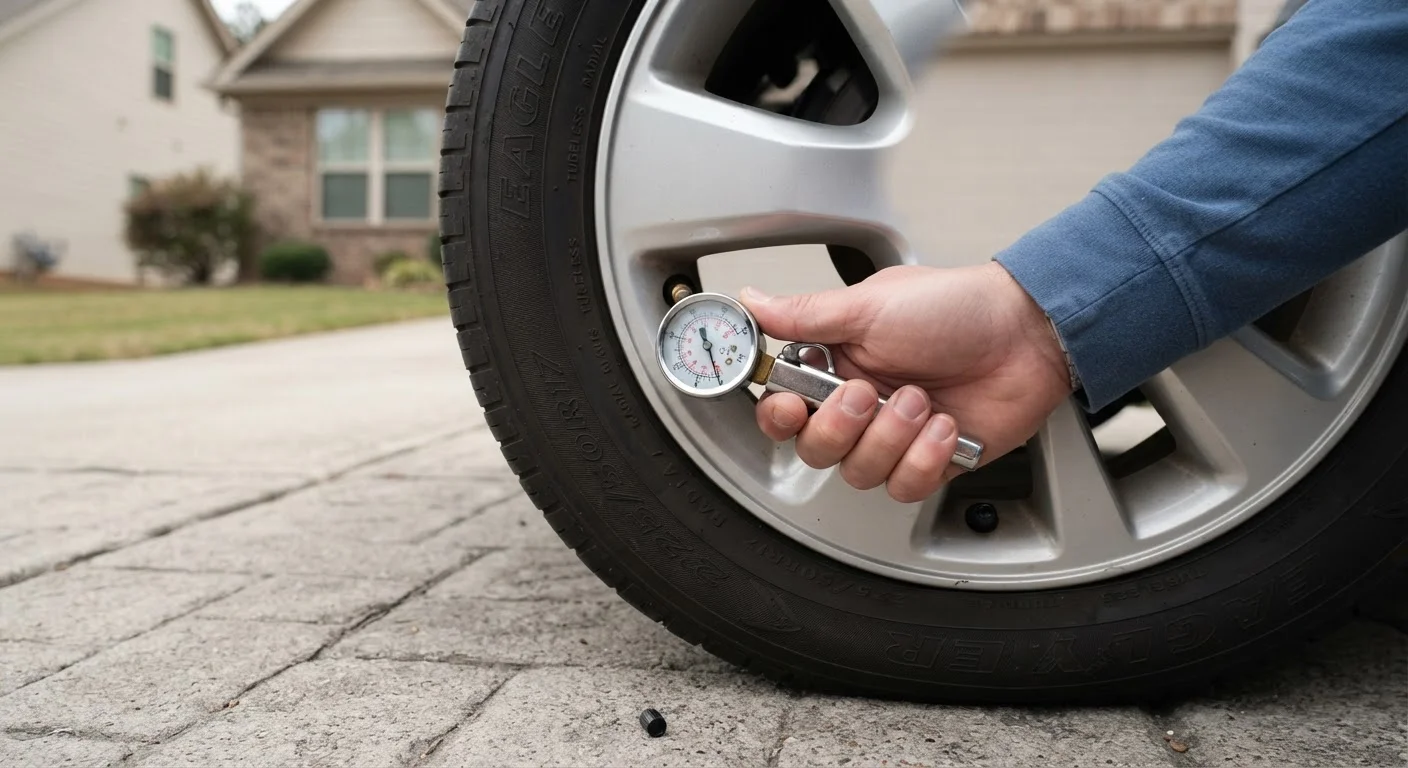
The National Highway Traffic Safety Administration (NHTSA) has reported that a significant share of vehicles on U.S. roads have at least one underinflated tire at any given time.
The Most Common Maintenance Mistakes - and How to Avoid Them
Most drivers don't intentionally neglect their vehicles. The problem is usually one of visibility: maintenance intervals are easy to lose track of, symptoms are subtle until they're severe, and the upfront cost of a service feels easier to delay than to pay today. The mistakes below follow a predictable pattern - and they're all avoidable.
Skipping or significantly delaying oil and filter changes.
Why it happens: Oil changes feel like an unnecessary expense when nothing seems wrong, so drivers push the interval further and further.
Ignoring tire rotation and pressure checks until a tire fails.
Why it happens: Tires wear gradually and unevenly, so the problem is invisible until a blowout or a sudden flat forces attention.
Postponing brake inspections until brakes are grinding or squealing.
Why it happens: Brakes don't seem urgent until there's an obvious symptom, and drivers assume they'll notice in time.
Neglecting coolant, transmission, and other fluid checks.
Why it happens: Most drivers think only about oil. Other fluids are out of sight and rarely mentioned at quick-lube stops.
Replacing air filters and spark plugs far later than recommended.
Why it happens: These components fail gradually, so drivers rarely notice a performance drop until it becomes pronounced.
If budget is a real constraint, it's still worth understanding which services carry the most risk when skipped. Keeping Up with Car Maintenance When Money Is Tight walks through how to prioritize when you can't do everything at once.
The Hidden Costs Beyond the Repair Bill
The financial impact of ignored maintenance doesn't stop at the repair shop. A vehicle with a documented service history commands a higher resale or trade-in value than one without records. Lenders and private buyers alike treat maintenance history as a signal of overall vehicle condition. Keeping Maintenance Records: Why It Matters More Than Most Owners Realize explains what to track and why it pays off at resale time.
There's also the safety dimension. Worn brakes, underinflated tires, and degraded steering fluid don't just cost money when they fail - they create genuine road hazards. Many of the conditions that cause accidents involve mechanical problems that routine maintenance would have caught. Staying current on your vehicle's upkeep is part of being a responsible driver, not just a financially savvy one.
Engine Damage From Low Oil Is Often Irreversible
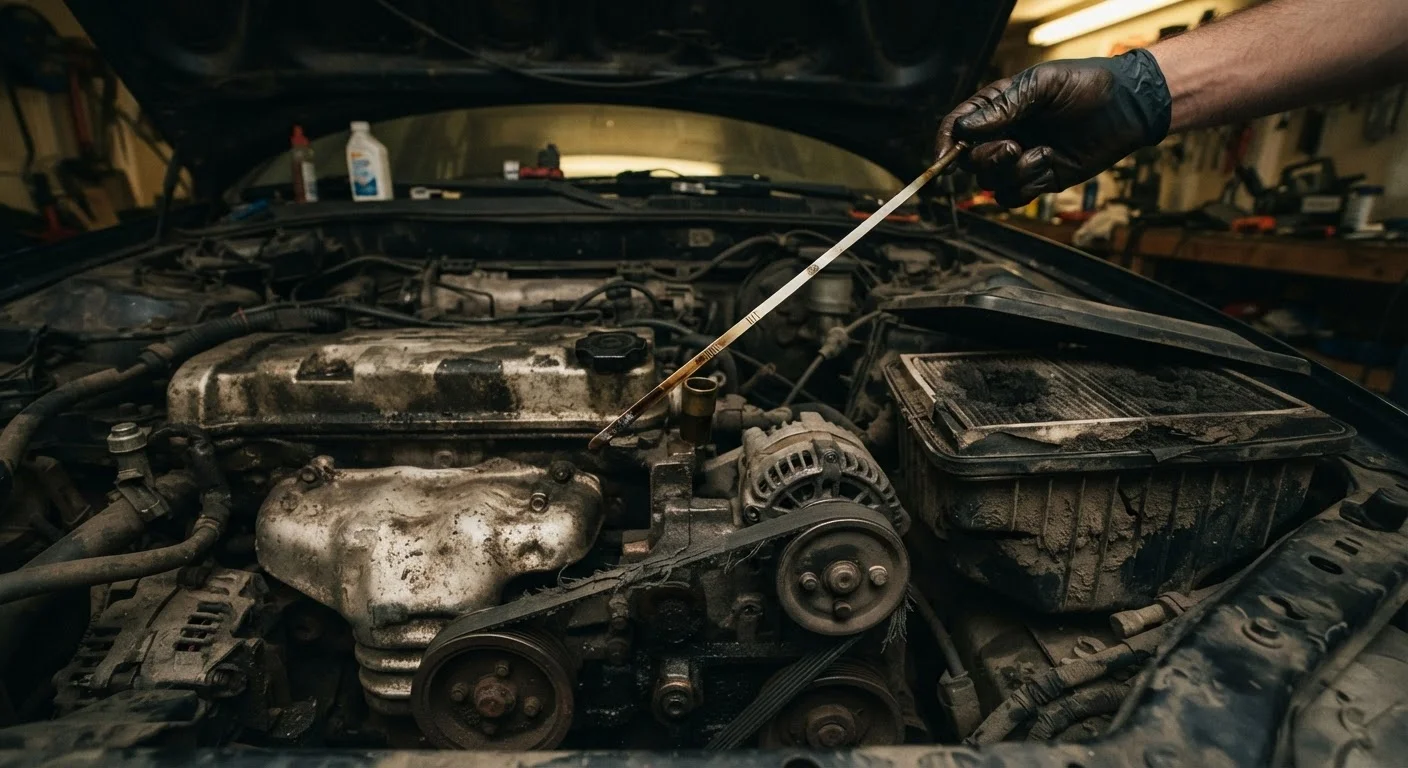
When an engine runs with severely degraded or insufficient oil, metal components grind against each other without proper lubrication. This can score cylinder walls, destroy bearings, and seize the engine entirely - damage that often costs more to repair than the vehicle is worth. No warning light is a guarantee you have enough time. Check your oil level regularly between service intervals.
Finally, some maintenance gaps can void warranty coverage or complicate insurance claims. Reviewing your coverage and maintenance obligations annually is a smart habit. The Annual Car Ownership Audit is a useful framework for doing exactly that.