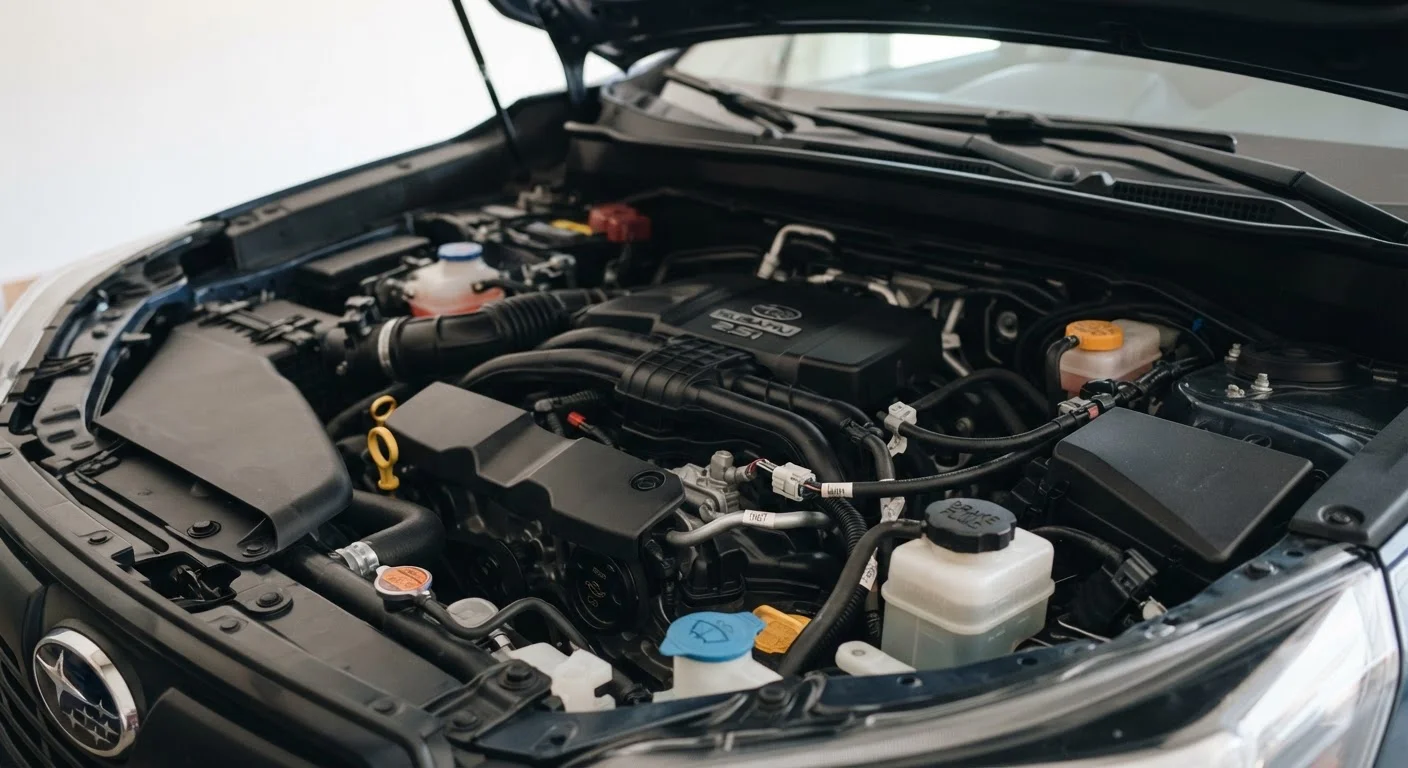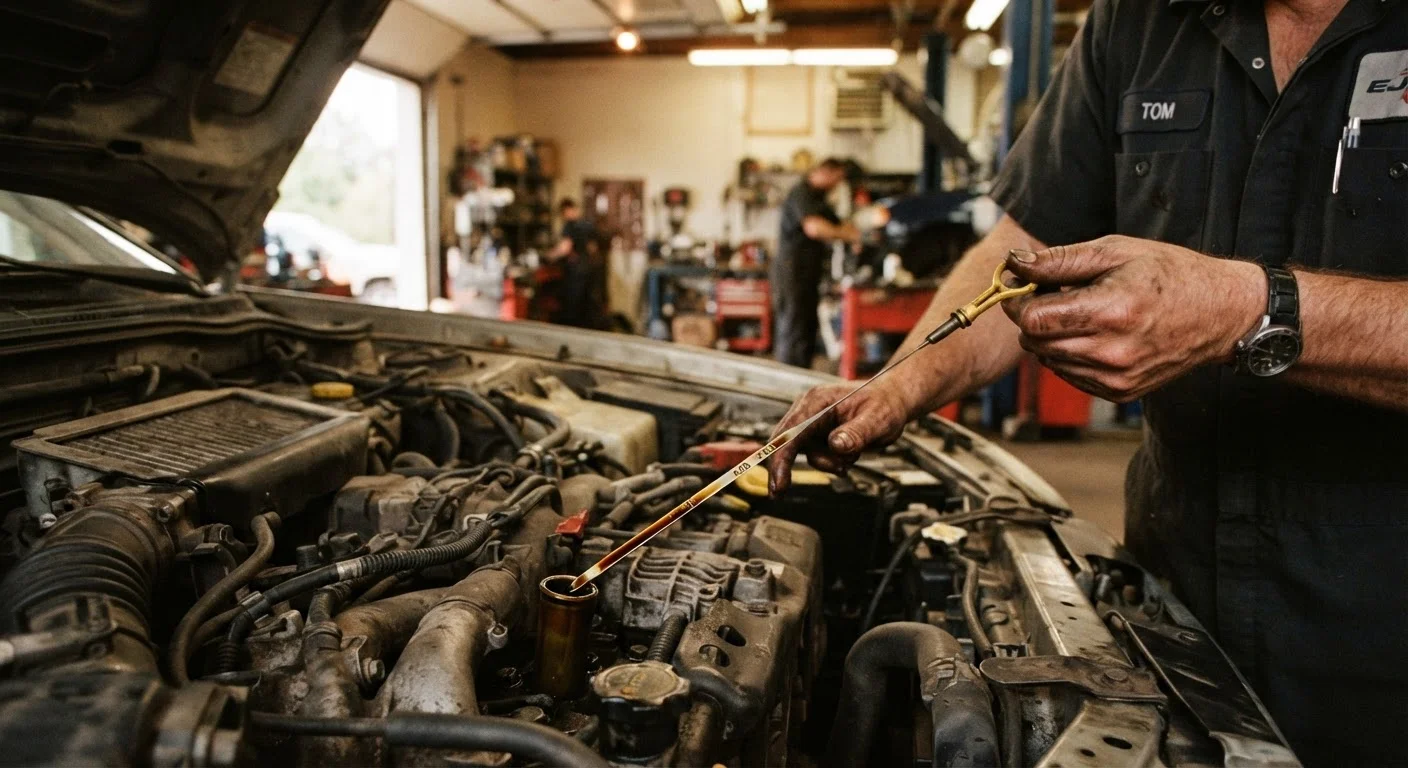
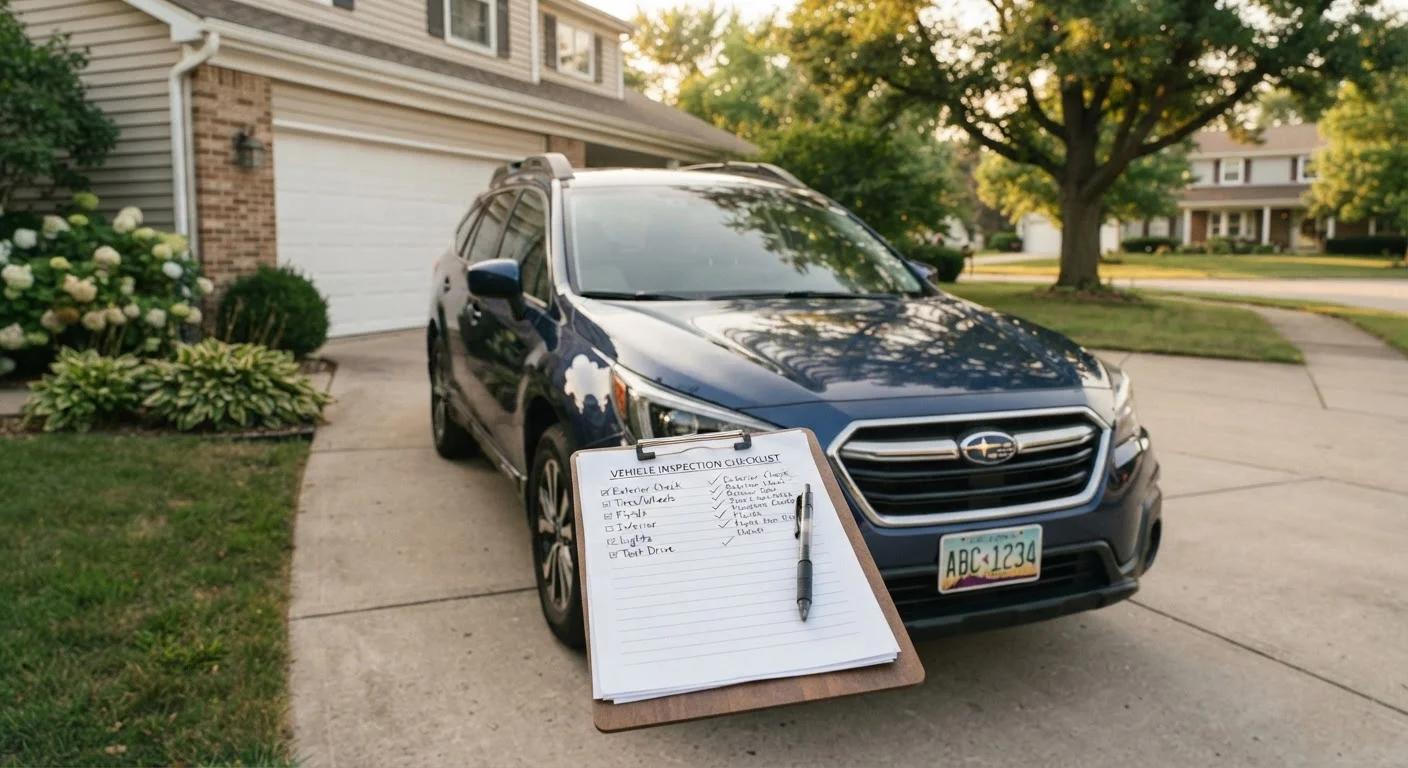
Why Do an Annual Car Audit?
Most drivers think about their car when something goes wrong. A flat tire, a warning light, a registration notice that arrives two days before it expires. Reacting to problems is expensive and stressful - a yearly audit flips that around.
Setting aside 30 to 60 minutes once a year to review the financial, legal, and mechanical side of your vehicle puts you back in control. You'll catch lapses in coverage, overdue maintenance, and paperwork gaps before they cost you money or create legal headaches.
Think of it like a financial checkup, but for one of your biggest assets. According to the Bureau of Transportation Statistics, the average American household spends thousands of dollars annually on vehicle ownership. A thorough annual review helps make sure you're not spending more than you need to - and that you're protected when it counts. For a broader look at what owning a car actually costs, see what drivers actually spend each year.
What You'll Need Before You Start
Gather these items before working through the checklist. Having everything in one place makes the audit faster and more accurate.
Current auto insurance declarations page
Shows your coverage types, limits, deductibles, and policy expiration date so you can review what you actually have.
Vehicle registration card and renewal notice
Confirms your registration expiration date and any fees or emissions requirements due.
Owner's manual
Contains the manufacturer's recommended maintenance schedule for your specific vehicle.
Past maintenance records or service receipts
Lets you verify which services have been completed and identify anything overdue.
Loan or lease statements
Helps you verify your payoff balance, remaining term, and any mileage or condition obligations.
Tire pressure gauge
Used during the audit to check actual tire pressure against the placard value on your door jamb.
The Annual Audit Checklist
Work through each category below. Items marked must are non-negotiable - skipping them could lead to legal or safety consequences. Items marked should are strongly recommended for most owners.
Insurance Review
Registration and Legal Requirements
Maintenance Schedule Check
Financial and Loan Status
Don't Skip State-Specific Requirements
Registration, emissions testing, and safety inspection rules vary significantly from state to state - and in some cases, county to county. Driving with an expired registration or a failed inspection can result in fines, vehicle impoundment, or complications with your insurance claim if you're in an accident. Check your state's DMV website directly for current requirements rather than relying on what applied in a previous state or what a neighbor told you. For a clear overview of how registration works across the U.S., see how vehicle registration works.
Keeping a Record of Your Audit
Once you've completed your annual review, write down what you found and what you changed. A simple dated note in a folder - physical or digital - is enough. Record any policies you updated, services you scheduled, and items you resolved.
This documentation matters more than most owners realize. A well-maintained paper trail supports warranty claims, helps when selling the vehicle, and gives your mechanic useful context. Learn more about why keeping maintenance records pays off.
Set a calendar reminder for the same time next year. Tying it to a predictable event - your registration renewal month, the start of a new year, or your vehicle's birthday - makes it easier to stay consistent.
For ongoing maintenance guidance beyond the annual audit, the Car Maintenance hub covers everything from fluid checks to tire care in one place.