Why the Sticker Price Is Just the Start
Most buyers focus on the monthly payment or the negotiated sale price when sizing up a car purchase. But neither number captures what you'll actually spend over the years you own the vehicle. When you add up depreciation, fuel, insurance, maintenance, taxes, and financing costs, the real annual expense of owning a car is substantially higher than most people expect.
According to AAA's annual Your Driving Costs study, the average American spends well over $10,000 per year to own and operate a new vehicle - a figure that surprises many first-time buyers. Even used-car owners face four-to-five-figure annual costs once every line item is accounted for.
Understanding these costs upfront is how you avoid the financial strain that catches so many owners off guard. See our guide to financial pitfalls for new car owners for a closer look at where budgets most commonly break down.
Depreciation: The Biggest Cost Most Drivers Ignore
Depreciation - the loss of a vehicle's value over time - is typically the largest single cost of car ownership, yet it rarely appears on any monthly statement. A new car can lose roughly 15-25% of its value in the first year alone, and around 50% or more over five years, though rates vary widely by make, model, and market conditions.
Because depreciation doesn't require a check or a payment, it's easy to overlook. But when you sell or trade in the vehicle, that lost value becomes very real. A car purchased for $35,000 that's worth $18,000 five years later has cost its owner $17,000 in depreciation alone - before a single oil change or tank of gas.
Before shopping, research the 5-year depreciation curve for any vehicle you're considering - not just the purchase price. A vehicle that costs $5,000 less upfront but depreciates faster may cost you more in the long run.
Depreciation is the largest cost of new vehicle ownership for most buyers, yet it's rarely factored into purchase decisions because it's invisible on a monthly basis.
Get an insurance quote for your specific vehicle - including your ZIP code and driving record - before you finalize a purchase. Insurance costs can vary by hundreds of dollars per year between similar vehicles.
Insurance premiums are highly vehicle- and location-specific. Buyers who skip this step are sometimes surprised by costs that significantly change the affordability of a vehicle.
Buying a vehicle that holds its value well - or choosing a lightly used model that has already absorbed the steepest depreciation - can meaningfully reduce this cost. If you're weighing buying against leasing, our side-by-side financial comparison of owning vs. leasing breaks down how each option handles depreciation differently.
Insurance, Fuel, and Registration
Insurance is a non-negotiable recurring cost, and it can range from several hundred to several thousand dollars per year depending on your location, driving record, vehicle type, and coverage level. Many drivers underestimate this figure, especially for newer or more expensive vehicles. For a grounded look at what actually drives your premium, see common auto insurance myths that cost drivers money.
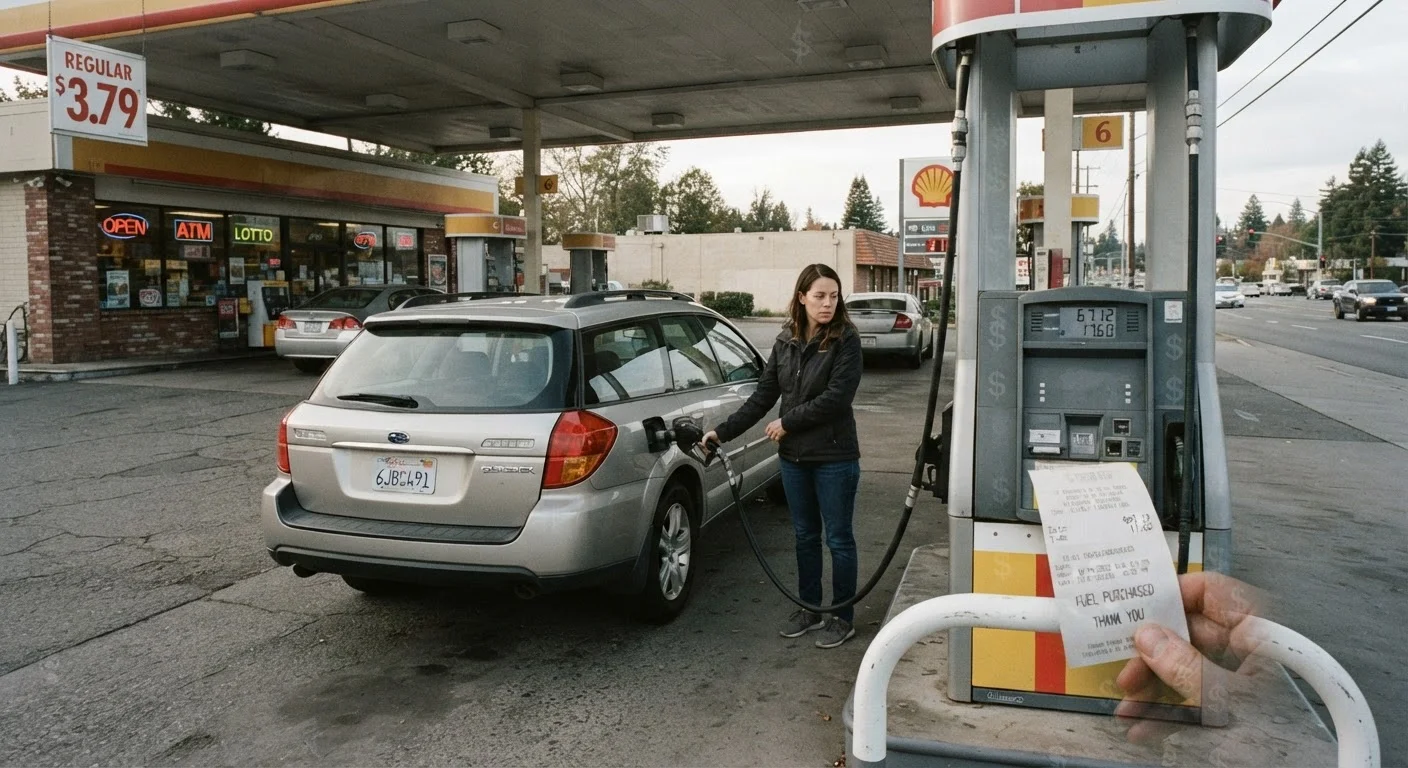
Fuel costs depend on how much you drive, your vehicle's fuel economy, and local gas prices - all of which shift over time. A driver covering 15,000 miles per year in a vehicle averaging 25 miles per gallon will use roughly 600 gallons of fuel annually. At $3.50 per gallon, that's $2,100 per year just for gas.
Registration, taxes, and fees vary by state and locality. Most drivers pay annual registration fees, and some states impose property taxes on vehicles. Title and sales taxes at the time of purchase also add to the true cost - sometimes amounting to thousands of dollars that don't show up in the sticker price.
$10,000+
Average annual cost to own and operate a new vehicle
According to AAA's annual Your Driving Costs report, which tallies depreciation, fuel, insurance, maintenance, and fees.
~20%
Typical first-year depreciation on a new car
Depreciation rates vary by make, model, and market, but new vehicles commonly lose 15-25% of value in year one.
$5,600
Estimated interest on a $30,000 auto loan at 7% over 60 months
Calculated using standard amortization; actual amounts depend on the lender, rate, and loan term.
Maintenance and Unexpected Repairs
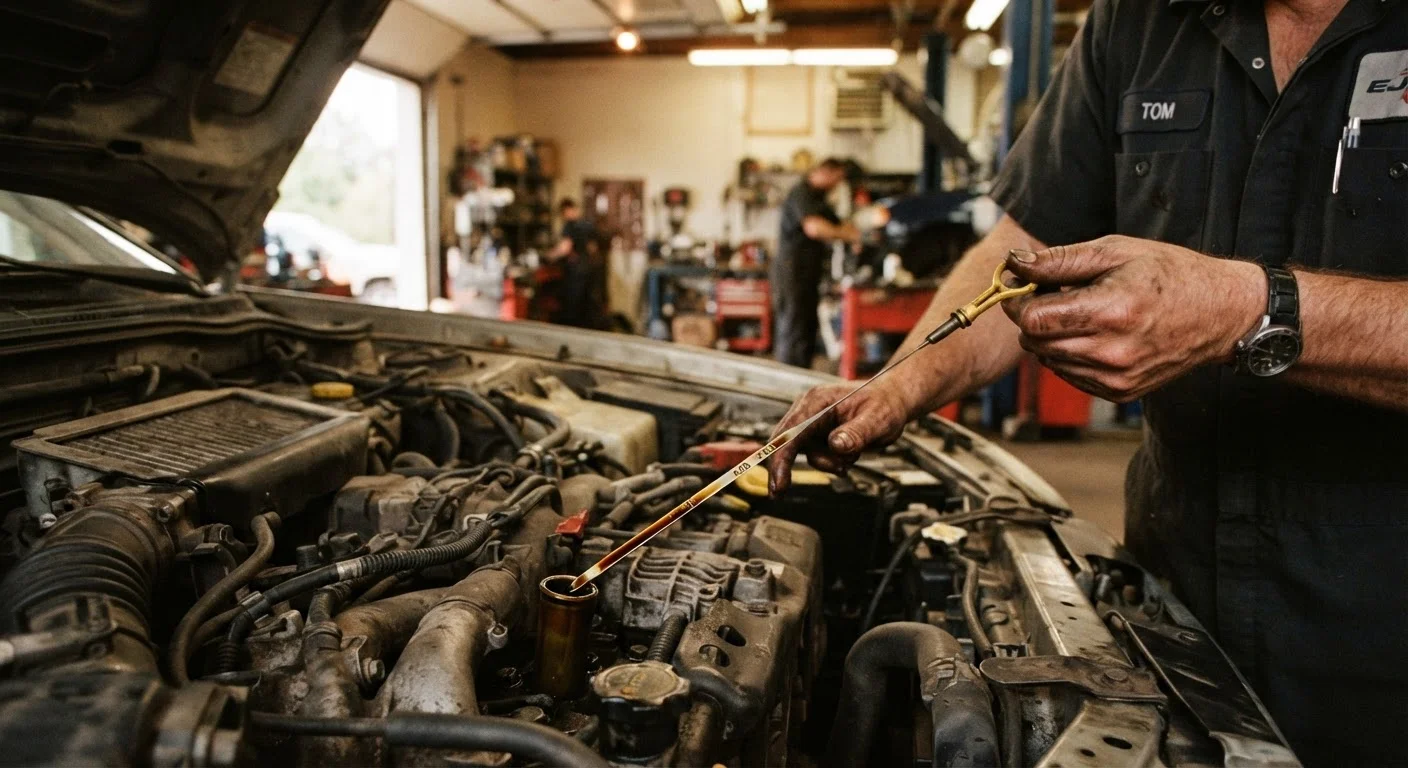
Routine maintenance - oil changes, tire rotations, brake pads, filters, and fluid top-offs - is predictable and budgetable. Depending on the vehicle and how many miles you drive, annual maintenance costs commonly fall in the $500-$1,000 range for a well-kept car.
Repairs are a different story. A transmission replacement, engine issue, or major electrical fault can cost several thousand dollars without warning. Consumer data consistently shows that many Americans would struggle to cover an unexpected $1,000 repair bill, making a dedicated car emergency fund one of the most practical financial tools an owner can have.
The car maintenance hub covers routine upkeep tasks that help prevent small issues from becoming expensive repairs. Staying on top of scheduled service is one of the most cost-effective decisions a car owner can make.
Financing Costs and Opportunity Cost
If you finance your vehicle with an auto loan, the interest you pay is an additional real cost of ownership. On a $30,000 loan at 7% interest over 60 months, you'll pay roughly $5,600 in interest over the life of the loan - money that goes entirely to the lender, not into the vehicle's value.
Even paying cash isn't cost-free in the economic sense. Money tied up in a vehicle can't be earning returns elsewhere. That's called opportunity cost, and while it's less tangible than an interest payment, it's part of the full financial picture. Our article on financing vs. paying cash walks through both sides of that decision clearly.
How to Build a Realistic Ownership Budget
The most effective approach is to list every cost category - depreciation, insurance, fuel, maintenance, registration, and financing - before you commit to a vehicle, not after. A car that fits your monthly payment may not fit your full monthly budget once insurance and fuel are added in.
A simple annual budget might look like this:
- Depreciation: Estimate by researching the vehicle's projected resale value after 1-3 years
- Insurance: Get quotes before buying, not after
- Fuel: Calculate based on your actual annual mileage and the vehicle's EPA fuel economy rating
- Maintenance: Budget $500-$1,000 per year as a baseline; adjust for vehicle age and mileage
- Registration and fees: Look up your state's rates in advance
- Loan interest: Use an amortization calculator to find total interest paid
Once a year, revisit these numbers. Coverage needs change, driving patterns shift, and costs creep up. The annual car ownership audit is a practical checklist for staying on top of every financial and administrative detail of vehicle ownership.
Owning a car is one of the largest ongoing expenses most households carry. Knowing exactly what you're paying - across every line item - is the foundation of making smart decisions about which vehicle to own, how to finance it, and when it makes sense to keep or replace it.
This article provides general financial information for educational purposes only and is not personalized financial advice. Consult a qualified financial professional for guidance specific to your situation.