How the Two Options Actually Work
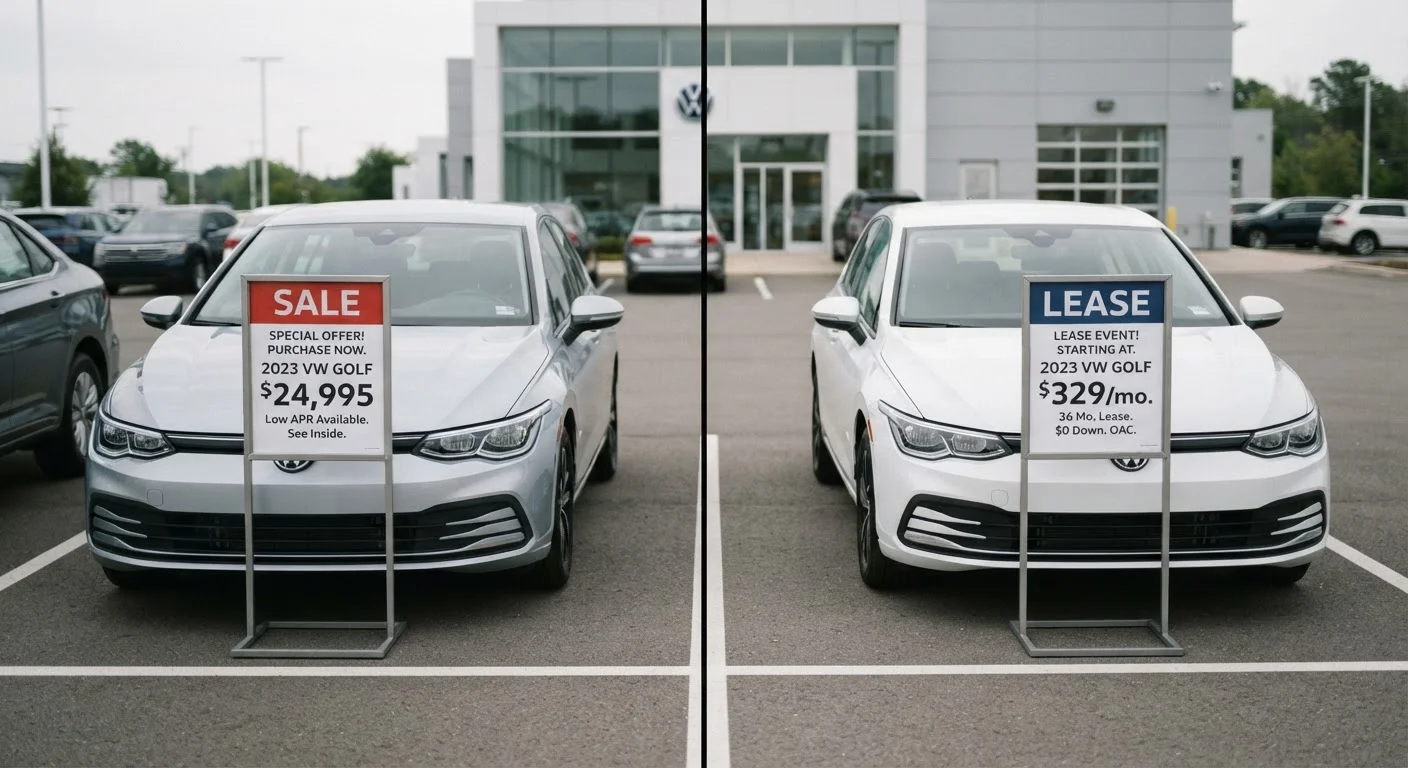
When you buy a vehicle - whether with cash or a loan - you own it outright once it's paid off. You carry the title, bear the depreciation, and can sell or keep it as long as you choose. For a deeper look at the full financial picture of ownership, see the true cost of owning a car.
When you lease, you're essentially renting the vehicle from the lender or dealer for a set term - usually 24 to 39 months. Your monthly payment covers the vehicle's projected depreciation over that period, plus interest (called the money factor) and fees. At lease-end, you return the car or exercise a purchase option at a pre-set price.
The structural difference matters: buying creates an asset you eventually own free and clear; leasing is an ongoing expense with no residual ownership unless you pay extra to buy out the vehicle. Those interested in the cash-versus-loan side of buying can explore financing vs. paying cash.
Side-by-Side Financial Comparison
The table below captures the key financial and practical differences. Numbers will vary by vehicle, lender, and your credit profile - treat these as illustrative categories rather than guaranteed figures.
| Criterion | Buying | Leasing |
|---|---|---|
| Monthly payment | Higher (full vehicle value financed) | Lower (depreciation only) |
| Ownership at end of term | Yes - title transfers to you | No - vehicle returned |
| Equity built | Yes, as loan is paid down | None |
| Mileage restrictions | None | Typically 10,000-15,000 mi/yr |
| Modification allowed | Yes | Generally not permitted |
| Warranty coverage | Expires; owner pays repairs after | Often covered entire lease term |
| Early exit flexibility | Sell anytime (cover loan balance) | Expensive early termination fees |
| Long-term cost (7+ years) | Lower overall | Higher (continuous payments) |
One factor the table can't capture: time horizon. If you lease continuously, you always have a payment. If you buy and keep the vehicle, you eventually eliminate that monthly cost - a meaningful financial difference over a decade or more.
The Equity Question
Equity is one of the sharpest distinctions between the two paths. Every loan payment moves you closer to full ownership of a depreciating asset. That asset may lose value, but it's still yours to sell, trade in, or keep driving payment-free.
Lease payments build no equity. When the lease ends, the vehicle goes back. If the car holds its value better than the lease contract projected, the dealer - not you - benefits from that gap. If you want to stay in a lease, you start a new contract and a new series of payments.
That said, equity isn't purely good news for owners. New vehicles typically lose 15-25% of their value in the first year alone, according to general industry estimates. You absorb that depreciation entirely as an owner. A lessee, in a sense, pays for a predictable slice of depreciation and hands the rest back.
Restrictions, Flexibility, and Hidden Costs
Leases come with contractual guardrails that ownership does not. The most significant:
- Mileage caps: Most leases allow 10,000-15,000 miles per year. Overage fees commonly run $0.10-$0.25 per mile. A driver who goes 5,000 miles over a three-year lease could owe $1,500-$3,750 at turn-in.
- Wear-and-tear standards: Lessees are responsible for damage beyond what the lessor defines as normal use. Scratches, tire wear, and interior stains can all generate charges.
- Early termination penalties: Exiting a lease early is expensive. Buyers who finance can sell at any time, though they must cover any remaining loan balance.
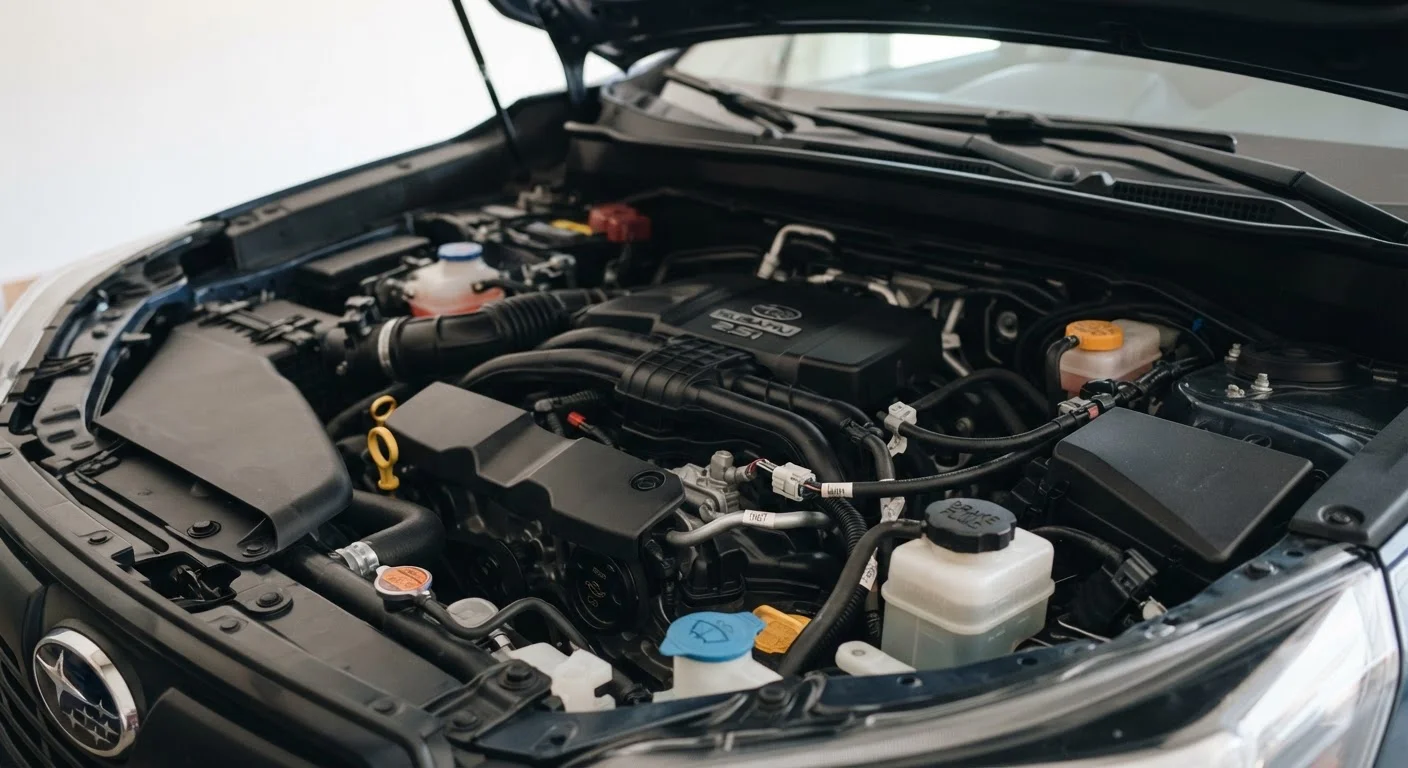
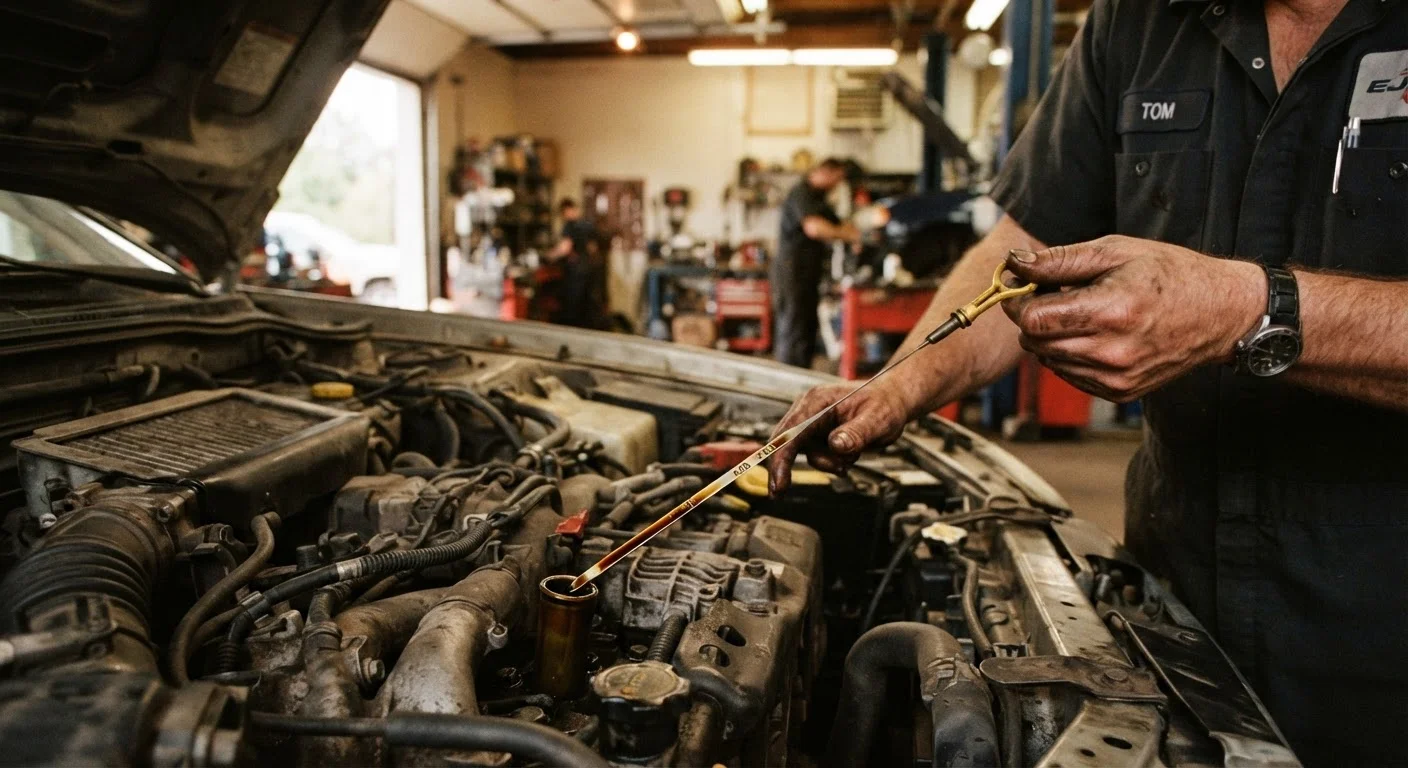
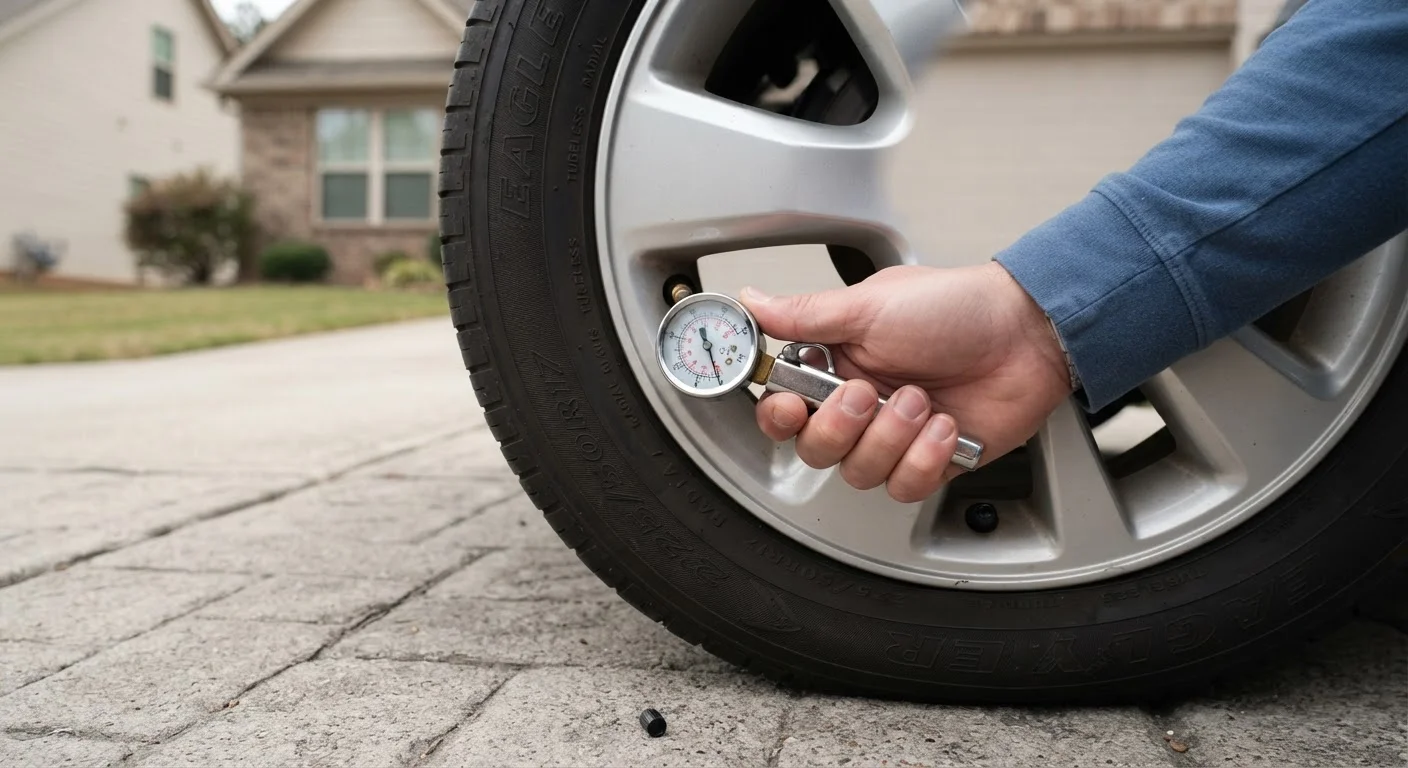
Owners face their own unpredictable costs: major repairs once the warranty expires, higher insurance exposure on older vehicles, and the cost of selling when they want to move on. Keeping up with maintenance is essential on any vehicle - see routine car maintenance guidance for a practical overview.
The rent-vs.-own dynamic in vehicles echoes a similar debate in real estate. If that parallel is useful context, renting vs. buying a home walks through a comparable framework.
Which Option Makes Sense for You?
There is no universal right answer. A few honest questions can point you in a clearer direction:
- How many miles do you drive annually? High-mileage drivers almost always fare better buying.
- How long do you typically keep a car? Short-term drivers (two to three years) often find leasing financially comparable or cheaper. Long-term drivers benefit from buying.
- How important is a predictable monthly budget? Leasing offers payment predictability and warranty coverage. Ownership can mean surprise repair bills.
- Do you want flexibility to modify or sell on your own timeline? Ownership gives you that; leasing does not.
Running actual numbers for a specific vehicle - comparing total lease cost over the term against total financed cost over the same period, including projected resale value - is the most reliable way to judge. A qualified financial adviser or auto lending specialist can help model those scenarios for your situation.
This article provides general financial information for educational purposes only and is not personalized financial or legal advice. Consult a licensed professional regarding decisions specific to your circumstances.