What Each Approach Actually Involves
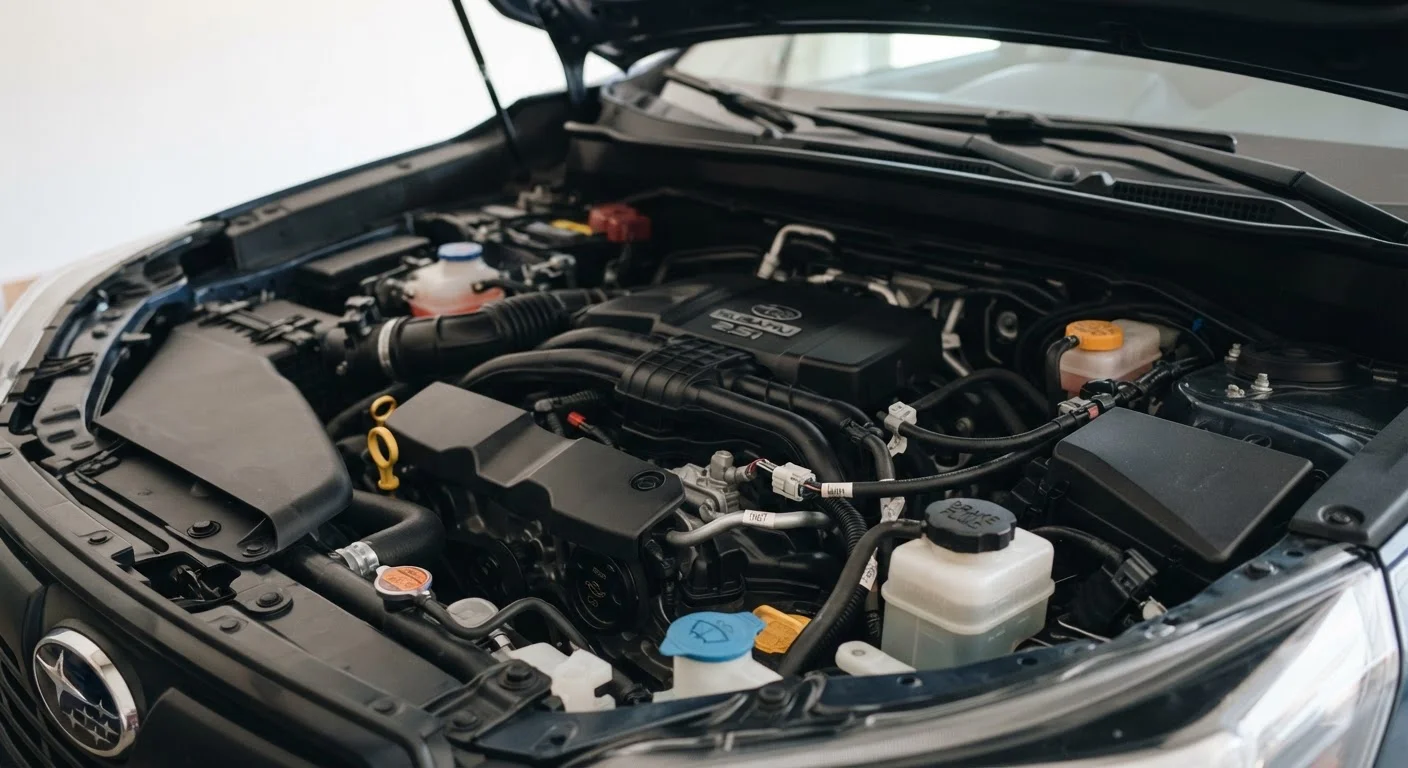
An oil change sounds simple: drain the old oil, replace the filter, add fresh oil. But the reality of each path is a bit more involved than that summary suggests.
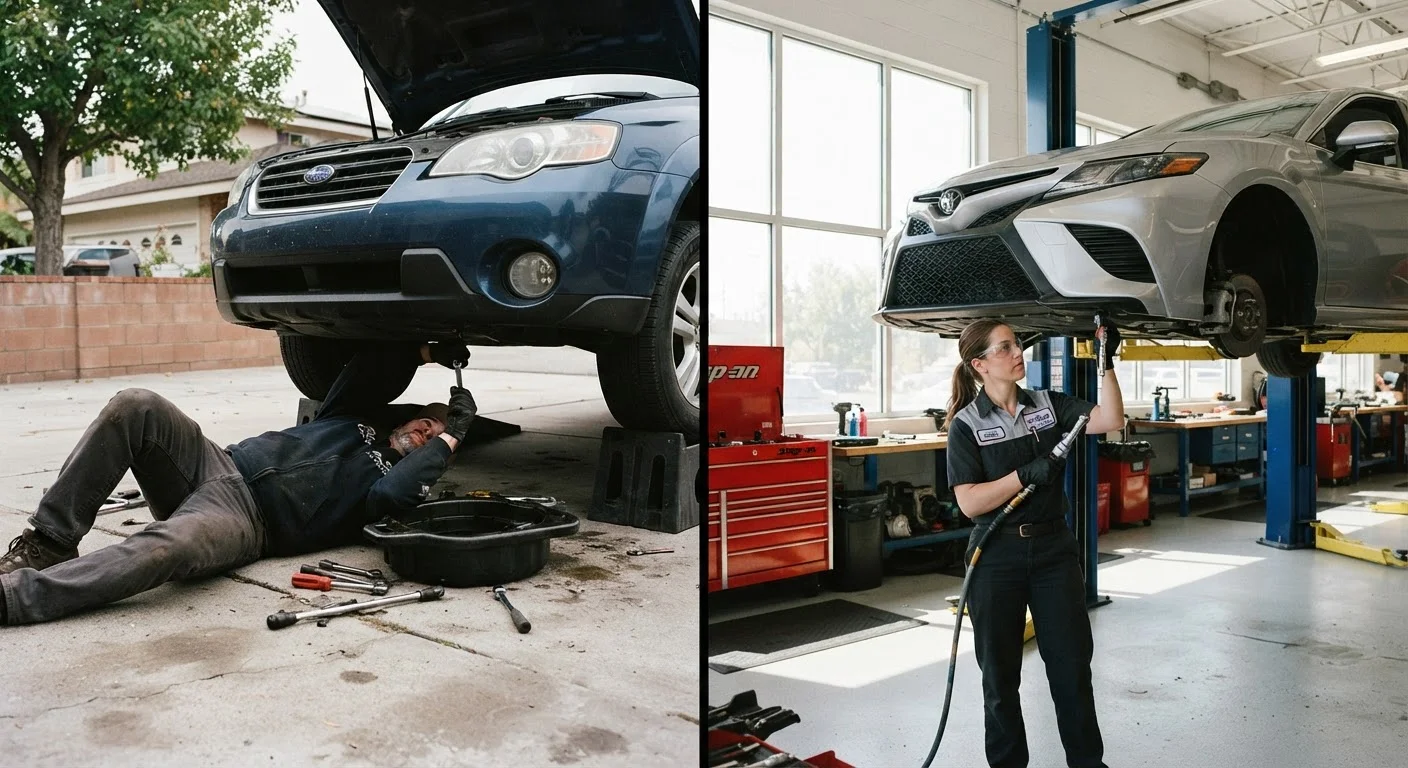
A DIY oil change means purchasing the correct oil and a new filter, safely raising your vehicle (using proper jack stands - never just a floor jack alone), draining the oil into a catch pan, swapping the filter, refilling the engine, and then transporting your used oil to a recycling drop-off. You'll also need to dispose of or reuse the crush washer on the drain plug depending on your vehicle.
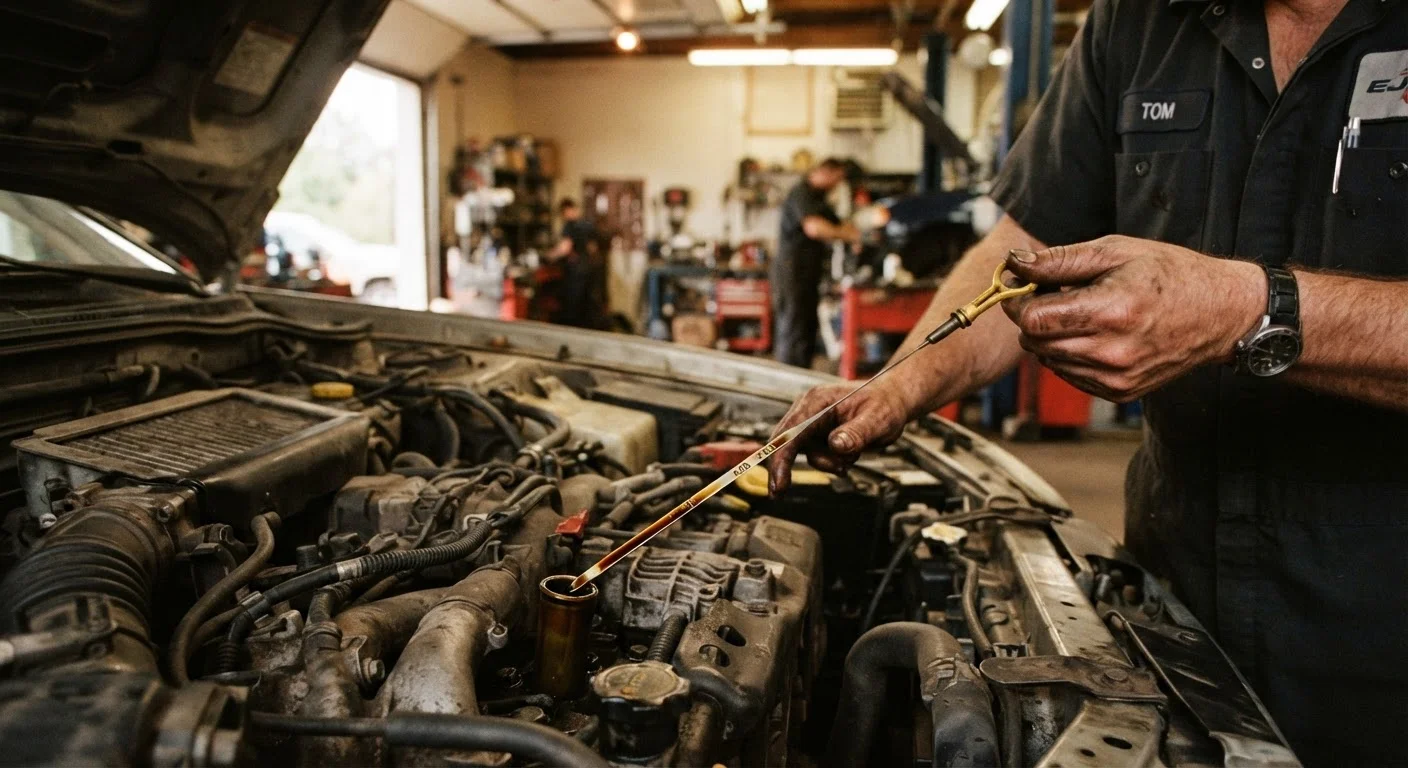
A professional shop handles all of that for you. A technician drains and refills the oil, replaces the filter, checks fluid levels, and often performs a visual inspection of belts, tires, and brakes as part of the service. The used oil is disposed of on-site. You drop off the car and pick it up done.
For a deeper look at which oil type belongs in your engine, see our guide on synthetic vs. conventional motor oil.
Cost, Time, and What You'll Need
| DIY Oil Change | Professional Shop | |
|---|---|---|
| Typical Cost (Synthetic) | $50-$90 (materials only) | $70-$120 (full service) |
| Time Required | 30-90 minutes depending on experience | 30-45 minutes at shop |
| Tools Needed | Jack stands, drain pan, filter wrench, funnel | None - shop provides everything |
| Used Oil Disposal | Must transport to recycling site yourself | Handled on-site by shop |
| Vehicle Inspection Included | Only if you check yourself | Often included as standard |
| Risk of Error | Higher - mistakes are your responsibility | Lower - shop carries liability |
| Skill Level Required | Basic mechanical comfort needed | No skill required from driver |
The cost comparison between DIY and professional service is closer than many drivers expect. A typical shop oil change with conventional oil runs roughly $35-$75, while synthetic service often lands in the $70-$120 range, depending on your area and the type of shop. DIY materials - oil and a filter - can cost $25-$60 for a conventional job or $50-$90 for synthetic. The savings narrow further once you account for a drain pan, jack stands, a filter wrench, and a funnel if you don't already own them.
Time-wise, an experienced home mechanic can complete a change in 30-45 minutes. A first-timer should budget 60-90 minutes, including cleanup and a trip to drop off used oil. A shop appointment, if it doesn't involve a long wait, often takes 30-45 minutes from drop-off to pickup.
The Real Risks of DIY
The most common DIY oil change mistakes have serious consequences. An over-tightened drain plug can strip the threads on your oil pan - a repair that can cost several hundred dollars. An under-tightened plug or filter can allow oil to leak out, potentially causing catastrophic engine damage within minutes of driving. Filling with the wrong oil grade or overfilling can also harm your engine over time.
These risks don't mean DIY is off-limits - they mean it requires care, the right information, and a willingness to double-check your work. Always consult your owner's manual for the correct oil viscosity (such as 5W-30 or 0W-20) and capacity. If you're unsure at any step, stopping and getting professional guidance is always the right call.
Skipping oil changes entirely is worse than either imperfect option. See what happens when you ignore routine car maintenance for a clear-eyed look at the consequences.
What Shops Offer Beyond an Oil Change
One underappreciated advantage of using a professional shop is the inspection that comes with it. Technicians often flag issues you'd never notice yourself - a worn belt, low brake fluid, a tire with uneven wear - before they become expensive failures. This check-up value can offset the price difference between DIY and shop service.
Shops also carry liability for their work. If a technician fails to tighten the drain plug and your engine is damaged, the shop is responsible. With DIY, any mistake is yours to fix. If you're deciding between a dealership service center and an independent mechanic, our comparison of dealer service centers vs. independent mechanics can help you weigh those trade-offs.
For drivers managing tight budgets, it's also worth reading about keeping up with car maintenance when money is tight - skipping oil changes to save money almost always costs more in the long run.