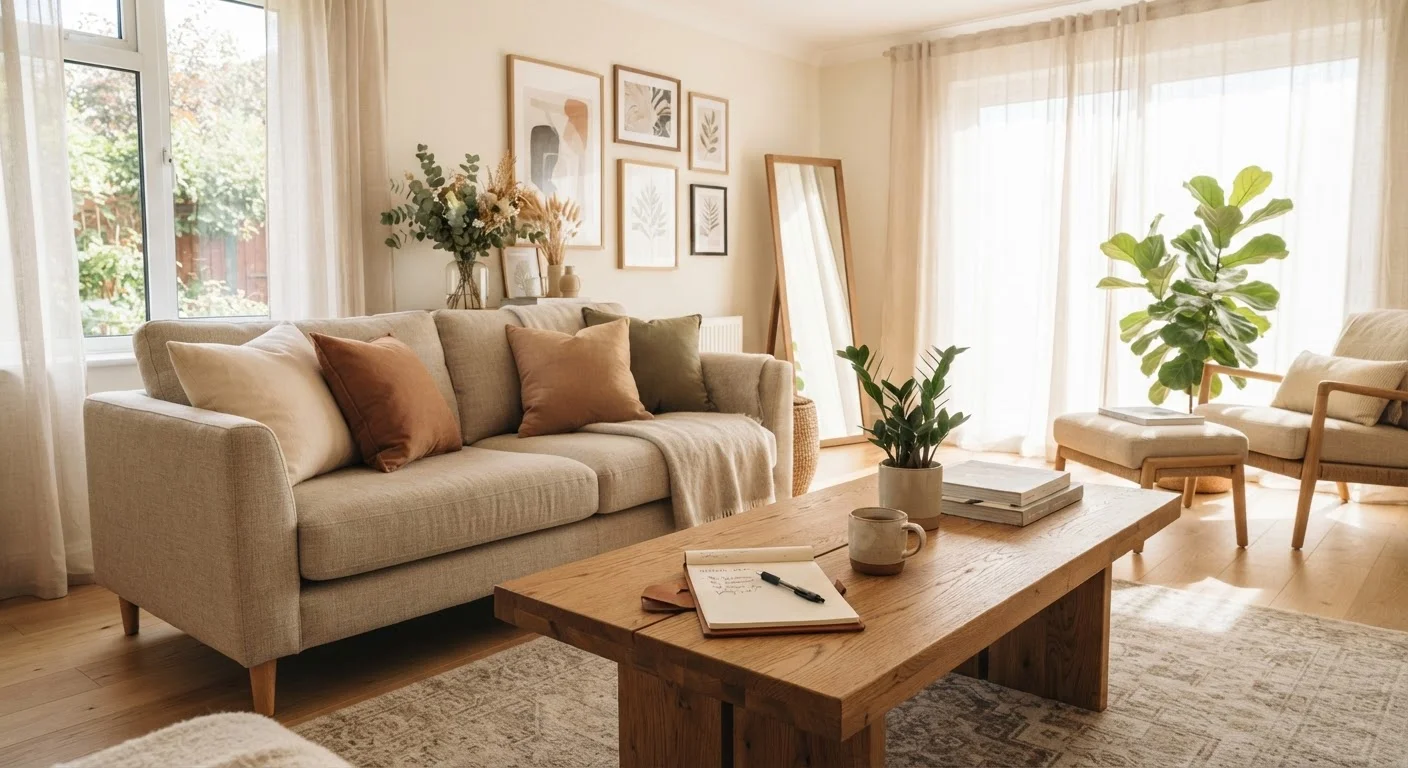
Before spending on new decor, use this audit checklist to identify what's working, what's not, and what simple changes can make the biggest difference.
Key Takeaways
Auditing a room before buying anything new prevents costly, mismatched purchases.
Many refreshes are achievable through rearranging, cleaning, and decluttering alone.
Light, scale, and function issues should be identified before addressing style.
A written list of what's missing is more useful than a vague feeling the room is 'off'.
Most rooms need editing before they need adding to.
Why Audit Before You Buy
It's tempting to walk into a room that feels tired or cluttered and immediately start shopping for something new. A throw pillow here, a lamp there - and before long you've spent money without actually solving the problem. The room still feels off, and now it's also fuller.
The truth is that most rooms benefit more from honest evaluation than from new acquisitions. This checklist is designed to help you slow down, look clearly at your space, and understand why it isn't working before you spend a single dollar. Whether you're dealing with a living room that feels cramped, a bedroom that never quite feels restful, or a dining area that nobody wants to sit in, the fix usually starts with understanding - not shopping.
If your room also has a clutter problem layered underneath the style issues, it's worth working through a structured decluttering approach before this audit, so you're evaluating the actual space rather than the mess.
Light Assessment
Walk through the room at different times of day and note where natural light enters, where it's blocked, and how the room feels in the evening.Must
Identify whether overhead lighting is the only source - if so, note where lamps or task lighting could add warmth and layering.Must
Check whether window treatments are blocking useful light; consider whether sheers or a different hanging height would help.Should
Note if any bulbs are mismatched in color temperature (warm versus cool white), which creates visual tension in a room.Should
Layout and Flow
Walk the natural path through the room and note any furniture that interrupts movement or forces awkward detours.Must
Check whether seating is arranged for actual conversation - angled toward each other - rather than pushed against walls.Must
Measure the key clearances: at least 18 inches between a sofa and coffee table, and at least 30-36 inches for main walkways.Should
Identify whether any furniture is scaled too large or too small for the room; oversized pieces shrink a room, undersized ones make it feel sparse.Should
Surface and Condition Check
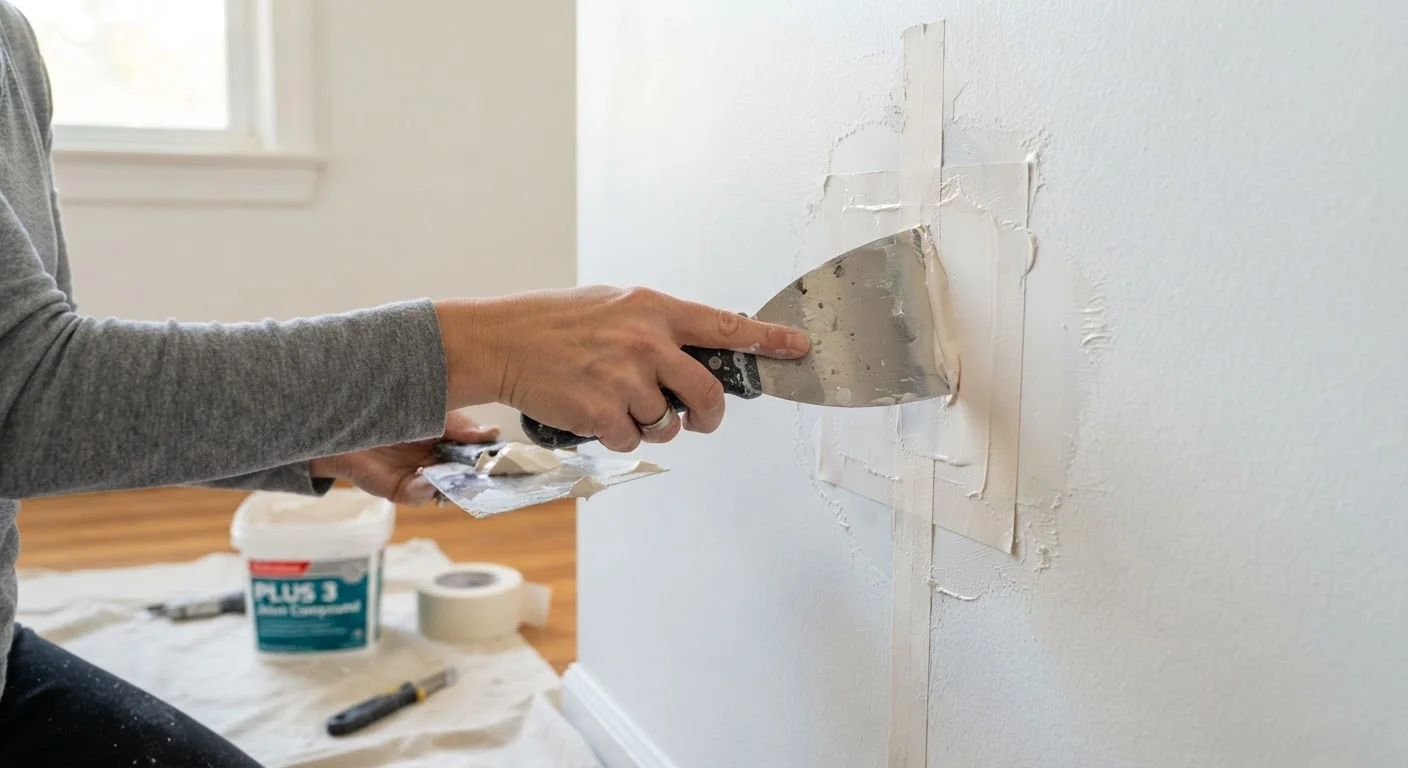
Inspect walls for scuffs, nail holes, or outdated paint that a fresh coat could resolve inexpensively.Must
Check flooring for damage, worn areas, or rugs that have shifted and are no longer defining the seating zone correctly.Must
Look at upholstery, cushion covers, and curtains for staining or wear that cleaning might resolve before replacement is considered.Should
Wipe down all surfaces, hardware, and light fixtures - grime makes rooms feel older and darker than they are.Must
Clutter and Editing
Stand in the doorway and count the distinct 'visual stops' - items your eye lands on. More than seven in one sightline is usually too many.Should
Identify objects that are present out of habit rather than purpose or genuine affection, and set them aside to evaluate.Must
Group small accessories into clusters of odd numbers (3 or 5) on surfaces rather than scattering them individually.Nice to have
Function and Storage
List the primary activities that happen in this room and confirm the furniture arrangement actually supports them.Must
Identify any storage problems causing items to accumulate on surfaces - these are function gaps, not decor problems.Must
Note whether cords, cables, or utility items are visible and could be managed with simple organization before a decor solution is attempted.Should
Style Coherence
Identify the dominant style or tone of the room and flag any pieces that clearly belong to a different aesthetic - these are friction points.Should
Check whether the room has a focal point (fireplace, window, artwork, TV wall) and whether the furniture arrangement acknowledges it.Must
Note whether color is present in layers (wall, textiles, accessories) or concentrated in one spot - balance often matters more than color choice.Nice to have
What to Do With Your Findings
Once you've completed each section of the checklist, you should have a written picture of your room that's divided into three columns: what's working, what can be fixed without spending money, and what genuinely needs replacing or adding. That third column is your real shopping list - and it will be far shorter, and far more targeted, than anything you'd have come up with by browsing.
Common no-cost fixes include rearranging furniture to improve traffic flow, swapping items between rooms, cleaning windows to improve natural light, and regrouping accessories into fewer, more intentional vignettes. For more on how layout and color interact with the way a room feels, see what the research actually says about room color and mood.
Home & Garden Editorial Team is the collective byline for our editorial team and contributor network. Articles published under this byline or an editorial pen name are researched, written, and reviewed according to our editorial standards for clarity, consistency, and independence before publication.
The content on this site is provided for informational purposes only and should not be considered a substitute for professional advice. While we strive to provide accurate and up-to-date information, we make no guarantees regarding its completeness or accuracy. Always consult a qualified professional for advice specific to your circumstances before making any decisions.