
Why a Pre-Purchase Checklist Pays Off
Most purchasing mistakes aren't made at the register - they're made during the research phase, when marketing copy substitutes for genuine evaluation. A structured checklist forces you to slow down and ask the right questions before money changes hands.
This checklist applies to any significant purchase: electronics, appliances, furniture, tools, or anything where the wrong choice means real financial loss. For purchases in specific categories, you may also want to review The Consumer's Field Guide to Evaluating Any Product for deeper category-specific criteria.
Work through the groups below in order. Items marked must are non-negotiable before committing. Items marked should are strongly recommended when time allows.
Define Your Actual Need
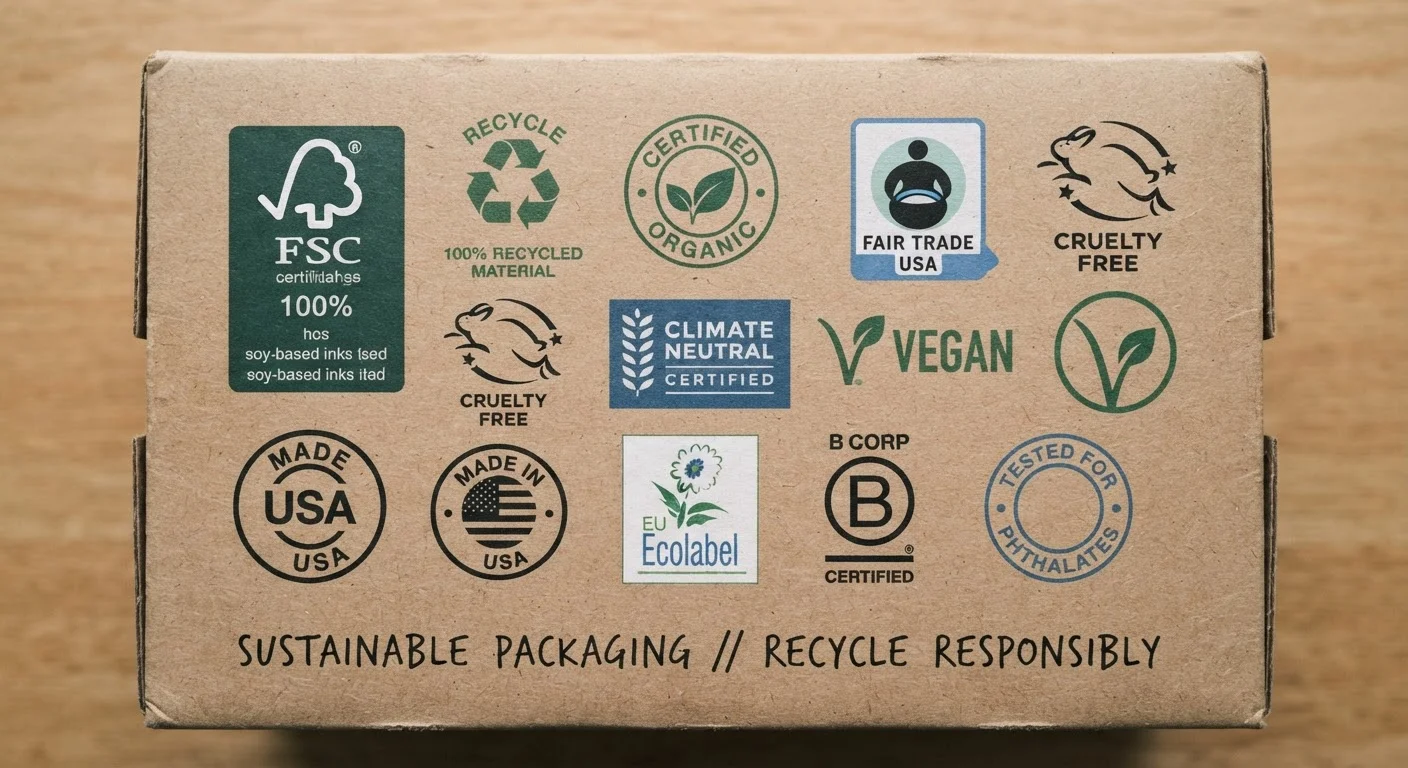
Evaluate Product Claims
Assess Total Cost of Ownership
Verify Seller and Purchase Protections
Final Go/No-Go Review
How to Use Your Research Tools Effectively
The checklist above prompts you to gather information - but the quality of that information depends on where you look. Not all sources carry equal weight.
Independent Consumer Testing Organizations
Provide lab-tested, unsponsored product evaluations that go beyond manufacturer claims.
Retailer Return Policy Pages
Confirm exact return windows, condition requirements, and restocking fees before completing checkout.
Manufacturer Warranty Documentation
Verify what is actually covered, for how long, and under what conditions - not just the headline warranty period.
Consumer Complaint Databases
Check a seller or brand's complaint history through government consumer protection portals or nonprofit watchdogs.
Price History Tools
Review a product's pricing history to contextualize whether the current price represents genuine market value.
When you encounter unfamiliar terminology in product listings or technical specs, the Product Evaluation Glossary is a useful quick-reference. And if you're buying something you can't physically handle first, the strategies in Evaluating a Product You Can't Try Before You Buy add another layer of protection.
For a clear breakdown of how consumer reviews compare to structured lab testing, see User-Generated Reviews vs. Expert Testing. Both inputs matter - but they answer different questions, and conflating them leads to incomplete assessments.
Review Manipulation Is Common
Star ratings and review counts can be inflated through incentivized, coordinated, or fake reviews. Look for verified purchase labels, read low-rated reviews for recurring complaints, and weigh volume alongside consistency of feedback. A product with 4.2 stars from 2,000 detailed reviews is generally more reliable than one with 4.8 stars from 40 brief ones.
If your purchase decision involves a contractor or skilled trade rather than a physical product, the same evaluation discipline applies. The checklist at Hiring a Contractor: Questions to Ask Before Work Begins mirrors this process for vetting service providers. For broader pre-commitment decision frameworks, see How to Evaluate a Purchase Before You Commit to It.