
Why a Structured Walkthrough Beats Gut Instinct
Most purchase decisions are made under some combination of time pressure, marketing influence, and incomplete information. Attractive packaging, confident copy, and comparison charts designed by the manufacturer all shape perception before you've evaluated the product itself. A structured quality-check walkthrough shifts the process back toward observable evidence.
This approach applies across categories - clothing, furniture, appliances, tools, or electronics. The specific things you're testing will vary, but the underlying framework is consistent: define what matters, inspect the materials, test the function, stress the structure, verify the claims, and cross-reference independent findings. If you're approaching product evaluation for the first time, a plain-language introduction to judging product quality lays out the foundational concepts before you apply this process.
What you will need
Running the Quality-Check Walkthrough
The steps below are sequenced to build on each other - your requirements defined in Step 1 filter everything you observe in Steps 2 through 5, and Step 6 validates whether your in-person assessment aligns with longer-term performance data. Work through them in order, and resist the impulse to skip ahead because a product looks good on first impression.
Don't Rely on Price as a Proxy for Quality
A higher price tag does not guarantee superior materials, construction, or durability. Markup can reflect branding, packaging, or retail positioning rather than product merit. Always evaluate the product itself against your specific needs before assuming cost reflects quality. This walkthrough is designed to cut through that assumption systematically.
Define Your Non-Negotiable Requirements
Before touching the product, write down the specific performance criteria it must meet for your use case. Separate must-haves from nice-to-haves. A product that excels on marketing-friendly features but fails on your core requirements is the wrong product regardless of its overall quality rating.
For example: a bag that looks premium but lacks the carrying capacity you need is a poor match, not a good deal. This step grounds every subsequent evaluation in your actual needs rather than a manufacturer's framing.
Examine the Materials and Finish
Identify what the product is made of - not just what the label says, but what it feels and looks like under scrutiny. Look for consistency in finish across all surfaces, not just the front-facing side. Rough edges, uneven coatings, visible adhesive, or color variation in a single panel are signs of inconsistent manufacturing.
Compare the stated materials against what you can verify. If a listing claims solid wood but joints show veneer edges or particleboard, note the discrepancy.
Test All Moving Parts and Functional Elements
Operate every mechanism the product has - zippers, hinges, buttons, clasps, lids, drawers, or controls - multiple times. A single smooth operation may be coincidence; consistent, resistance-free movement across five repetitions is a better indicator. Listen for grinding, clicking, or resistance that shouldn't be there.
For electronics or appliances, test every function listed on the spec sheet, not just the primary one. Secondary functions that fail in-store will fail at home too.
Assess Structural Integrity and Weight Distribution
Apply light, controlled pressure to stress points - corners, joints, handles, and bases. A well-constructed product should feel solid without flex or creaking under moderate pressure. Excessive flex in a structural component often predicts early failure under normal use conditions.
Also evaluate weight distribution. A product that feels unbalanced, top-heavy, or unexpectedly light may signal cost-cutting in core materials. Weight isn't always a quality indicator, but unexpected lightness in a component that should be dense often is.
Verify Labels, Certifications, and Documentation
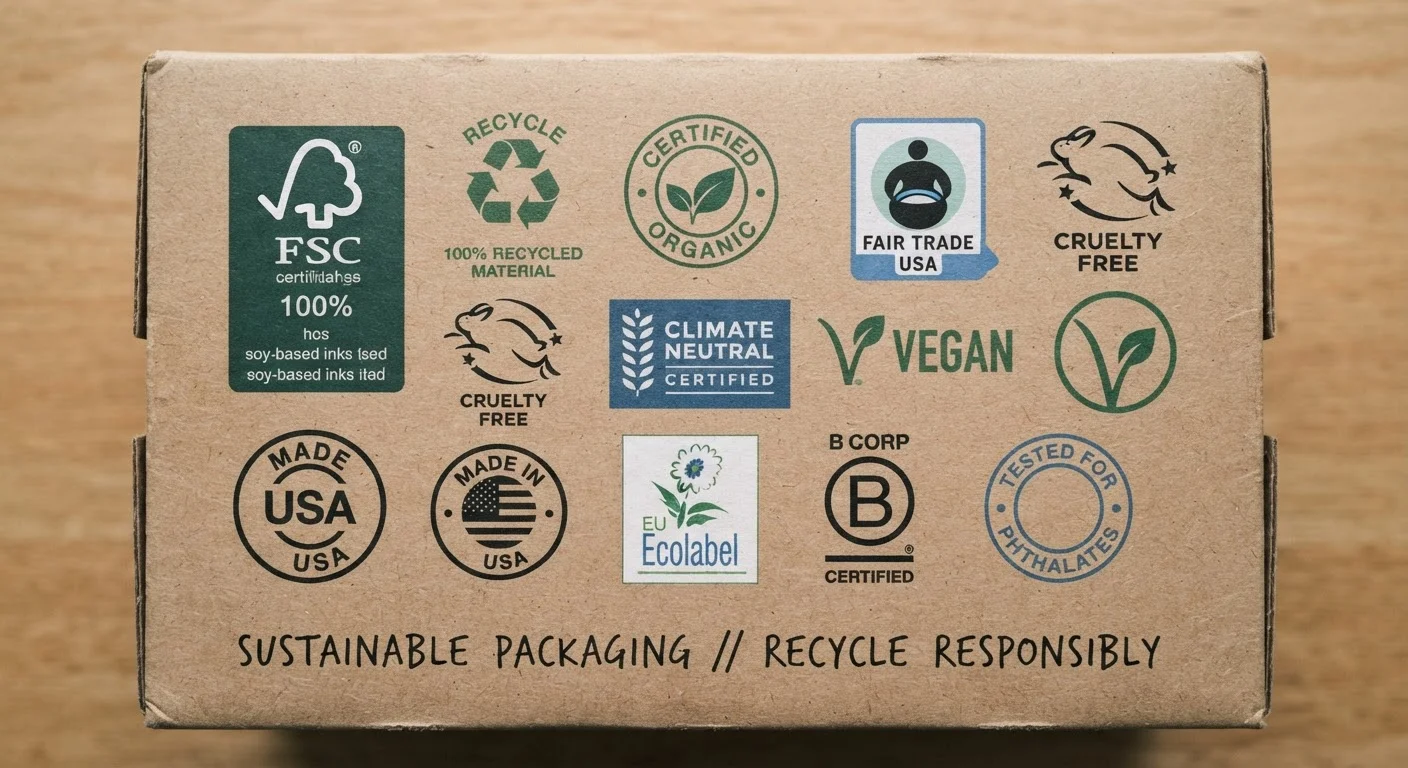
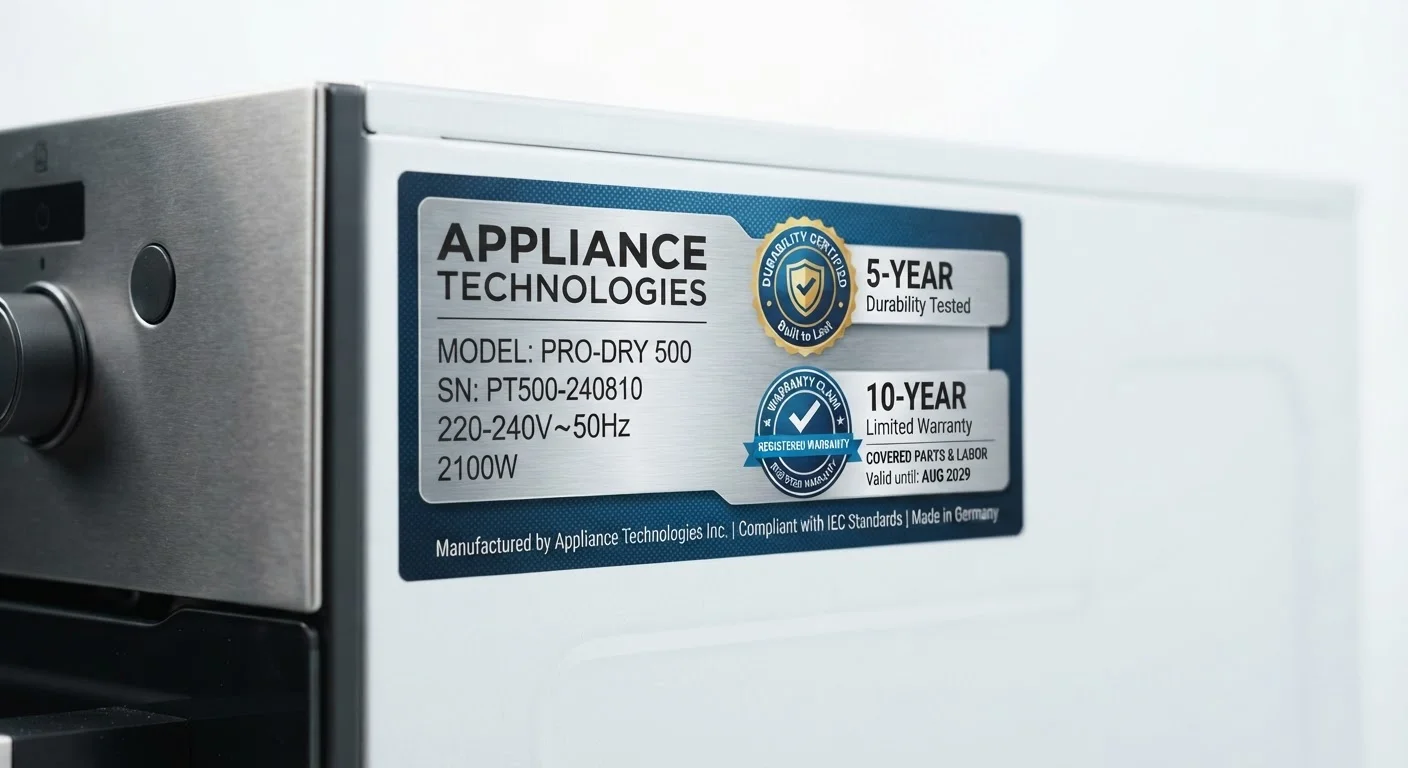
Check that safety marks, material certifications, or regulatory compliance labels match what the product page claims. Legitimate certifications reference a recognized standards body and include a verifiable mark - vague language like "certified quality" with no issuing body is a red flag.
Review any included documentation: warranty terms, care instructions, and country of manufacture. Thin or absent documentation often signals that after-sale support will be similarly limited.
Compare Against Independent Evaluations
Match your physical findings against what independent reviewers have reported. Consistent patterns - repeated mentions of a weak hinge, a fading finish, or a motor that fails early - are more reliable than any single review. Prioritize reviews that describe testing conditions and duration over those that only describe first impressions.
If your in-person assessment contradicts widespread independent findings, trust the pattern. For a broader pre-purchase framework, the pre-purchase checklist can help you organize your findings before committing.
Use Independent Reviews as a Cross-Check
Once you've completed your hands-on inspection, validate your findings with reviews from sources that have no commercial stake in the product. Look for reviewers who describe testing methodology and specific failure points. For guidance on separating signal from noise, see how to read trustworthy product reviews.
After the Walkthrough: Making the Call
When you've completed the walkthrough, you should have a clear picture of where the product meets your requirements and where it falls short. If multiple steps surface concerns - inconsistent finish, weak joints, missing certifications, and a pattern of negative independent reviews - those concerns compound rather than cancel out.
A product that passes most criteria but fails a requirement you identified as non-negotiable in Step 1 is still the wrong product. Conversely, a product that passes all criteria but carries unnecessary features you won't use may represent value you're overpaying for. For a broader decision framework that addresses spending context, see how to evaluate a purchase before you commit. And if you want a complementary checklist format to document your findings, the consumer's field guide to evaluating any product covers additional evaluation dimensions you can layer in.
Online-Only Purchases Require Extra Diligence
When you can't physically handle a product before buying, you lose the ability to test weight, texture, fit, and construction firsthand. Compensate by scrutinizing material specifications, reading return policies carefully, and relying on detailed third-party assessments. For a full strategy, see evaluating products you can't test in person.