
Why Buying Blind Requires a Sharper Process
A significant share of consumer purchases today happen without any hands-on evaluation - no holding the product, testing the weight, checking the stitching, or pressing the buttons. Whether you're shopping online or ordering something unavailable locally, you're working entirely from secondary information. That changes what good research looks like.
The challenge isn't a lack of information - it's too much of the wrong kind. Product pages are written to convert, not to inform. Marketing copy emphasizes strengths while obscuring trade-offs. Even product images can be misleading in scale, color, or material quality. To cut through this, you need a deliberate process rather than a gut reaction to a well-designed listing.
This guide outlines the habits and evaluation strategies that help you judge a product on its actual merits - not on how well it was packaged or promoted. For a broader foundation on this topic, this plain-language introduction to judging product quality is a useful starting point.
Best Practices for Evaluating Products Remotely
Each of the following practices addresses a specific failure point in remote product evaluation - the moments where buyers tend to be misled or underprepared.
Separate specification claims from performance evidence.
Manufacturers write their own spec sheets, so figures like "up to" battery life or load capacity are measured under ideal conditions you may never replicate. Treating specs as a ceiling rather than an expectation helps calibrate your expectations before you buy.
Seek out independent testing sources, not just aggregated star ratings.
Consumer advocacy organizations and specialist publications test products under controlled, repeatable conditions and have no financial stake in the outcome. Their findings often contradict marketing claims in ways that matter for everyday use.
Map the critical reviews to your specific use case.
A product can be excellent for most buyers and completely wrong for you. Critical reviews are most useful when you identify whether the reviewer's context - their climate, habits, or expectations - matches yours.
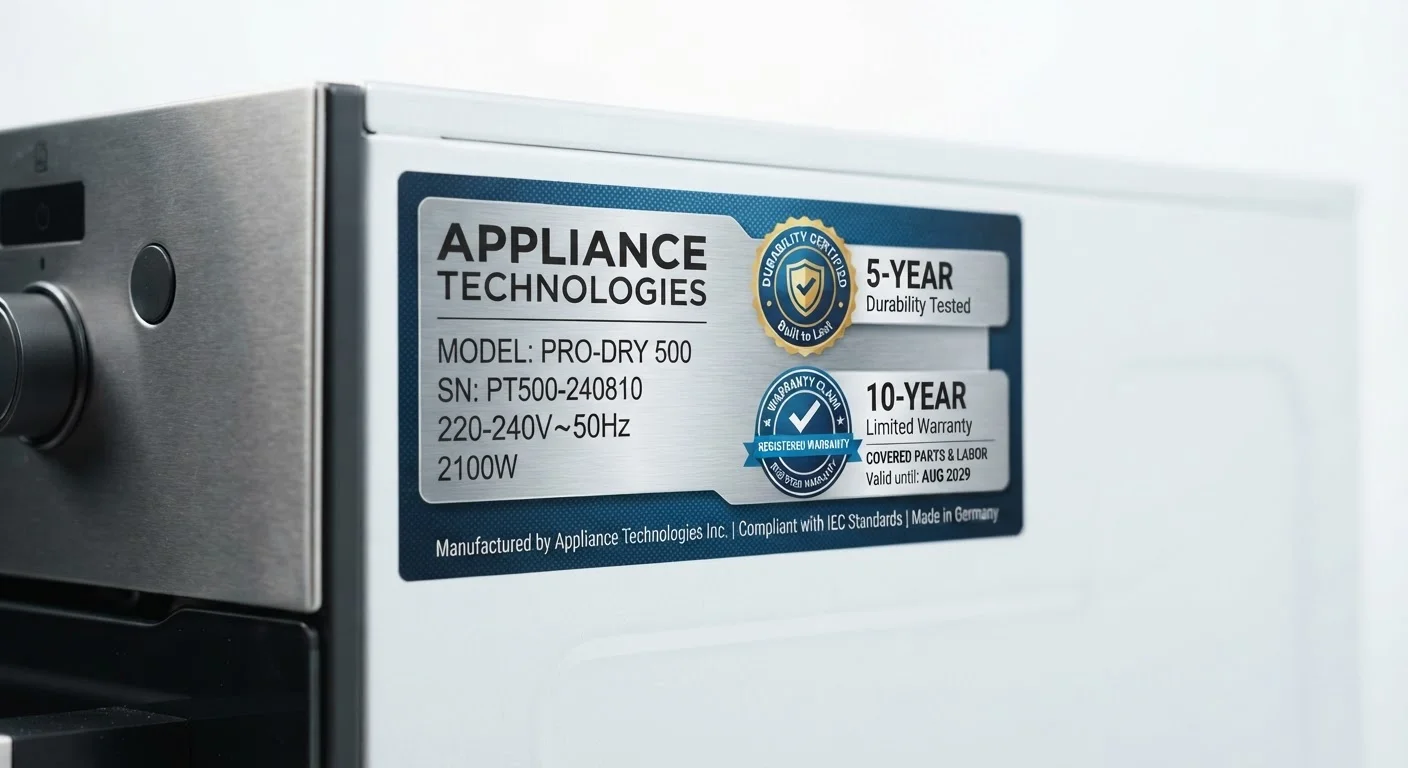
Verify return and warranty terms before purchase, not after.
Return policies and warranties define your actual risk exposure. A product with a short return window and limited warranty carries more financial risk than one with clear, buyer-friendly terms - regardless of how good it looks on the listing.
Look for long-term ownership reports, not just first-impression reviews.
First-impression reviews are the most common type online, but they capture the product at its best - new, unscuffed, and still performing to spec. Durability and reliability only show up in reviews written months or years after purchase.
Cross-check the product's claims against category norms.
Understanding what's typical in a product category gives you a baseline for evaluating whether a specific claim is credible or inflated. Outlier promises - significantly better specs at lower prices - warrant additional skepticism.
Using Reviews Without Being Misled by Them
Reviews are one of your most powerful tools, but only when read critically. A five-star average across hundreds of reviews sounds reassuring, but it tells you almost nothing about fit for your specific use case. What matters is the distribution of ratings, the content of the critical reviews, and whether the reviewer profile matches yours.
Look for reviewers who describe concrete conditions - how long they've used it, in what setting, and what they compared it against. Vague positivity («great product, love it») offers little signal. Detailed criticism, even if the overall rating is low, often contains the most useful information. Learn how to spot the signals that separate genuine feedback from noise or manipulation.
Also understand the difference between what consumer reviews and independent lab tests can tell you. Reviews reflect real-world experience across varied conditions; lab tests measure specific, controlled performance metrics. Both matter, but they answer different questions. Understanding both makes you a sharper product evaluator.
The Policies That Protect You When Research Isn't Enough
Even rigorous research leaves some uncertainty. That's why the terms surrounding a purchase - return window, warranty coverage, and customer service accessibility - are part of evaluating a product, not afterthoughts.
A generous return policy isn't just a safety net; it's a signal about a seller's confidence in their product and their approach to customer relationships. Before committing to any significant purchase, verify: How long is the return window? Who pays for return shipping? Is there a restocking fee? What does the warranty actually cover, and for how long?
These questions are especially important for higher-ticket items or categories where product quality varies widely. Use this alongside a structured pre-purchase checklist to make sure nothing slips through before checkout. For a comprehensive framework covering every dimension of smart evaluation, The Consumer's Field Guide to Evaluating Any Product is worth bookmarking.
This article is for general informational and educational purposes. It does not constitute financial or purchasing advice tailored to your specific situation.