What Unit Pricing Actually Tells You
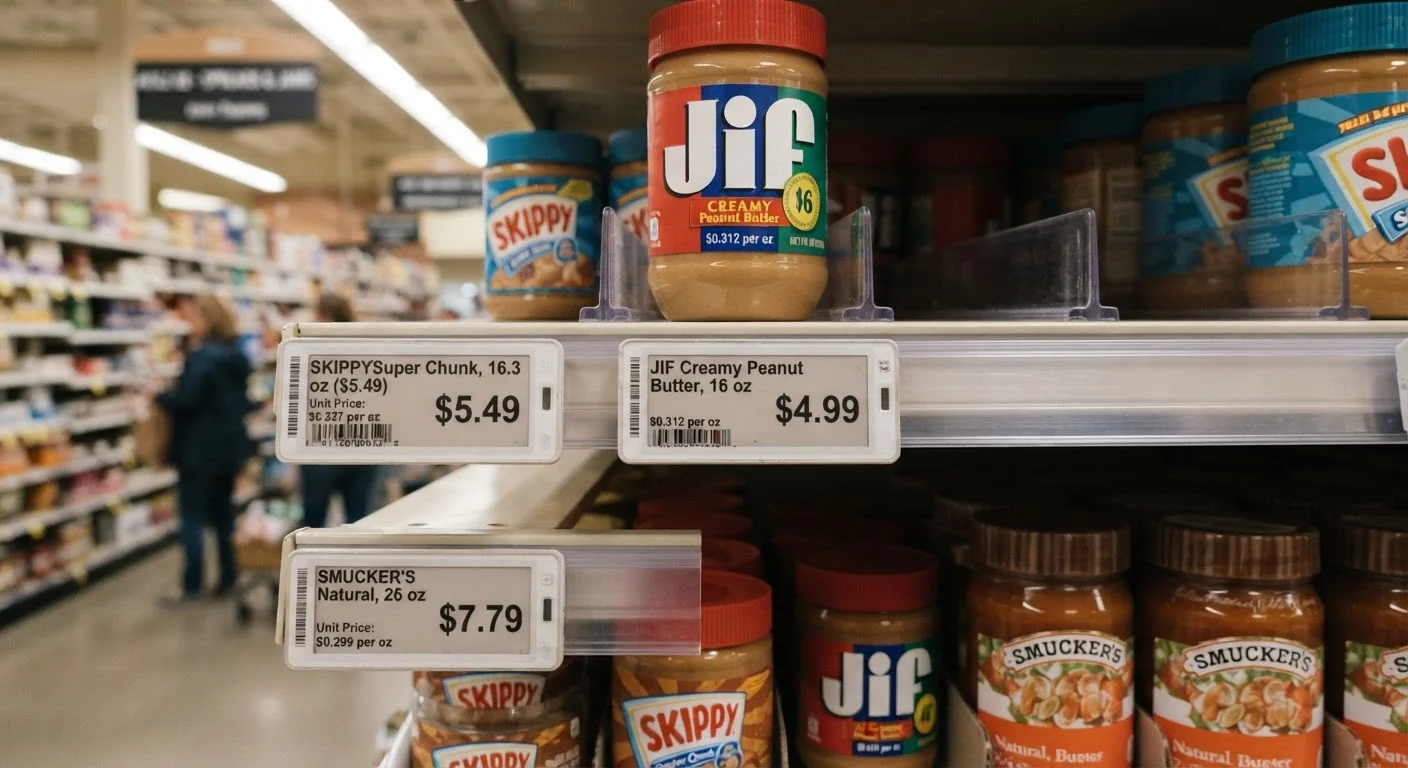
Every grocery shelf tag typically shows two numbers: the total item price and, in smaller print, a unit price. That second number - expressed as a cost per ounce, per sheet, per fluid ounce, or per serving - is the one that actually lets you compare products fairly.
The total price tells you what you'll hand over at the register. The unit price tells you what you're getting for that money. A 32-oz bottle of dish soap priced at $4.99 and a 16-oz bottle at $2.79 look close in dollar terms. The unit price ($0.156/oz vs. $0.174/oz) reveals the difference instantly.
Unit pricing exists because package sizes are not standardized. Manufacturers choose sizes strategically, and without a common denominator, side-by-side comparisons are genuinely difficult. Unit pricing creates that common denominator.
| What it measures | Cost per standard unit (oz, count, sheet, serving, etc.) |
| Where to find it | Printed on the shelf price tag, often in a smaller font |
| U.S. state requirements | Many states require unit pricing in grocery stores; rules vary by state and store size (State consumer protection statutes) |
| Primary use case | Comparing different package sizes of the same or similar product |
| Key limitation | Measures cost efficiency only - not product quality or performance |
| Common unit types | Per oz, per fl oz, per 100g, per count, per sheet, per serving |
How to Read a Unit Price Label
Unit price labels are usually printed in the upper-left or upper-right corner of the shelf tag, often in a smaller font. The format varies by retailer but typically looks like: $0.18 / oz or 18¢ per 100g.
A few things to check when comparing:
- Same unit type: Some products are priced per ounce, others per count (e.g., paper towels). You can only compare unit prices that use the same measurement. Comparing $0.05/sheet to $0.04/oz is meaningless.
- Same product category: Unit price is a value tool, not a quality tool. A lower unit price on a thinner paper towel may not represent better value if you need twice as many sheets per task. See our guide on price vs. value for how to factor in performance.
- Sale pricing: Some retailers calculate unit price based on the sale price, others on the regular price. Verify which applies before assuming a sale item is the unit-price winner.
Retailers are not always consistent. Labels occasionally contain calculation errors, or the unit type shifts between sizes of the same product. Do a quick manual check when the numbers seem off.
Where Unit Pricing Matters Most
Unit pricing pays off most in categories where package sizes vary widely and repeat purchases are common:
- Pantry staples: Flour, sugar, oil, canned goods, and dried pasta often come in three or four size options with meaningfully different unit prices.
- Paper products: Toilet paper and paper towels are sold in so many configurations (single-ply vs. double-ply, regular vs. mega rolls) that unit pricing - specifically per-sheet cost - is the only reliable comparison tool. This also connects directly to the bulk buying question: larger packages don't always win on unit price.
- Cleaning and personal care products: Detergents, shampoos, and body wash are frequently packaged at sizes designed to anchor your perception of value. The unit price cuts through that.
- Store brands vs. name brands: Unit pricing makes the comparison between private-label and national brands concrete rather than approximate. Knowing the per-ounce gap helps you decide whether a brand premium is worth it - a question explored further in our private label vs. name brand overview.
Unit pricing is less useful for single-serve or highly perishable items where size flexibility is limited, or for specialty products where there's no direct equivalent to compare.
Retail Pricing Tactics That Work Against You
Retailers and manufacturers use several tactics that make unit pricing harder to apply instinctively:
- Irregular package sizes: A product sold in 11.3-oz, 15-oz, and 28-oz sizes forces mental math that most people don't do in the aisle. The unit price resolves this.
- Shrinkflation: When a product's package gets smaller while the price stays the same, the unit price rises - even though the shelf tag price is unchanged. Unit pricing makes shrinkflation visible.
- Bundle and multipack pricing: A "2 for $5" deal looks like a discount. The unit price tells you whether it actually is one. Our article on retail pricing illusions covers this pattern in detail.
Unit pricing doesn't require a calculator or a smartphone app. Once you know where to look on a shelf tag, it takes about three seconds to compare two products. That's the point: it's a fast, low-effort filter that sidesteps the packaging and promotional noise designed to influence your choice before you've thought it through.
This article is for general informational purposes only and does not constitute financial or purchasing advice tailored to your individual circumstances.