Why Most Grocery Budgets Leak Without a System
Grocery spending is one of the few household budget categories where small, daily decisions accumulate into significant monthly costs - and where most people have genuine room to improve without sacrificing quality. The challenge isn't willpower; it's structure. Stores are deliberately designed to encourage unplanned spending, and without a clear system, it's easy to leave with more than you came for.
Understanding the mechanics of how stores are laid out - and how your own decision-making shifts depending on hunger, fatigue, or time pressure - is the starting point. For a deeper look at the psychological side of this, see how retailers use psychology to influence spending. The practices below address the structural habits that actually move the needle on your bill.
Core Practices for a More Deliberate Shop
These approaches are grounded in consumer behavior research and practical shopping logic. None of them require couponing, extreme budgeting, or giving up the foods you like. The goal is reducing unintentional spending - the kind that happens when you're in the store without a plan.
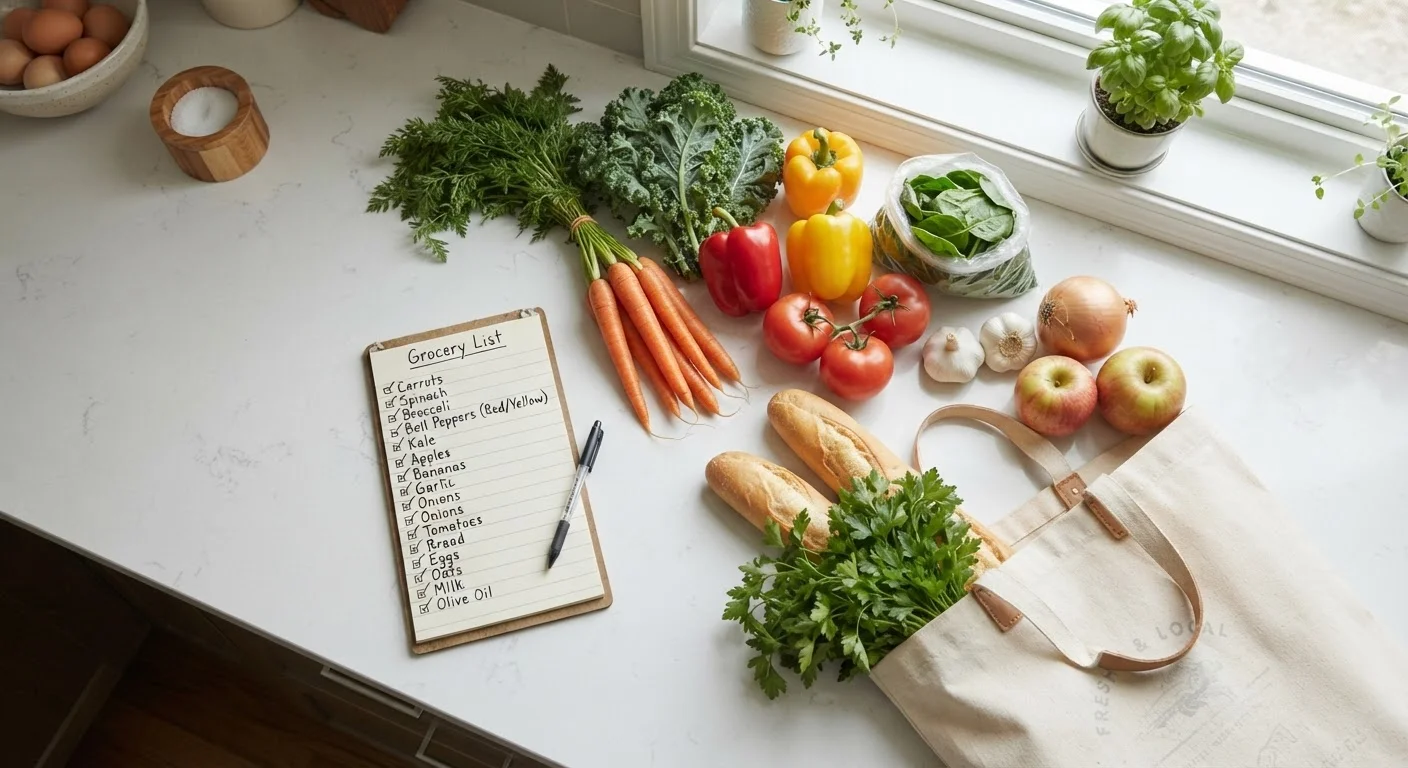
Write a specific, meal-anchored list before every shopping trip.
Shoppers without a list are significantly more likely to make unplanned purchases. A list built around planned meals reduces redundant buying and food waste - both of which inflate the effective cost of groceries. It also shortens your time in the store, which limits exposure to impulse-triggering displays.
Compare unit prices, not package prices, when evaluating value.
The sticker price on a package tells you very little about whether you're getting a fair deal. Unit pricing - usually shown on the shelf label as cost per ounce, pound, or count - allows apples-to-apples comparisons across sizes and brands. Larger packages aren't always cheaper per unit, and store-brand items frequently match or beat name-brand unit pricing.
Shop the perimeter first, then move inward with intention.
Most grocery stores place fresh produce, dairy, and protein around the outer edges, while processed and higher-margin items fill the interior aisles. Filling your cart at the perimeter first naturally prioritizes whole foods and leaves less budget - and cart space - for discretionary items in the center aisles.
Avoid shopping when hungry or rushed.
Research in consumer behavior consistently links shopping while hungry to higher spending on calorie-dense, impulsive purchases. Time pressure produces similar effects - when you feel rushed, you default to familiar (often pricier) items rather than pausing to compare. Both states undermine the deliberate decision-making that saves money.
Set a per-trip budget and track spending as you go.
A budget creates a spending ceiling that forces real-time trade-offs. Many shoppers have no clear number in mind when they enter a store, which makes overspending easy to rationalize. Tracking your cart total - mentally or with a phone calculator - keeps the running cost visible and surfaces the need for substitutions before checkout.
Build flexibility into your meal plan for produce that's on markdown.
Many stores discount produce that's at peak ripeness but still high quality. Shoppers who plan meals with some flexibility - knowing they'll swap in whatever leafy green or fruit is reduced - can access nutritious food at lower cost without sacrificing quality. This is a different approach from buying discounted items without a plan for using them, which leads to waste.
If you're evaluating whether bulk purchases fit into this system, it's worth reading about when buying in bulk actually costs more before adding large quantities to your cart by habit.
Turning Good Intentions Into a Repeatable Habit
The practices above are most effective when they become routine rather than one-time experiments. The transition from ad hoc shopping to planned shopping takes a few trips to feel natural, but the feedback is usually immediate - most people notice a difference in their receipt total within the first week.
Meal Planning Cuts More Than Your List
When you plan meals before shopping, you're not just organizing your list - you're also reducing the chance that ingredients go unused and get thrown out. Food waste is one of the least visible costs in a household grocery budget. Pairing meal planning with flexible recipes (those that work with multiple vegetable options, for instance) compounds the savings further.
Start with the actions that require the least change to your current routine. Even a partial list is better than none. Even a rough budget is better than no number at all. For readers working on broader household spending, a room-by-room spending audit can surface other areas where money quietly disappears each month.
For those just getting started with intentional budgeting, a practical introduction to smart spending covers the foundational ideas without requiring a full financial overhaul. And if eating well on a tighter grocery budget is a specific goal, nutrition on a budget provides grounded strategies for maintaining meal quality while spending less.