What 'Plant-Based' Actually Means
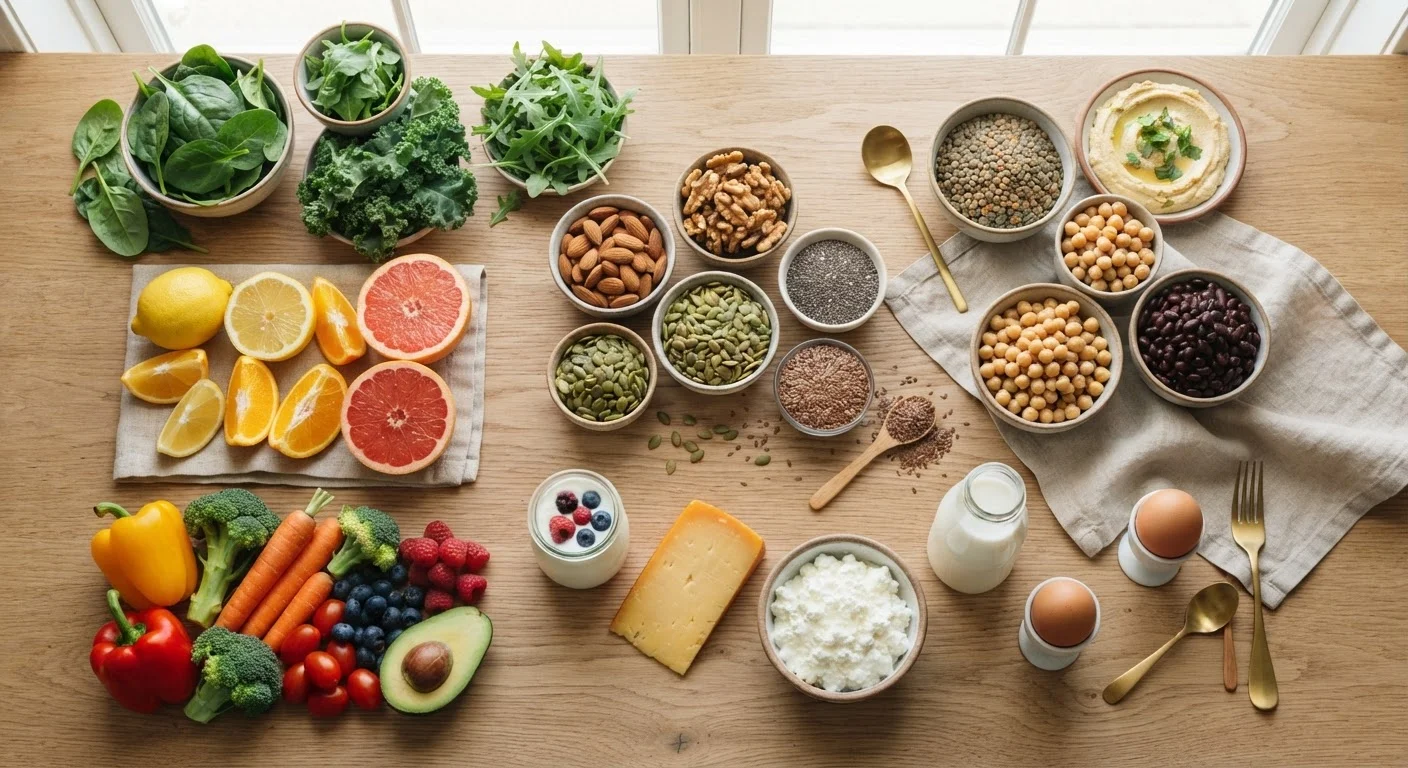
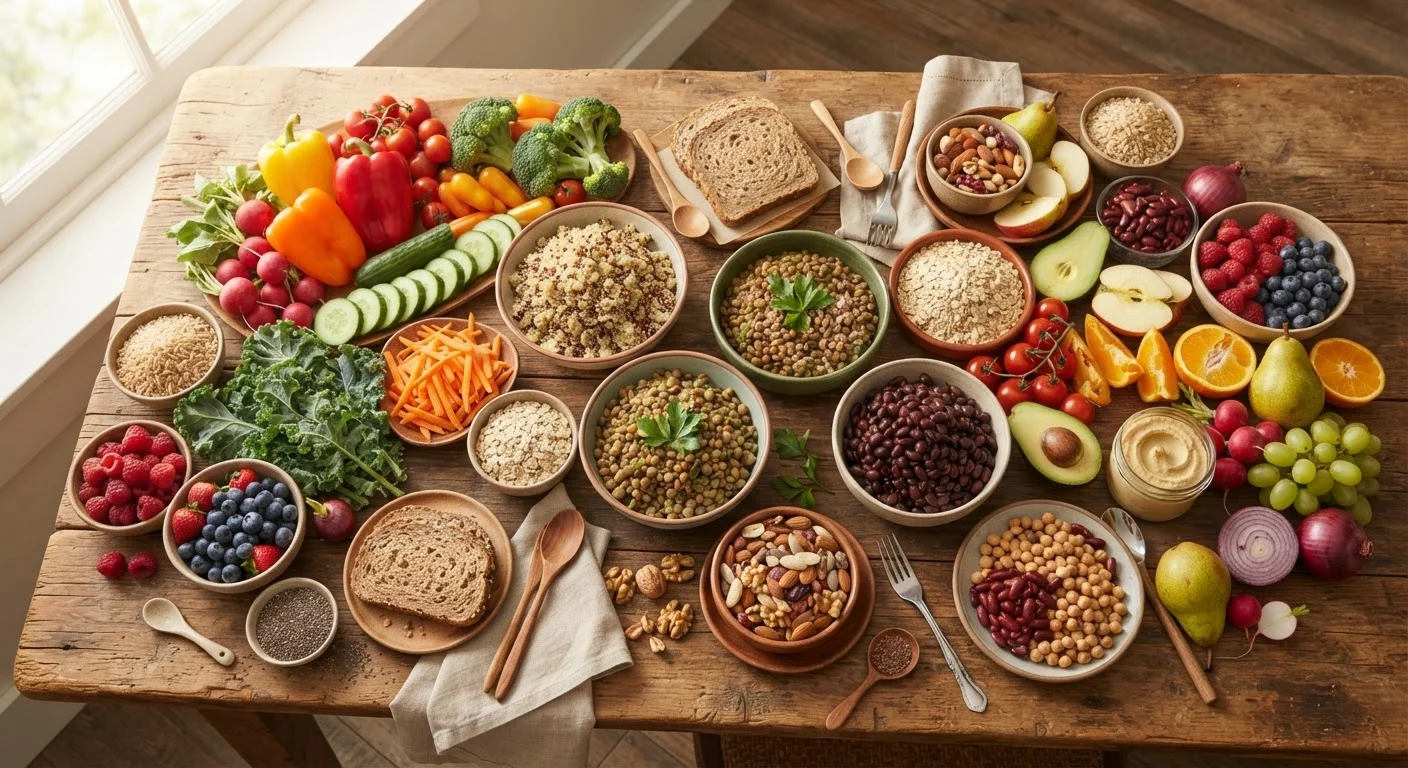
The term plant-based diet is broadly used and means different things to different people. At its core, it describes an eating pattern that prioritizes foods derived from plants - vegetables, fruits, legumes, whole grains, nuts, and seeds - while reducing or eliminating animal products. It encompasses everything from fully vegan diets (no animal products at all) to flexitarian approaches that occasionally include meat, fish, or dairy.
This flexibility is part of the appeal. Rather than a rigid set of rules, plant-based eating is better understood as a spectrum. Someone who swaps out meat for lentils several nights a week is moving in a plant-forward direction, even if they haven't overhauled their entire diet. Understanding this range matters because the research on health outcomes reflects a variety of plant-forward patterns, not just strict veganism. For a broader look at evidence-backed eating patterns, see eating patterns linked to long-term health.
The Evidence-Based Benefits
The health case for plant-based eating is well-supported in the nutrition literature. Studies consistently associate higher plant food intake with reduced risks of cardiovascular disease, type 2 diabetes, hypertension, and certain cancers. Several mechanisms are likely at work: plant foods tend to be high in dietary fiber, antioxidants, and anti-inflammatory compounds, and lower in saturated fat compared to typical Western diets heavy in processed meats and refined foods.
Linked to lower cardiovascular disease risk
Multiple large-scale studies associate plant-forward diets with reduced LDL cholesterol, lower blood pressure, and decreased rates of heart disease - likely due to high fiber content and lower saturated fat intake.
Supports healthy blood sugar regulation
Diets rich in fiber from legumes and whole grains slow glucose absorption, which may reduce the risk of developing type 2 diabetes and support blood sugar management in those already affected.
High dietary fiber intake benefits gut health
Plant foods are the primary source of dietary fiber, which feeds beneficial gut bacteria, supports regular digestion, and is associated with reduced colorectal cancer risk.
Can be highly cost-effective
Staples like dried beans, lentils, oats, and frozen vegetables are among the most affordable foods available, making whole-food plant-based eating accessible across income levels.
Associated with lower body weight on average
Research consistently finds that people following plant-based diets tend to have lower BMIs than omnivores, though dietary quality and overall calorie intake remain important factors.
Fiber deserves particular attention. Most Americans fall well short of recommended intake levels, and plant-based diets naturally address this gap. Dietary fiber supports gut microbiome diversity, helps regulate blood sugar and cholesterol, and is associated with healthy weight maintenance. Legumes - beans, lentils, chickpeas - are especially valuable as they deliver both fiber and protein in a cost-effective package, as explored in nutrition on a budget.
The Nutritional Trade-Offs to Plan For
Plant-based diets can leave meaningful nutrient gaps if not carefully managed. Several nutrients are either absent from or less bioavailable in plant foods, and ignoring them can affect energy, bone health, immune function, and neurological wellbeing over time.
Vitamin B12 is absent from unfortified plant foods
B12 is produced by microorganisms and found naturally only in animal products. Those avoiding all animal foods need fortified foods or supplementation to prevent deficiency, which can cause serious neurological and blood-related problems over time.
Iron absorption is less efficient from plant sources
Non-heme iron in plants is absorbed at a lower rate than heme iron in meat. Combining iron-rich plant foods with vitamin C can help, but deficiency remains a meaningful risk, particularly for menstruating individuals.
Omega-3 fatty acids require attention
Plant foods provide ALA (alpha-linolenic acid), but the body converts only a small fraction into the EPA and DHA found readily in fatty fish. Algae-based supplements offer a direct plant-derived source of EPA and DHA.
Calcium and vitamin D need deliberate sourcing
Without dairy, calcium must come from fortified plant milks, tofu made with calcium sulfate, or leafy greens with low oxalate content. Vitamin D is similarly limited in plant foods and often requires sun exposure or supplementation.
Social and practical challenges in certain settings
Dining out, traveling, or eating at social gatherings can be more difficult when avoiding animal products, and the cognitive load of label-reading and meal planning is higher than on less restrictive diets.
Bioavailability - how well the body absorbs a nutrient from a given source - is an important nuance here. For example, plant-based iron (non-heme iron) is absorbed less efficiently than the heme iron in meat. Pairing iron-rich plants like spinach or lentils with vitamin C-rich foods can improve absorption, but this requires awareness. Similarly, calcium from fortified plant milks is generally well-absorbed, while oxalate-rich greens like spinach bind calcium and reduce its uptake. Navigating these details is much easier with guidance from a registered dietitian, particularly for those with existing health conditions.
Nutritional needs also shift across life stages - how dietary needs change with age is worth reviewing, since requirements for calcium, vitamin D, and protein increase meaningfully in older adults.
A Note on Protein Completeness
Plant proteins are often described as 'incomplete' because individual sources may lack one or more essential amino acids. In practice, eating a varied diet of legumes, grains, nuts, and seeds across the day provides all essential amino acids without requiring precise meal-by-meal combining. The older idea that complementary proteins must be eaten together at each meal is not supported by current evidence.
The 'Plant-Based' Label Isn't a Health Guarantee
One of the most important caveats in plant-based nutrition research is the distinction between whole-food plant-based diets and those heavy in ultra-processed plant foods. A growing market of plant-based burgers, nuggets, and packaged snacks carry plant-based branding but may be high in sodium, saturated fat, refined starches, and additives.
Research published in nutrition journals has distinguished between healthful plant-based diet indices (emphasizing whole foods) and less healthful ones (emphasizing refined grains and processed plant products) - and the health outcomes differ significantly between them. The label alone isn't informative. Learning to read ingredient lists and nutrition panels critically is essential; reading a Nutrition Facts label provides a practical breakdown of what to look for. Centering meals on minimally processed ingredients - whole grains, legumes, vegetables, and nuts - gives plant-based eating its strongest evidence base.
~17g/day
Average American daily fiber intake
The Dietary Guidelines for Americans recommend 25-38g of fiber daily; most Americans consume significantly less, a gap plant-based diets are well-positioned to address.
23%
Reduced type 2 diabetes risk
A meta-analysis published in JAMA Internal Medicine found plant-based dietary patterns were associated with a roughly 23% lower risk of type 2 diabetes compared to non-plant-based diets.
~6%
Global adults identifying as vegan or vegetarian
Survey data from various countries suggest plant-based diet adoption is growing, though flexitarian and reducetarian patterns are more common than full elimination of animal products.
Making It Work in Practice
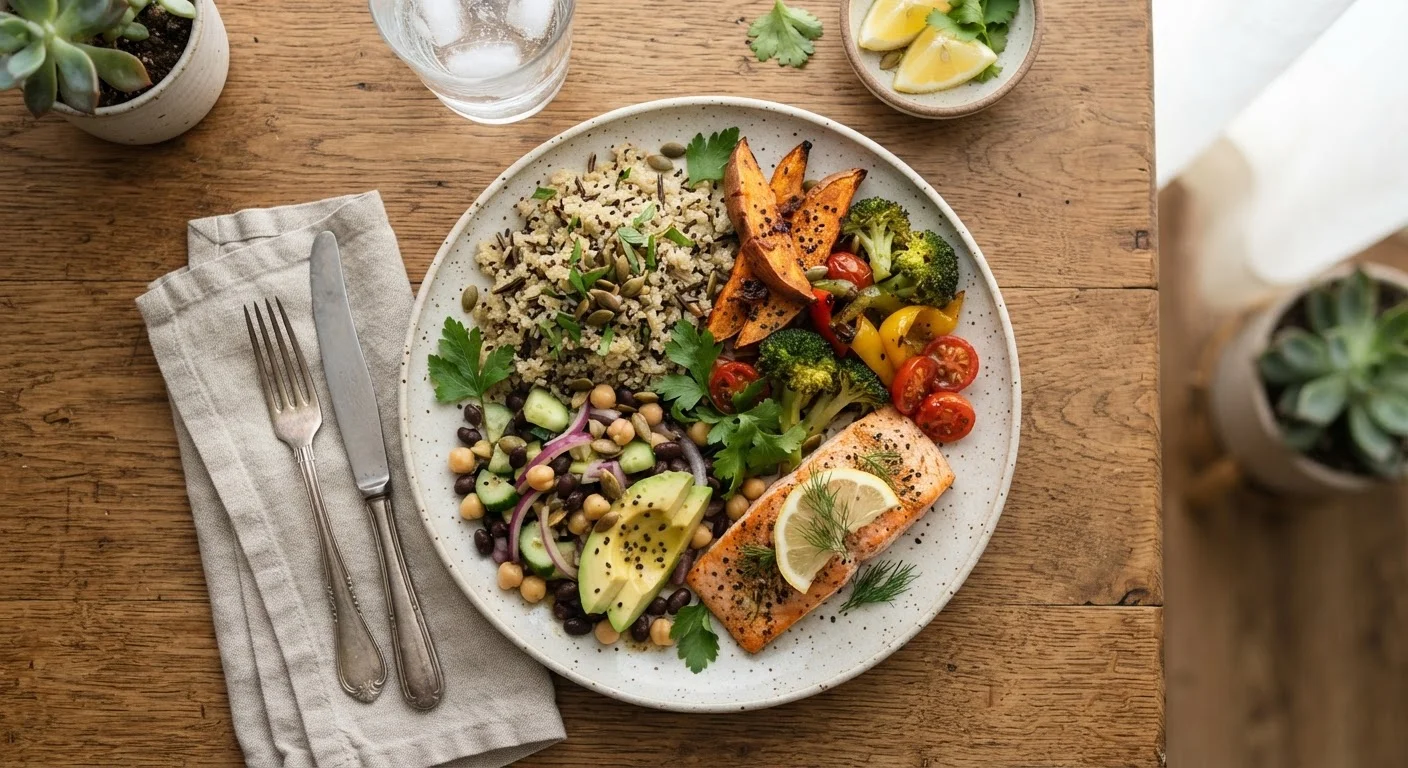
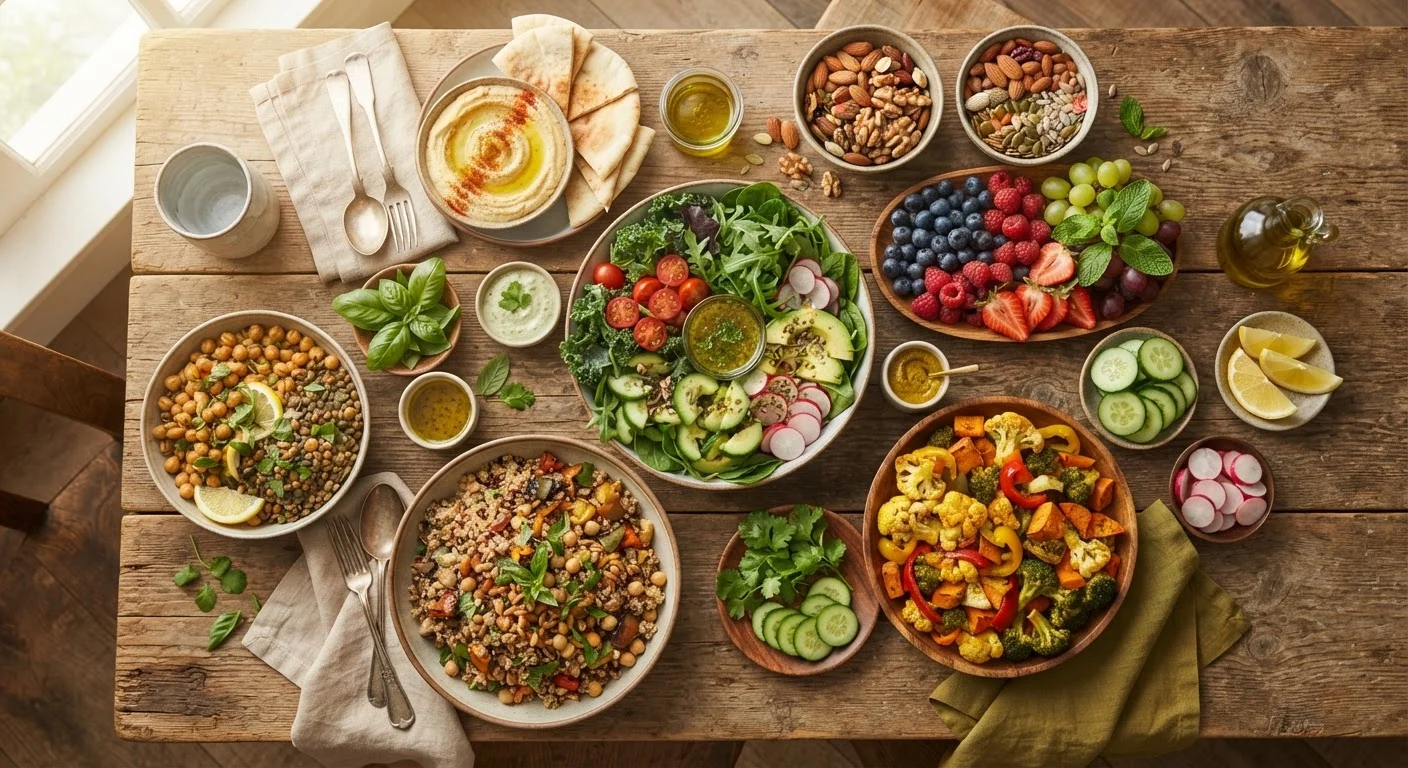
Transitioning toward plant-based eating doesn't have to be all-or-nothing. Gradual shifts - adding more legumes, experimenting with grain bowls, swapping one or two meat-based meals per week - tend to be more sustainable than sudden overhauls. Building a healthier plate outlines practical principles that apply across eating patterns.
For those committed to a fully plant-based approach, a few practical steps reduce nutritional risk: include a reliable source of vitamin B12 (typically through fortified foods or supplementation, discussed with a healthcare provider), consume a variety of protein sources across the day, and consider periodic blood work to monitor iron, vitamin D, and B12 levels. Individual needs vary - particularly for pregnant individuals, children, older adults, and those managing chronic conditions - and professional guidance is especially important for these groups.
This article provides general nutrition information for educational purposes only and is not a substitute for personalized medical or dietary advice. Consult a qualified healthcare professional or registered dietitian before making significant changes to your diet, especially if you have existing health conditions.