
Why Eating Patterns Matter More Than Single Foods
Nutrition headlines often zoom in on a single ingredient - the danger of red meat one week, the power of blueberries the next. But decades of population research consistently point to something bigger: it's the overall eating pattern - the combination of foods consumed regularly over time - that most reliably predicts long-term health outcomes.
This distinction matters because it shifts the focus away from magical superfoods or forbidden ingredients and toward the realistic, day-to-day choices that accumulate over years. For a deeper look at which nutrition headlines deserve skepticism, see our piece on popular nutrition claims that don't hold up to the evidence.
The patterns described here are backed by large-scale epidemiological studies, clinical trials, and guidance from institutions such as the American Heart Association and the Dietary Guidelines Advisory Committee - not single, isolated findings.
This article is for general informational and educational purposes only. It is not medical or dietary advice. Speak with a qualified healthcare professional or registered dietitian before making significant changes to your diet.
Eating Patterns With Strong Research Support
While no eating pattern is universally perfect for every individual, several have demonstrated consistent associations with reduced risk of chronic disease, improved cardiovascular health, and greater longevity across diverse populations.
Prioritize a Mediterranean-style eating pattern as a foundation.
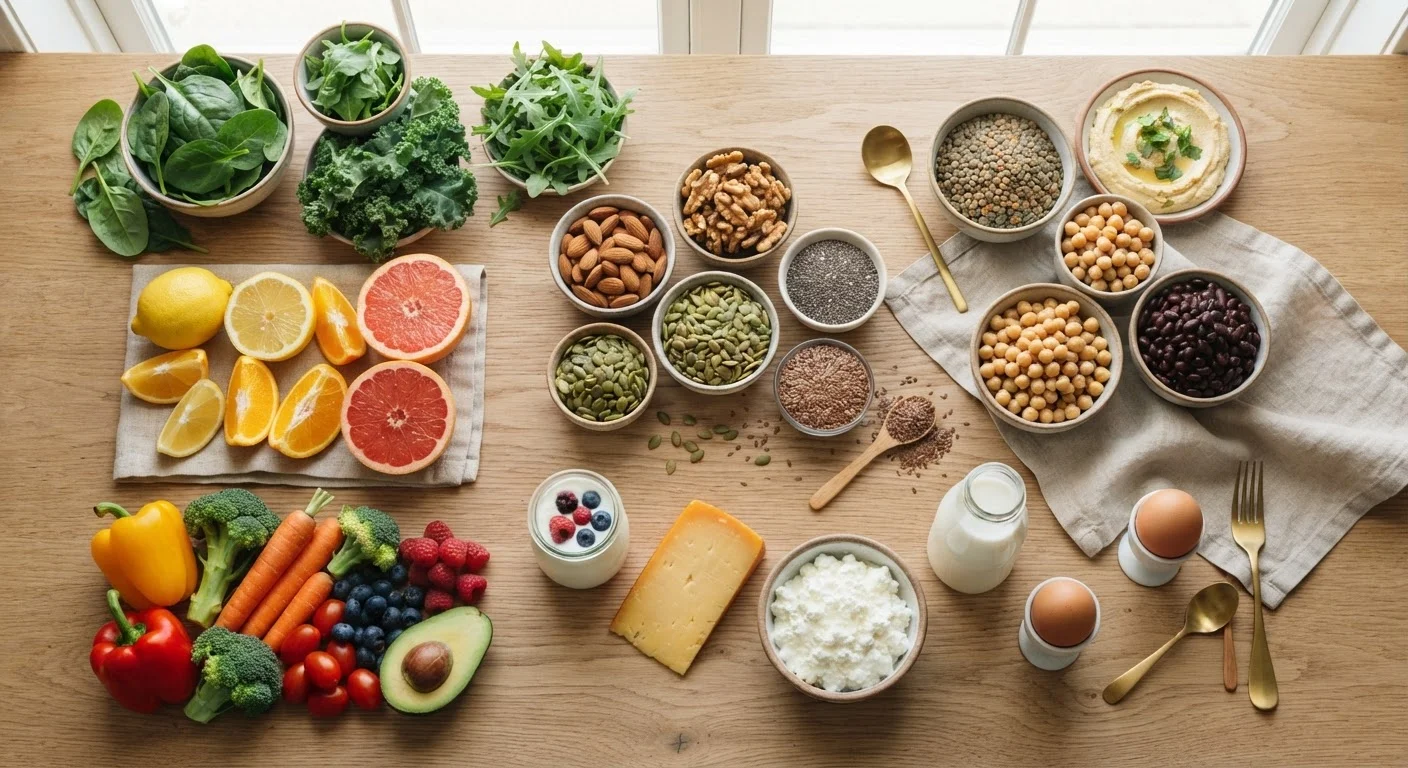
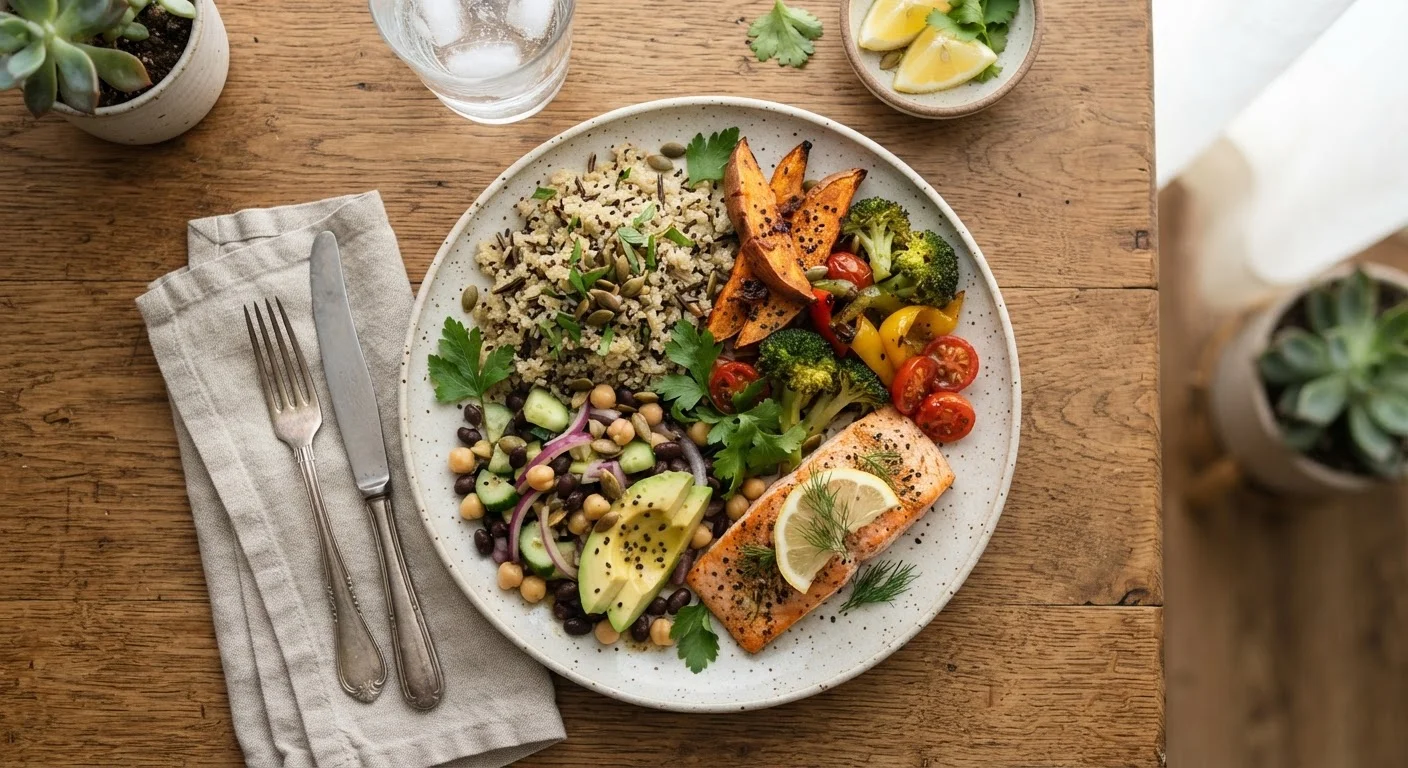
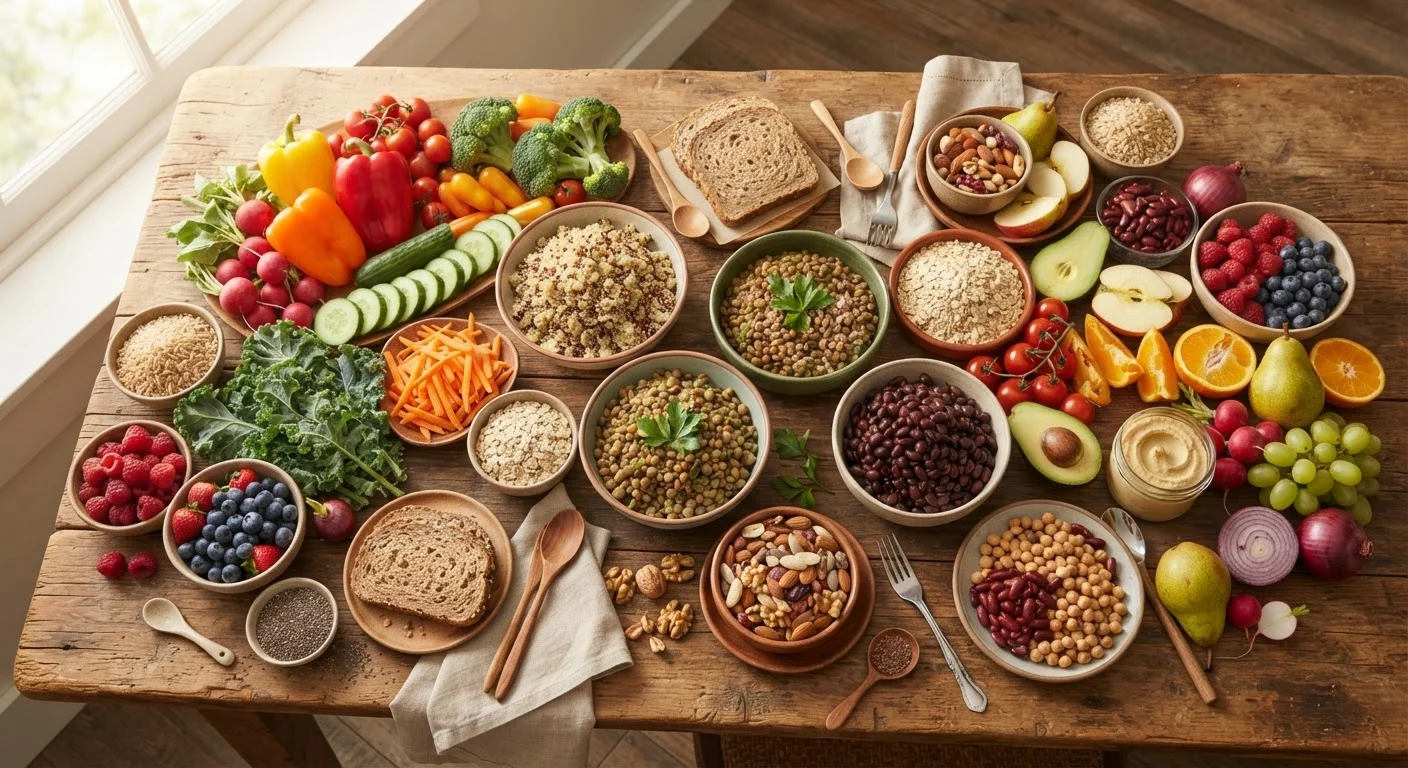
The Mediterranean diet - characterized by abundant vegetables, fruits, whole grains, legumes, nuts, olive oil, and moderate fish - is among the most extensively studied dietary patterns in the world. Large trials such as PREDIMED have associated it with meaningfully lower rates of cardiovascular events. Its emphasis on minimally processed whole foods and healthy fats makes it both nutritionally robust and practical to maintain.
Follow DASH principles if blood pressure or heart health is a concern.
The DASH (Dietary Approaches to Stop Hypertension) diet was designed specifically to address high blood pressure and has been validated in multiple clinical trials. It emphasizes vegetables, fruits, low-fat dairy, whole grains, and lean proteins while limiting sodium, saturated fat, and added sugars. Research shows it can reduce systolic blood pressure within a few weeks of consistent adherence.
Shift toward plant-forward eating, even without going fully vegetarian.
Substantial evidence links higher intake of plant-based foods with lower risks of type 2 diabetes, cardiovascular disease, and some cancers. A plant-forward pattern doesn't require eliminating animal products entirely - it simply means making plants the primary focus of most meals. Research suggests this approach benefits health regardless of whether the diet is completely vegan or includes modest amounts of animal foods.
Minimize ultra-processed foods across all meal occasions.
Ultra-processed foods (highly engineered products with multiple additives, preservatives, and refined ingredients) have been associated in observational research with higher rates of obesity, cardiovascular disease, and all-cause mortality. While the field is still developing, the consistent direction of findings across multiple large cohort studies makes reducing these foods a broadly supported recommendation. For more on this topic, see our article on ultra-processed foods and what the evidence shows.
Eat in a way you can realistically sustain over the long term.
Dietary patterns that are highly restrictive or at odds with cultural preferences, family habits, or food access tend to be abandoned. Research on diet adherence consistently shows that sustainability predicts outcomes more reliably than theoretical perfection. A moderately healthy diet maintained for years will typically outperform an ideal diet followed for weeks.
For practical guidance on translating these patterns into everyday meals, our article on building a healthier plate covers enduring principles worth applying.
Small, Consistent Steps You Can Take Now
Overhauling your entire diet at once is rarely sustainable. Research on behavior change suggests that small, incremental shifts - made consistently over time - are far more likely to stick than dramatic restrictions. The goal is progress, not perfection.
Eating well doesn't require a premium grocery budget either. Our guide on nutrition on a budget offers practical, evidence-grounded strategies for making balanced meals work with what you have. And because nutritional needs shift across life stages, it's worth reviewing how dietary needs shift as you age to ensure your pattern keeps pace with your body's changing priorities.