
Why Nutrition Principles Matter More Than Trends
Every few years, a new dietary trend captures public attention - whether it's eliminating entire food groups, focusing on a single superfood, or following a highly restrictive eating protocol. Most of these trends fade, but a core set of nutritional principles has remained remarkably stable across decades of research. Understanding these principles helps consumers make decisions grounded in evidence rather than marketing or media cycles.
Nutrition science is genuinely complex, and researchers continue to refine their understanding. That said, some findings have replicated so consistently across diverse populations and study designs that they form a reliable foundation. This article focuses on those durable principles - the ones that hold up whether you're eating on a modest budget or navigating a specific health condition. For a closer look at common claims that don't hold up, see popular nutrition claims that don't hold up to the evidence.
This article provides general nutrition information and education. It is not medical or dietary advice. Please consult a qualified healthcare professional or registered dietitian for guidance specific to your health circumstances.
The Foundation: What a Balanced Plate Actually Looks Like
The concept of a balanced plate - promoted by institutions like the Harvard T.H. Chan School of Public Health through its Healthy Eating Plate model - offers a practical, visual framework that aligns with consistent nutritional research:
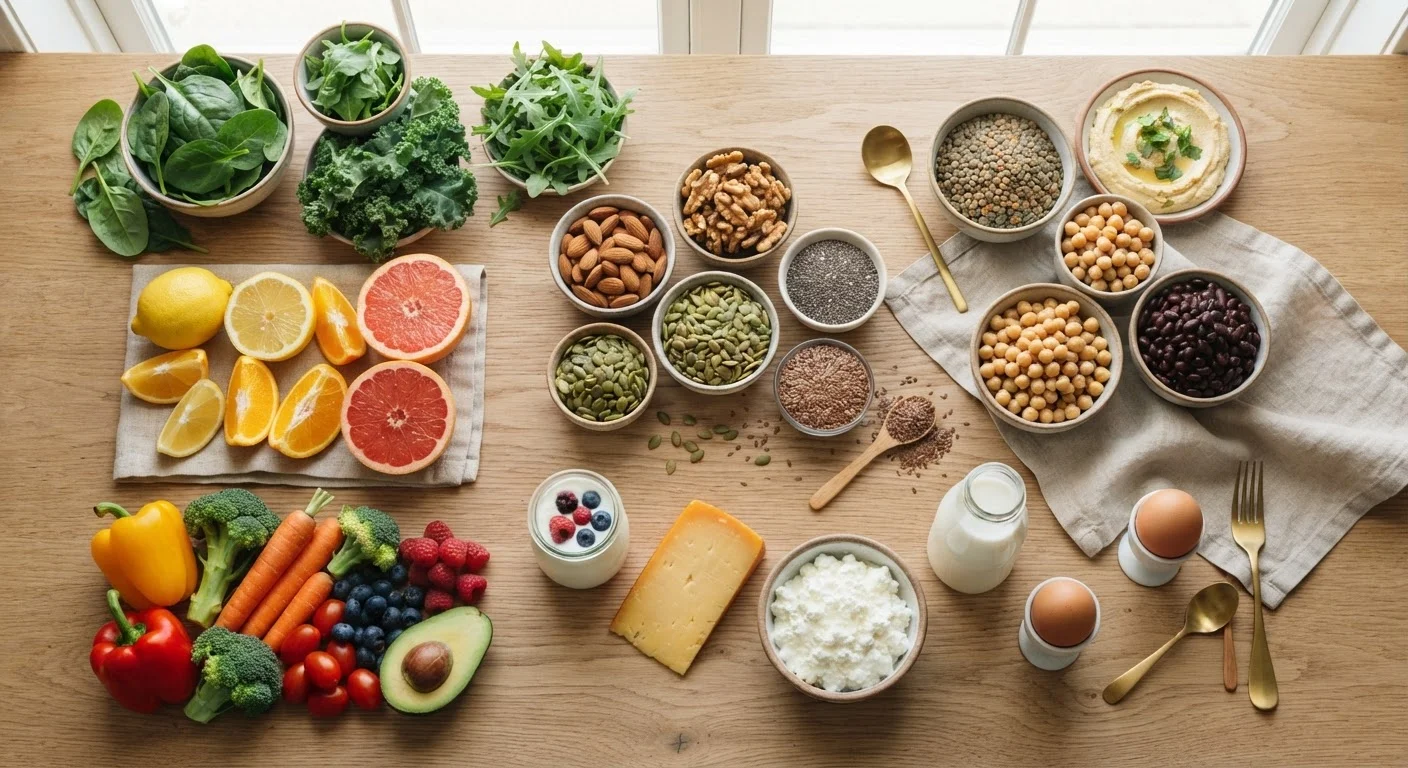
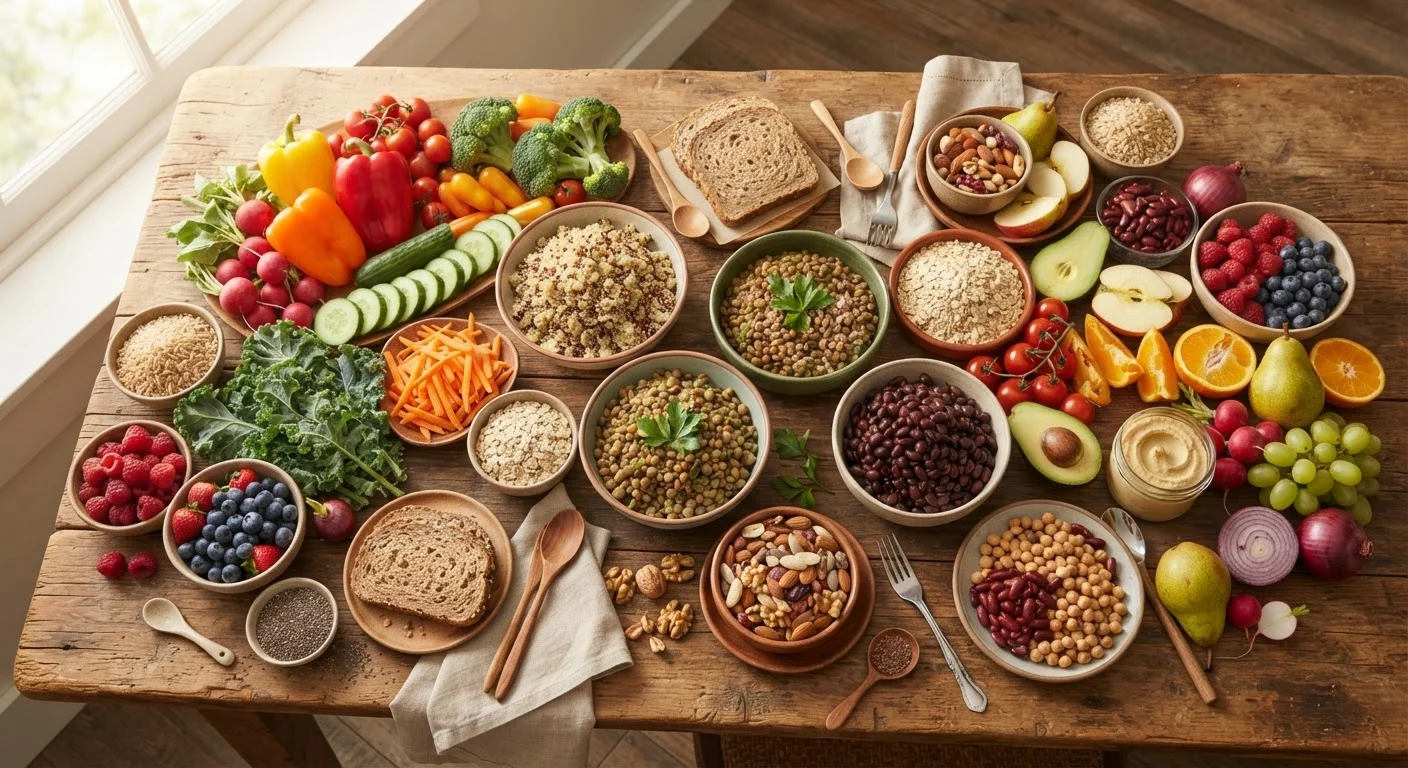
- Half the plate: vegetables and fruits. Prioritize variety and color. Non-starchy vegetables (leafy greens, broccoli, peppers, carrots) should dominate, with fruit as a complement rather than a centerpiece.
- One quarter: whole grains. Whole wheat, oats, brown rice, quinoa, and similar intact grains provide fiber, B vitamins, and slower-digesting carbohydrates compared to refined alternatives.
- One quarter: quality protein. Fish, poultry, legumes, nuts, and eggs are well-supported options. Red and processed meats appear in smaller amounts in the most studied healthy dietary patterns.
- Healthy fats on the side. Olive oil, avocado, and nuts provide unsaturated fats associated with cardiovascular benefit in research.
This isn't a rigid prescription - it's a proportion model. Meals won't always look exactly like this, and that's fine. The pattern across a week matters far more than any single meal.
Think of your plate proportions across the week, not just at each meal. A breakfast heavy on whole grains and a dinner rich in vegetables can balance a lunch that was less structured.
Dietary patterns and cumulative food choices over days and weeks are what epidemiological research tracks - not individual meals - making weekly consistency a more realistic and effective goal than meal-by-meal perfection.
When reading ingredient labels, position matters: ingredients are listed by weight, so the first three tell you the most about what you're actually eating.
Understanding label structure helps consumers quickly assess whether a product is primarily a whole food or a processed one - a distinction that research consistently links to health outcomes.
Macronutrients: Getting the Balance Right
Macronutrients - carbohydrates, proteins, and fats - are the energy-providing components of food. Nutrition debates often center on which macronutrient to emphasize or restrict, but research consistently suggests that quality and source matter more than precise ratios for most people.
Carbohydrates
Carbohydrates are the body's primary fuel source. The distinction that research supports most strongly is between refined carbohydrates (white bread, sugary beverages, pastries) and complex carbohydrates (legumes, vegetables, whole grains). Diets high in refined carbohydrates and added sugars are consistently linked to metabolic risk, while fiber-rich carbohydrates are associated with lower rates of cardiovascular disease and type 2 diabetes in large observational studies.
Proteins
Protein supports muscle maintenance, immune function, and satiety. Most Americans consume adequate total protein, but the source is where dietary patterns diverge. Plant-based proteins (beans, lentils, tofu, tempeh) and seafood appear frequently in the healthiest studied dietary patterns. See our overview of plant-based eating benefits and trade-offs for more detail.
Fats
Dietary fat is essential - it supports cell function, hormone production, and absorption of fat-soluble vitamins. Unsaturated fats (found in olive oil, nuts, seeds, and fatty fish) are associated with cardiovascular benefit in research. Trans fats, largely removed from the food supply, were associated with clear harm. The evidence on saturated fat continues to be refined, but most guidelines recommend keeping intake moderate.
Micronutrients: Small Amounts, Big Impact
Vitamins and minerals don't provide calories, but they're essential for nearly every biological process - from immune defense and bone density to energy metabolism and nerve signaling. Most people who eat a varied diet rich in whole foods get adequate amounts of most micronutrients. Gaps are more common in restrictive diets, highly processed-food diets, or among specific populations.
Common shortfalls in the U.S. population, according to national dietary surveys, include vitamin D, calcium, potassium, and dietary fiber. Iron deficiency is particularly relevant for women of reproductive age. Vitamin B12 is a key consideration for those following strictly plant-based diets, since it occurs naturally almost exclusively in animal products.
For a deeper grounding in what specific vitamins and minerals do and how to get them through food, our plain-language guide to vitamins and minerals is a useful starting point. Supplementation may be appropriate for some individuals, but the evidence generally supports food-first approaches - and supplements cannot replicate all the benefits of whole foods. Talk with a healthcare provider before adding supplements to your routine.
Eating Patterns That Research Consistently Supports
Rather than focusing on individual foods or nutrients in isolation, nutrition science increasingly emphasizes dietary patterns - the overall combination of what people eat across time. Two patterns have the most robust research support:
- Mediterranean-style eating: Characterized by abundant vegetables, legumes, whole grains, olive oil, fish, and moderate dairy and poultry. Decades of research associate this pattern with lower rates of cardiovascular disease, cognitive decline, and all-cause mortality.
- Plant-forward diets: Diets that emphasize plant foods - without necessarily excluding all animal products - are consistently linked to favorable health outcomes. These include vegetarian, flexitarian, and DASH (Dietary Approaches to Stop Hypertension) patterns.
What these patterns share: they are high in fiber, rich in diverse plant foods, low in ultra-processed foods, and moderate in total animal protein. Explore eating patterns that research links to long-term health for a more detailed comparison of studied dietary frameworks.
It's worth noting that nutritional needs also shift over a lifetime. What supports health in your 30s may differ from what's most important in your 60s - a topic covered in our article on how dietary needs shift as you age.
Practical Steps Toward a More Nutritious Diet
Translating nutritional evidence into daily habits is where most people get stuck. These practical principles - drawn from the same evidence base that supports the dietary patterns above - tend to work across a wide range of budgets, schedules, and preferences:
- Add before you subtract. Focus first on adding more vegetables, legumes, and whole grains before eliminating foods. This approach tends to be more sustainable and less mentally burdensome than restriction.
- Reduce ultra-processed food gradually. Foods engineered for hyper-palatability and long shelf life - heavily processed snacks, sugary beverages, fast food - are consistently associated with excess intake and poorer health markers. You don't need to eliminate them entirely, but shifting their proportion over time is meaningful.
- Cook more at home when possible. Home-prepared meals generally contain less sodium, fewer additives, and more whole food ingredients than restaurant or convenience options, according to research published in nutritional epidemiology journals.
- Stay hydrated with water. Replacing sugary beverages with water or unsweetened options is one of the higher-impact, lower-effort changes most Americans can make.
- Plan for practicality. A nutritious diet that's too expensive or time-consuming to maintain won't stick. See nutrition on a budget for evidence-grounded strategies that work within real-world constraints.
This article is for general informational and educational purposes only and does not constitute medical or dietary advice. Individual nutritional needs vary based on health status, age, medications, and other factors. Consult a registered dietitian or qualified healthcare provider for personalized guidance.