Why Pre-Trip Checks Matter More Than Most Drivers Realize
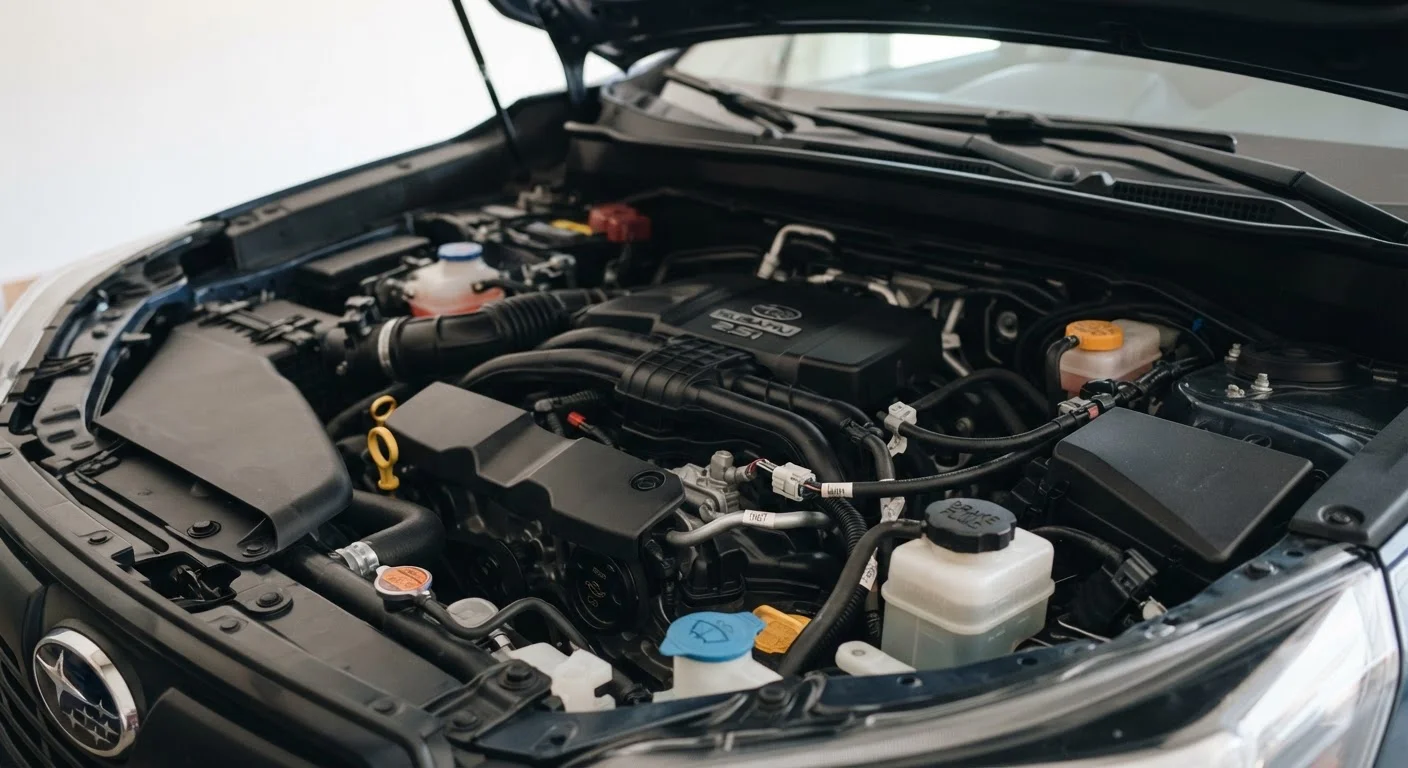
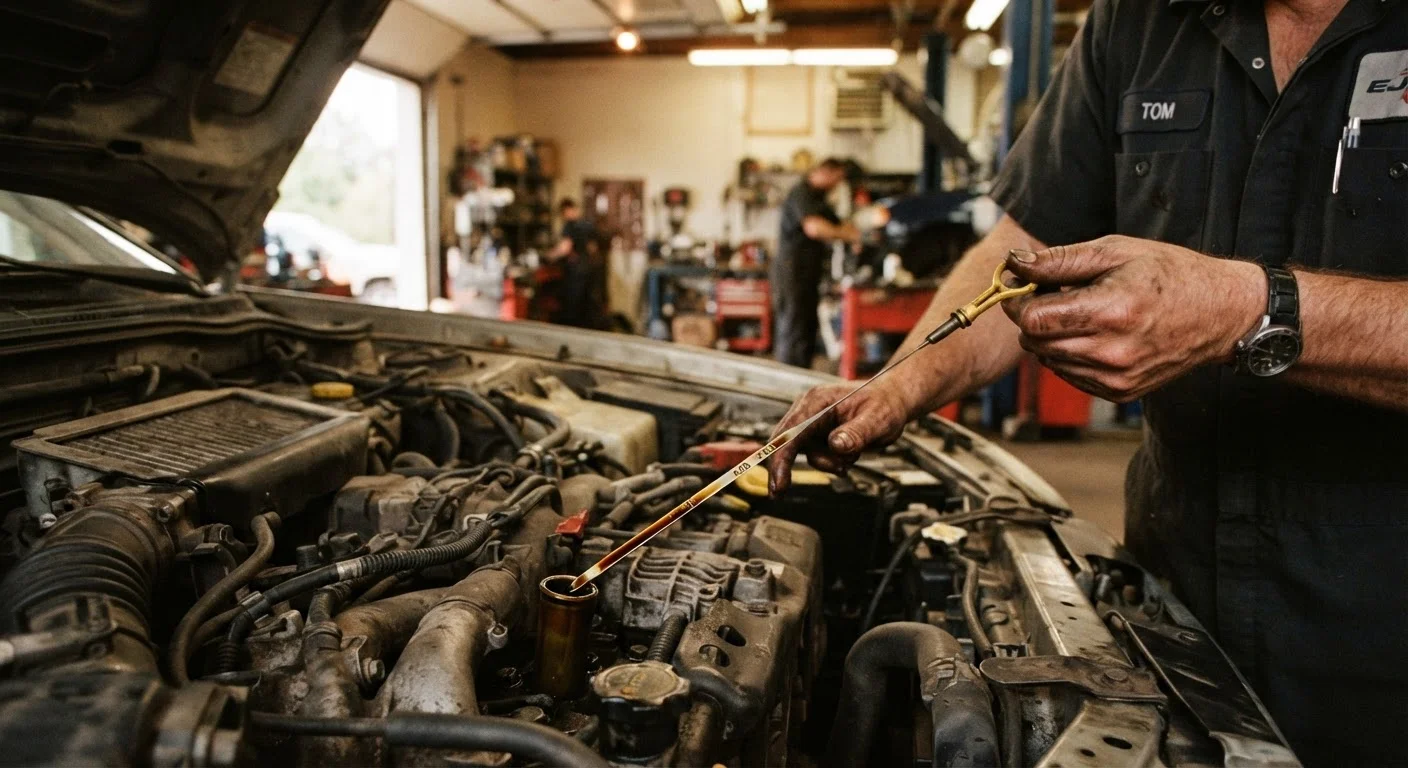
Most drivers hop in, start the engine, and go. That's understandable - especially for short commutes. But a quick check before you drive can catch problems that are far easier to fix in your driveway than on the side of a highway.
These checks aren't about being overly cautious. They're about spending two to five minutes now to avoid spending two to five hours - and potentially hundreds of dollars - dealing with a preventable breakdown or unsafe condition. For longer road trips, bump that time to around ten minutes, and your margin of safety grows considerably.
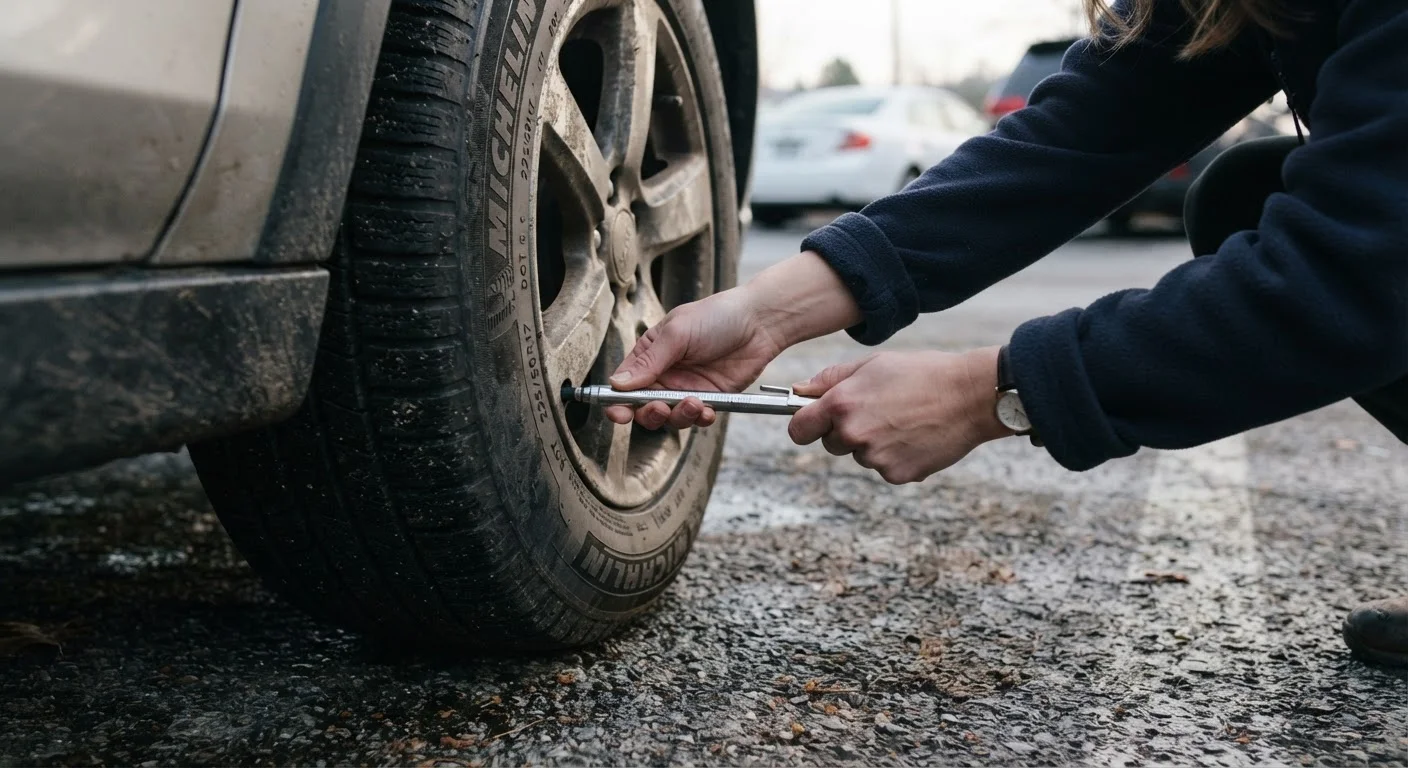
This checklist is organized into what to do outside the car first, then what to confirm once you're inside. Most items take seconds. A few require a little more attention. Together, they form a practical habit that holds up whether you're running an errand or driving across three states. For a deeper dive into one of the most critical areas, see our guide to tire care for everything from pressure to tread depth.
Outside the Vehicle
Lights and Visibility
Inside the Vehicle
For Longer Trips (Additional Checks)
What to Bring and How to Use This List
You don't need a mechanic's toolkit for these checks. A few basic items make the process smoother.
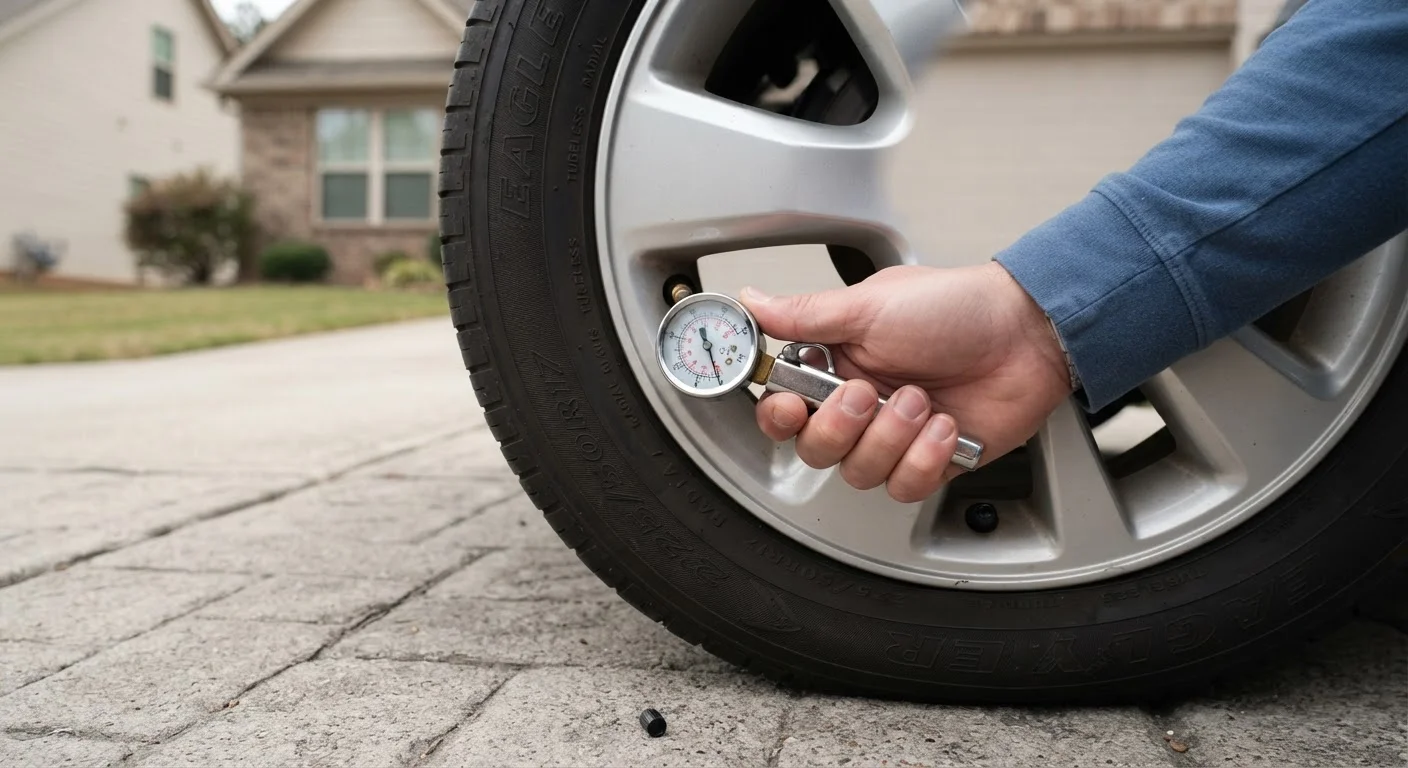
Tire pressure gauge
Accurately measures tire pressure so you can compare it against the manufacturer's recommended PSI.
Flashlight or phone torch
Helps you inspect tires, under the hood, and under the vehicle in low-light conditions.
Windshield washer fluid (spare bottle)
Useful to top off the washer reservoir before a long trip or during winter months.
Roadside emergency kit
Contains jumper cables, reflectors, a first-aid kit, and other essentials for unexpected situations.
For everyday short trips, you can reasonably skip some of the "nice to have" items on this list. But for any drive over an hour - or if your vehicle has been sitting for more than a few days - it's worth going through the full list. Think of it as a habit, not a chore.
If you're planning an extended road trip or heading into cold weather, some of these checks become even more critical. Our winter driving preparation checklist covers battery, tires, and fluids specifically for cold conditions. And if you want a bigger-picture view of your vehicle's overall health, the annual car ownership audit is a useful companion resource.
Don't Check Coolant When the Engine Is Hot
Opening the coolant reservoir cap on a hot engine can cause pressurized fluid to spray and cause burns. Always let the engine cool completely - typically at least 30 minutes after running - before checking or adding coolant. If you're unsure whether the engine has cooled, wait longer or have a mechanic check it.
These checks are general guidance for everyday drivers. If you notice something that looks unusual - a visible fluid leak, a warning light you don't recognize, or a tire that appears visibly damaged - have it inspected by a qualified mechanic before driving.