Why Passengers Change Driver Behavior
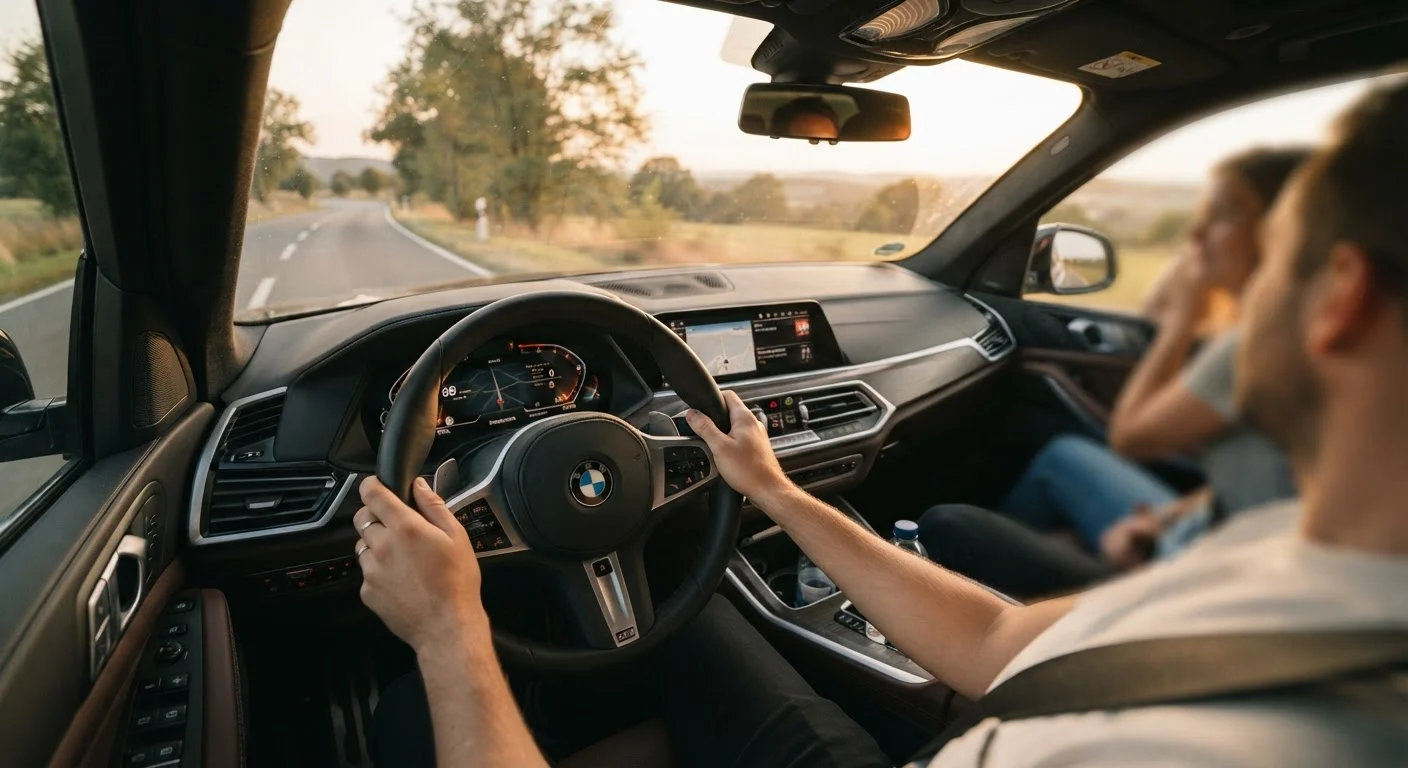
Most drivers assume they drive the same way whether they're alone or accompanied. Research suggests otherwise. The presence of passengers subtly reshapes how drivers feel, think, and respond behind the wheel - often without any awareness that it's happening.
At the core of this effect is social context. Driving is a cognitively demanding task, but it's also a social one when others are present. Drivers become more aware of how they appear to their passengers. This awareness can manifest as showing off, keeping pace with group conversation, or simply feeling more relaxed and less vigilant about hazards.
The direction of that shift - toward more risk or less - depends largely on who's in the car and what kind of relationship the driver has with them.
Risk Cuts Both Ways
While passengers are often a source of distraction, a calm and attentive adult co-pilot can occasionally reduce risk - by alerting the driver to a hazard, helping with navigation, or simply keeping the driver more alert on long stretches. The key distinction is whether the passenger is adding to or drawing from the driver's available attention.
The Teen Driver Problem Is Well Documented
No group shows the passenger effect more clearly than teenage drivers. Multiple decades of crash data and behavioral studies point to peer passengers as one of the most significant risk factors for drivers under 20.
The AAA Foundation for Traffic Safety and similar research bodies have found that teen drivers are more likely to run red lights, speed, and reduce following distance when peer-age passengers are present. The risk isn't simply about distraction - it's about social performance. Teens often feel implicit pressure to appear confident or bold in front of friends, which translates into riskier decisions at the wheel.
This is one reason Graduated Driver Licensing laws in most states restrict the number of passengers new drivers can carry. If you have a teen driver at home, the first year on the road carries unique risks worth understanding in detail.
2x+
Crash risk increase for teen drivers with peer passengers
AAA Foundation for Traffic Safety research indicates that carrying two or more teen passengers more than doubles crash risk for novice drivers compared to driving alone.
58%
Teen crash deaths involving risky driver behavior
The CDC has reported that a substantial majority of fatal teen driving crashes involve recognized risky behaviors, with passenger presence frequently cited as a contributing social factor.
~1 in 5
Teen driver distractions attributed to passengers
The AAA Foundation found that passenger distraction is one of the leading identified distractions in teen driver crash videos, ahead of phone use in many study samples.
Adults Aren't Immune to Passenger Influence
It would be a mistake to treat this as a teenager-only problem. Adult drivers also experience measurable effects from passengers - just through different mechanisms.
For adults, the primary risk comes from cognitive distraction rather than social pressure to perform. Holding a conversation requires mental resources. When a discussion becomes emotionally loaded - a disagreement, stressful news, an argument - those resources are drawn away from road monitoring. Studies using eye-tracking technology have shown that drivers engaged in demanding conversations spend less time scanning the road ahead, even when their eyes appear to be forward.
There's also a comfort effect. Driving with familiar passengers can make a driver feel overly relaxed, especially on routine routes. That relaxed state can slow reaction time in moments that demand quick response.
For context on how other factors compound behind the wheel, see our article on the hidden risks of drowsy driving.
Practical Ways to Manage Passenger Dynamics
Understanding the risk is useful. Doing something about it is better. There are straightforward, concrete habits that reduce passenger-related distraction for drivers at any experience level.
- Set ground rules before you leave. Let passengers know before the trip starts that you may go quiet in heavy traffic or at complex intersections. Most passengers respect this when it's stated upfront.
- Keep emotionally intense conversations off the road. If a conversation becomes heated or requires real mental engagement, it's reasonable to say you'll continue it when parked.
- Limit passenger counts voluntarily. Even if the law or the vehicle allows more riders, fewer passengers generally means fewer competing stimuli.
- Ask passengers to help, not distract. A front-seat passenger can assist with navigation or watching mirrors - turning a potential distraction into an asset.
The same social awareness that creates risk can be redirected. Drivers who openly acknowledge that their focus is on safe driving tend to set a tone that passengers follow.
These habits also pair well with defensive driving principles - see defensive vs. aggressive driving for a broader look at how decisions stack up on the road.
Talk Before You Drive, Not During
One of the most effective moments to set expectations is before the car moves. Letting passengers know your focus is on safe driving - especially in unfamiliar areas or poor conditions - removes the social awkwardness of going quiet mid-route. Most passengers are more cooperative than drivers expect when the request is made calmly and early.