Why the First Year Is the Riskiest
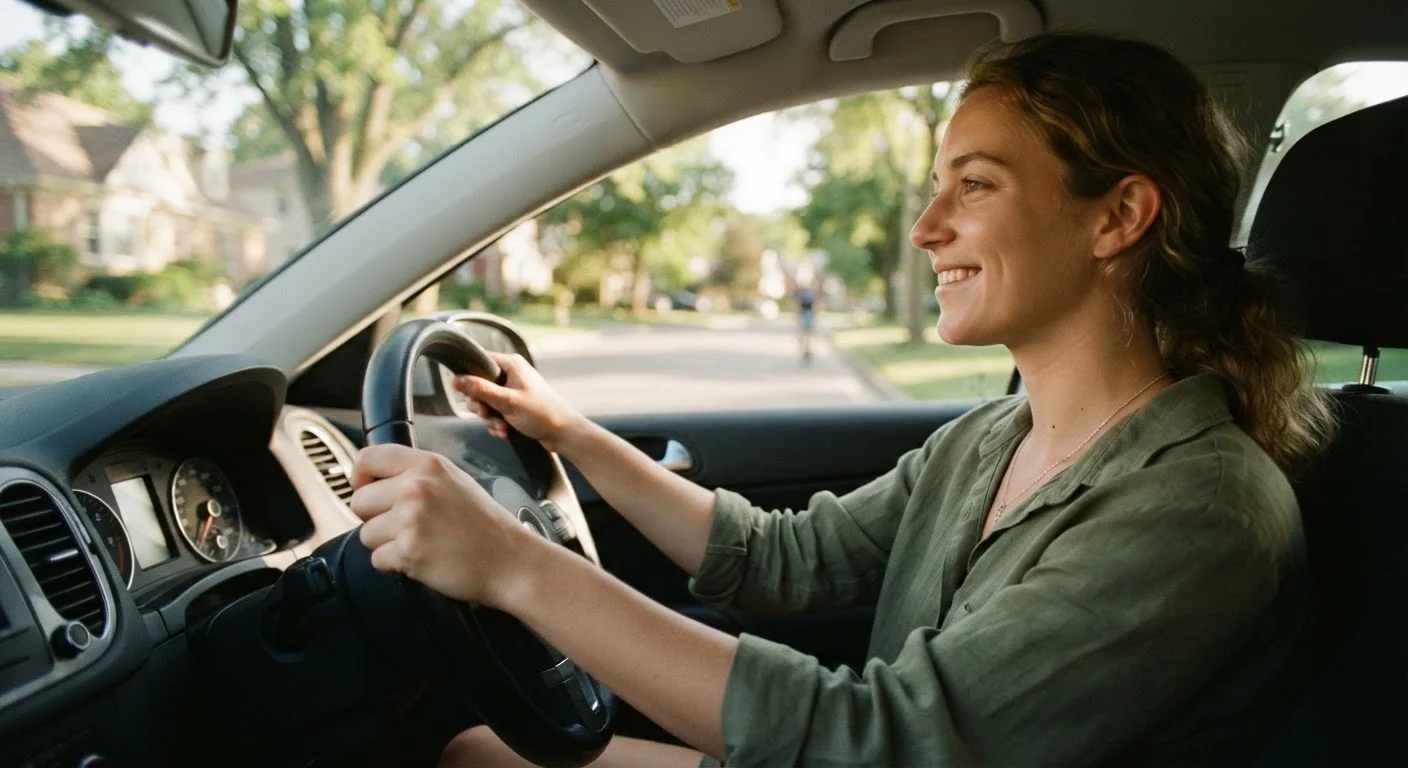
Getting a license is a milestone, but it's also the start of the most dangerous stretch of your driving life. Studies from highway safety organizations consistently show that new drivers - particularly those in their first 12 months - are involved in crashes at rates far higher than more experienced drivers.
The reasons aren't mysterious. New drivers haven't yet built the automatic hazard-recognition skills that come with thousands of hours behind the wheel. They're making conscious decisions about things experienced drivers handle without thinking: following distance, mirror timing, reading intersection flow. That mental load leaves less attention available for the unexpected.
Understanding that risk isn't meant to be discouraging - it's meant to be useful. The drivers who get through the first year safest are usually those who respect the learning curve rather than assume skill arrived with the license.
Hazard perception
The ability to recognize potential dangers on the road - like a car about to pull out or a pedestrian stepping off a curb - before they become emergencies. This skill develops gradually with driving experience.
Following distance
The gap between your car and the vehicle in front of you. A larger following distance gives you more time to react and brake if traffic stops suddenly.
Liability coverage
The portion of auto insurance that pays for damage or injury you cause to other people and their property. Most states require a minimum amount by law.
Defensive driving
A driving approach focused on anticipating hazards and the mistakes of other drivers, rather than just responding to them. It's about staying one step ahead of potential problems.
Blind spot
An area around your vehicle that your mirrors don't show. Checking blind spots requires a quick glance over your shoulder before changing lanes.
Core Habits to Build from Day One
The habits that keep you safe long-term are easiest to build at the start, before shortcuts become second nature. A few are worth treating as non-negotiable from your very first solo drive.
- Phone goes face-down or out of reach. Even glancing at a notification takes your eyes off the road for several seconds - enough to travel the length of a football field at highway speeds.
- Adjust mirrors before you start the engine. Making this part of your pre-drive routine means you'll never pull out with a blind spot you didn't check.
- Follow the three-second rule for distance. Pick a fixed point ahead and count three seconds between when the car in front passes it and when you do. In bad conditions, extend that gap.
- Signal early and consistently. Turn signals aren't just legal requirements - they give other drivers time to respond, which makes every lane change safer.
None of these habits are difficult. The challenge is consistency. A few uneventful weeks can make shortcuts feel harmless, and that's when complacency becomes a real risk.
Situations That Catch New Drivers Off Guard
Certain driving scenarios are genuinely harder than they look, and new drivers often encounter them before they feel ready.
Weather and Low Visibility
Rain, snow, and fog change everything - stopping distances, visibility, and how other drivers behave. If you haven't driven much in bad weather yet, don't wait until a storm forces it. Practice deliberately in light rain before you face a downpour on a busy highway. Our guide to driving in rain, snow, and fog covers the specific adjustments each condition requires.
Night Driving
Visibility drops significantly after dark, and fatigue becomes a real factor. Headlights illuminate less than drivers often assume. Slow down slightly and increase your following distance - the same speed that felt fine in daylight gives you less reaction time at night.
Highway Merging
Merging onto a highway requires matching speed, reading gaps, and committing decisively - all at once. Many new drivers either slow down too much on the ramp or hesitate at the merge point. Practice on lighter-traffic highways first, and remember: drivers already on the highway generally have right of way, but experienced drivers also expect merging vehicles and often create space.
City vs. Rural Roads
Urban and rural roads produce very different hazards. The differences between city and rural driving are worth understanding before you spend significant time in either environment.
Practice Intentionally, Not Just Often
Logging miles in the same familiar neighborhood doesn't build the full range of skills you'll eventually need. Set small goals each week: try driving at a new time of day, practice on a road type you haven't used much, or deliberately practice a maneuver you find awkward. Varied practice builds well-rounded skill faster than repetition alone.
Managing the Practical Side of Ownership
Driving safely is only part of the first-year picture. The administrative and financial side of car ownership requires attention too - and surprises here can be expensive.
Insurance: Confirm exactly what your policy covers before you need it. If you're on a parent's policy, understand what happens if you're in an accident with the car. If you have your own policy, know your deductible and the difference between liability, collision, and comprehensive coverage.
Registration and documentation: Keep your registration and proof of insurance in the car at all times. If you move to a different state, there are specific deadlines and requirements for transferring your registration and updating your license - the process of moving a vehicle to a new state involves more steps than most people expect.
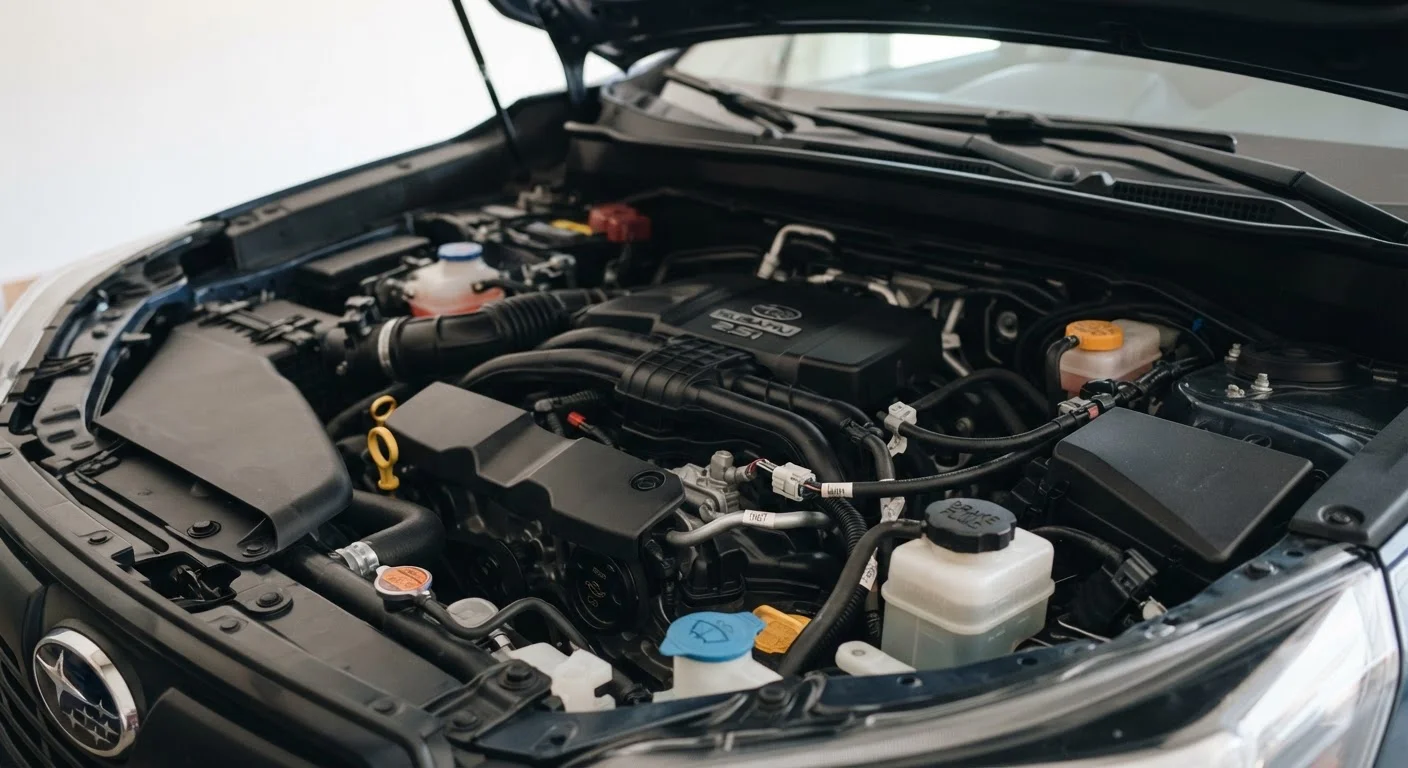
Basic maintenance: Learn to check your oil level, tire pressure, and coolant. These take a few minutes and can prevent breakdowns. The car maintenance fundamentals every driver should know are straightforward even with no mechanical background.
New car owners also frequently underestimate total ownership costs. Our piece on financial pitfalls for new car owners covers the most common money mistakes to avoid in year one.
Building Confidence Over Time
Confidence behind the wheel is earned through varied, deliberate experience - not just miles. Seek out conditions you haven't handled yet: drive at night on purpose, practice parking in tight spaces, take an unfamiliar route. Each new scenario you handle calmly expands your comfort zone and sharpens your reflexes for the next one.
If you feel uncertain about a specific skill - parallel parking, highway driving, backing out of a tight spot - consider a refresher session with a professional driving instructor. Many offer single-session lessons for licensed drivers, not just beginners.
The goal isn't to eliminate nerves entirely; a driver with zero anxiety tends to take unnecessary risks. What you're building is calibrated confidence - knowing what you can handle, respecting what you can't yet, and closing that gap steadily through practice.
The first year ends. The habits you form in it don't.