Why Merging Feels So Hard
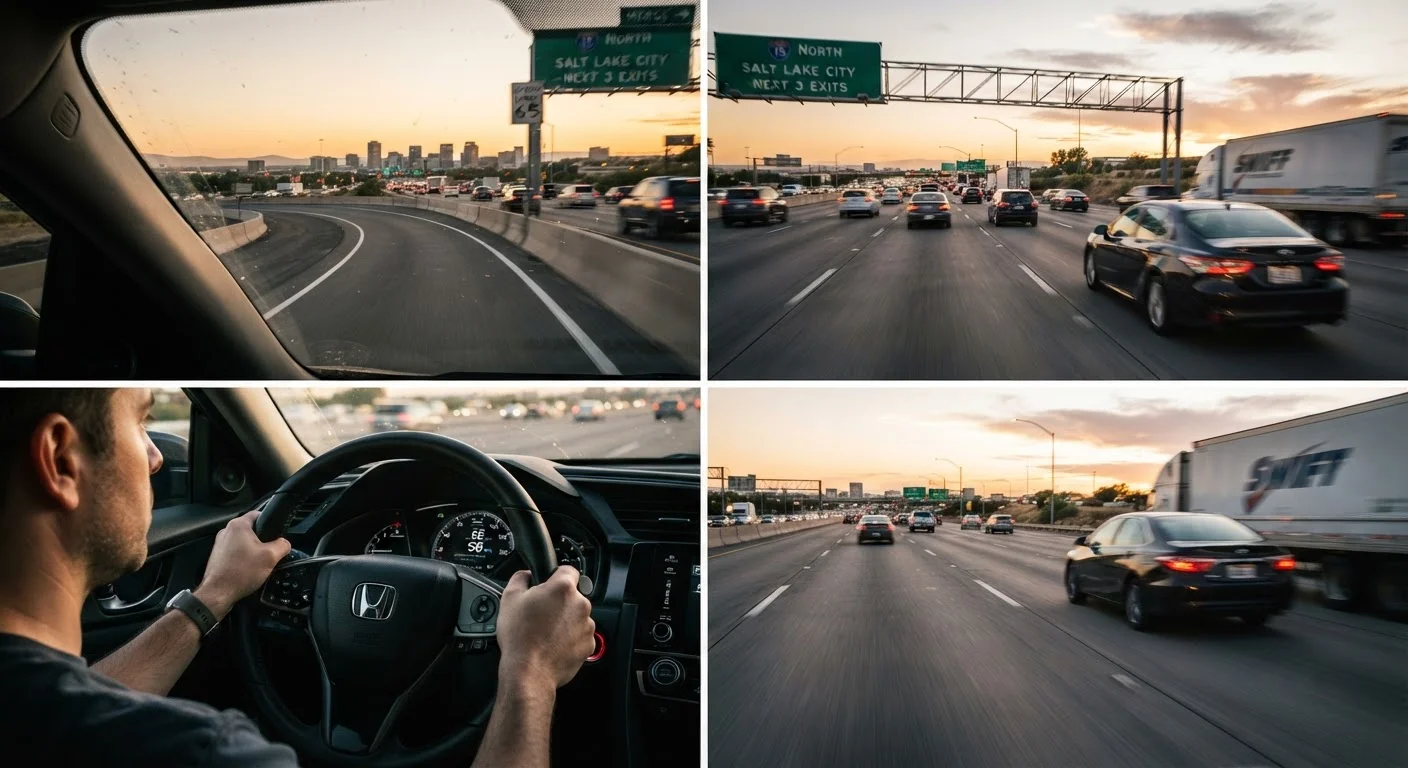
For many drivers, merging onto a highway triggers a level of stress that surface streets never do. The speeds are higher, the gaps close fast, and there's pressure from traffic behind you on the ramp. That anxiety is understandable - but it's often rooted in habits that can be changed rather than any inherent inability.
The core difference between confident highway mergers and nervous ones isn't courage. It's preparation. Experienced drivers have a mental process they run before and during the merge. Newer or anxious drivers often skip that process - or never learned it in the first place. Understanding what that process looks like is the starting point for building real confidence.
See how these dynamics connect to broader road behavior in our look at defensive versus aggressive driving styles.
The Practices That Make the Difference
These are the habits that experienced drivers use consistently - not just occasionally - when entering fast-moving traffic.
Use the full length of the on-ramp to match highway speed before merging.
A speed mismatch between you and highway traffic is the root cause of most merging close calls. Entering at 45 mph when traffic is moving at 65 mph forces other drivers to brake or swerve. Using the entire ramp gives you the distance to accelerate properly.
Check your mirrors and target gap while still on the ramp, not at the merge point.
Looking for a gap at the last second leaves you no time to adjust your speed or timing. Scanning early means you can pace yourself to arrive at the merge point when a gap is available.
Signal before you merge - even when the ramp feeds directly into one lane.
Signaling communicates your intent to other drivers, which gives them a chance to create space or adjust their position. It also reinforces a habit that matters most in high-traffic situations where a small warning makes a real difference.
Commit to a gap once you've chosen it - don't hesitate mid-merge.
Hesitation mid-merge is dangerous because it creates unpredictability for drivers around you. A gap that looked tight may be safer to take decisively than to brake and wait, which can surprise the driver behind you on the ramp.
Check your blind spot with a quick shoulder glance just before entering the lane.
Mirrors have a blind spot - roughly the area beside and slightly behind your vehicle that neither the side nor rearview mirror shows. A fast shoulder check catches any vehicle that has crept into that zone while you were accelerating.
Avoid braking at the merge point unless it's a genuine emergency.
Slowing dramatically at the point of merge is one of the most disruptive things a driver can do in this situation. It surprises following traffic on the ramp and reduces your speed advantage for entering highway lanes. If the gap is gone, it's usually better to adjust speed smoothly while still on the ramp.
Start Acting Before You Reach the Ramp
One thing that separates experienced drivers is when they start gathering information. By the time a nervous driver notices the merge zone ahead, a confident one has already checked the mirror, clocked the speed of highway traffic, and identified a candidate gap. That extra few seconds of lead time makes the actual merge feel much calmer.
If highway merging is new or anxiety-producing for you, it can help to practice deliberately - at lower-traffic times, on familiar roads - so the mechanics become automatic. Many of the same principles apply when conditions are poor. Our guide on driving in rain, snow, and fog covers how reduced visibility and traction change the calculus for entering moving traffic.
New drivers especially benefit from treating the first year on the road as a structured learning period. The first year on the road guide covers the situations and habits that matter most during that high-risk window.