Why Registration Exists and What It Covers
Every state in the U.S. requires drivers to register their vehicles before operating them on public roads. The system exists for several practical reasons: it creates a paper trail of vehicle ownership, helps law enforcement identify cars involved in accidents or crimes, and generates revenue that states direct toward road infrastructure.
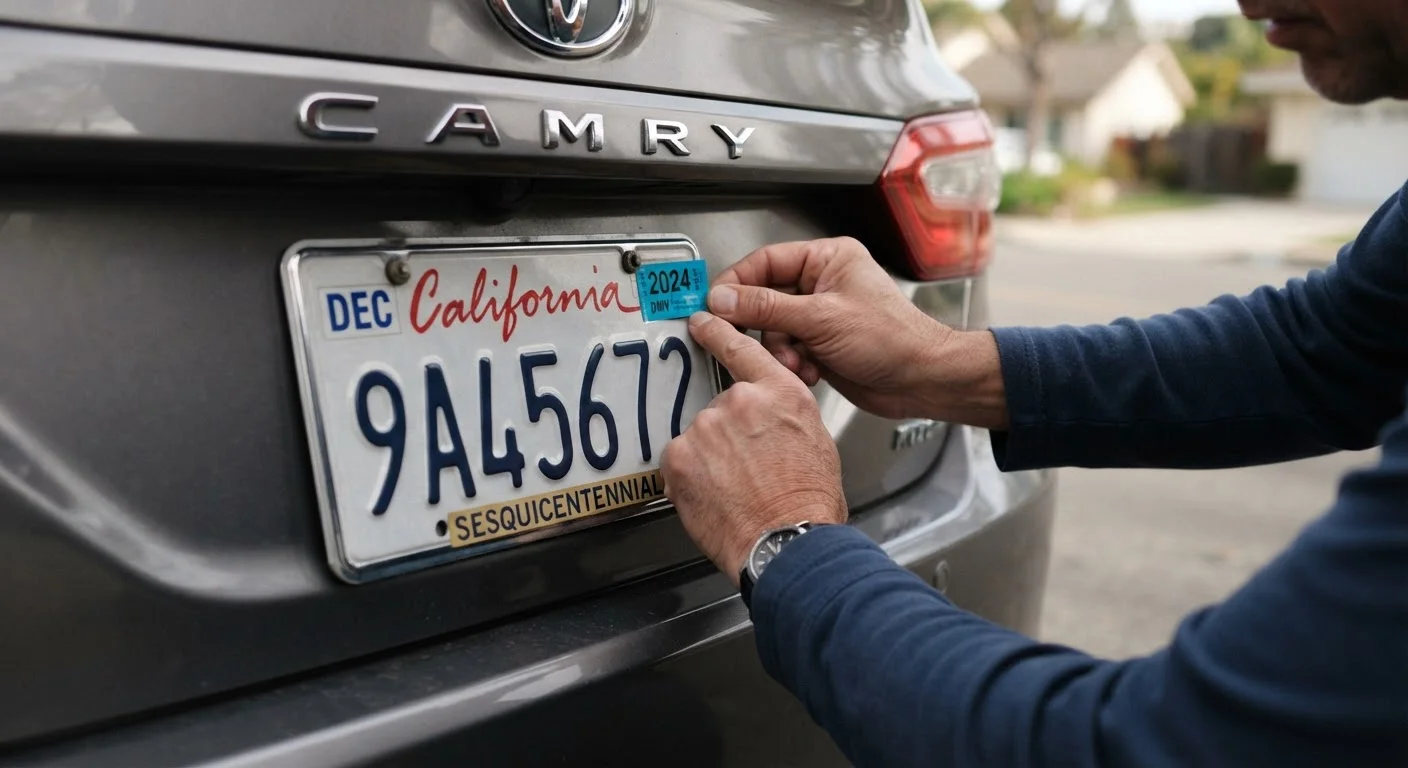
When you complete registration, the state typically issues a registration certificate - a document you're required to keep in the vehicle - along with a license plate or an annual renewal sticker. These serve as visible proof that your car is legally authorized to be on the road.
For a plain-language breakdown of the terms you'll encounter during this process, see our driver's glossary on registration, insurance, and financing.
The Difference Between a Title and Registration
One of the most common sources of confusion is treating titles and registration as the same thing. They're not. A title is a legal document that establishes who owns the vehicle. A registration is ongoing government authorization to drive it. You can own a car (hold the title) without it being currently registered, but you can't legally drive it on public roads in that state.
When you buy a used car from a private seller, you receive the signed title and then use it to apply for registration in your name. Dealerships typically handle both steps at the point of sale, which is why the process feels invisible when you buy from a dealer.
50
States with unique registration rules
Each U.S. state administers its own vehicle registration system, meaning requirements, fees, and deadlines differ significantly depending on where you live.
30-90 days
Typical window to register after moving states
Most states require new residents to re-register their vehicles within this window after establishing residency, though the exact deadline varies by state law.
$50-$500+
Typical annual registration fee range
Registration costs vary widely based on state, vehicle value, weight, and age - some states charge flat fees while others use value-based formulas.
What the Registration Process Actually Requires
The specific requirements vary by state, but most follow a similar pattern. You'll generally need to bring or submit:
- The vehicle title (or lienholder information if the car is financed)
- Proof of valid auto insurance
- A government-issued photo ID
- Odometer disclosure (required for most used vehicle transfers)
- Proof of a passed emissions or safety inspection, where applicable
- Payment for registration fees
Some states allow online or mail-in renewal for existing registrations, which makes the process significantly easier for returning owners. First-time registrations and title transfers almost always require an in-person visit to your state's Department of Motor Vehicles (DMV) or equivalent agency.
How Fees Are Calculated
Registration fees are not uniform across states - or even always uniform within a state. Many states calculate fees based on some combination of the vehicle's age, weight, purchase price, or declared value. Newer or heavier vehicles often cost more to register. Some states have shifted to flat fees regardless of vehicle type, while others have introduced specific surcharges for electric vehicles to offset the loss of gas tax revenue.
Beyond the base registration fee, you may encounter additional charges: county or municipal taxes, emissions testing fees, or a portion that funds specific state programs. The total can range from under $50 in some states to several hundred dollars in others.
Registration costs are worth factoring into your overall car ownership budget. The annual car ownership audit is a useful framework for tracking these recurring expenses alongside insurance and maintenance.
Renewal, Late Fees, and What Happens If You Miss the Deadline
Most states set registration renewal on an annual cycle, though some offer two-year terms. States mail renewal notices to the address on file, but it's your legal responsibility to renew on time - whether or not you receive the notice.
Driving with expired registration is a traffic violation in every state. If you're stopped, you may receive a fine, and in some jurisdictions, the officer has authority to impound the vehicle. Some states offer a short grace period after expiration, but this varies and shouldn't be relied upon.
Late fees are typically added after the expiration date and increase the longer the registration remains lapsed. Keeping your contact information current with the DMV and setting a calendar reminder 30 days before expiration are straightforward ways to avoid this situation.
It's also worth knowing that some traffic laws intersect with registration requirements. Our article on road rules Americans most commonly misunderstand covers related legal nuances that affect everyday drivers.