
From Thrift Stores to Mainstream Platforms
Secondhand shopping used to carry a stigma - it was associated with financial necessity rather than preference. That perception has shifted substantially. Today, resale is a deliberate choice for a wide range of American consumers across income levels, age groups, and product categories.
The shift is partly structural. Digital platforms have made it dramatically easier to list, discover, and purchase used goods without leaving home. What once required a Saturday trip to a thrift store or a garage sale can now happen in minutes on a smartphone. This convenience has removed one of the biggest friction points that kept casual shoppers out of the resale market.
The change is also cultural. Resale is increasingly framed not as settling for less, but as a smarter way to shop - a way to get more value while generating less waste. This reframing has helped attract buyers who might not have considered secondhand goods a few years ago. For context on how this fits into broader shifts in where and how Americans shop, see how shopping habits have evolved across channels.
What's Actually Driving the Growth
Three forces are converging to push the secondhand market upward.
Price pressure. Inflation and rising costs across most consumer goods categories have made price-conscious shopping more attractive to a broader audience. When new goods feel expensive, used alternatives become more appealing - especially for items where brand-new condition isn't essential. Consumer spending behavior often reflects these larger economic pressures, as explored in how spending patterns signal economic shifts.
Environmental awareness. A growing share of consumers report concern about the environmental impact of their purchases. Buying used extends the lifecycle of existing goods and reduces demand for new production. This aligns with broader interest in sustainable consumption, similar to the motivations behind the push toward local buying.
Platform accessibility. Dedicated resale platforms have professionalized what used to be an informal market. Features like buyer protection policies, seller ratings, standardized condition descriptions, and in some categories, authentication services, have reduced the uncertainty that once made secondhand shopping feel risky.
$70B+
Projected U.S. resale market size
ThredUp's resale industry reports have projected the U.S. secondhand apparel market alone reaching over $70 billion within a few years, reflecting sustained growth across the sector.
52%
Americans who have bought secondhand
Various consumer surveys have found that a majority of American adults have purchased a used item in the past year, with younger adults among the most active resale participants.
3x
Resale growth vs. overall retail
Industry analyses have consistently found the resale market growing several times faster than traditional retail, driven by both new platform adoption and repeat buyer behavior.
What Buyers Should Understand Before Diving In
The secondhand market rewards informed buyers and can frustrate those who approach it the same way they'd approach a traditional retail purchase. A few things are worth keeping in mind.
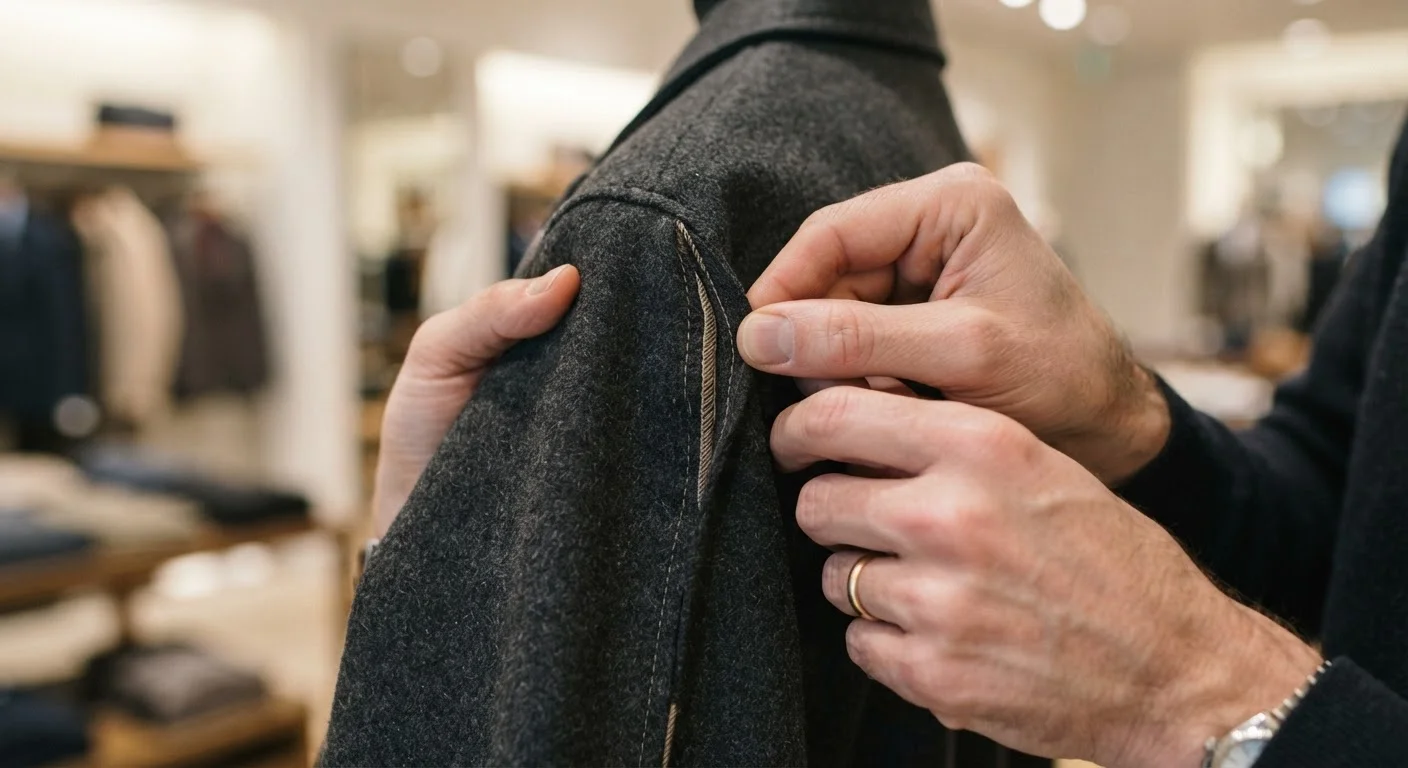
Condition grading is inconsistent. Terms like "like new" or "gently used" mean different things to different sellers. Always look for detailed photos and specific descriptions of wear. When buying through a platform, understand what their condition standards actually mean - not all are defined the same way.
Return policies vary enormously. Some resale platforms offer straightforward returns; peer-to-peer sales are often final. Know the policy before you pay.
Research the going rate. Unlike retail, resale prices aren't standardized. The same item might be listed at wildly different prices across platforms. Checking multiple sources before buying helps you recognize genuine value versus an inflated ask.
Factor in total cost. Shipping, any authentication fees, and the cost of minor repairs can narrow the gap between resale and new. Do the full math before assuming a used item is automatically a better deal.
It's also worth noting that resale shopping intersects with social discovery - many buyers first encounter secondhand items through social feeds and recommendation algorithms. Social commerce has become a significant channel for resale discovery, particularly in apparel.
Where the Secondhand Market Is Heading
Resale is no longer a fringe behavior, but it's also not without limits. Some consumers who leaned into certain shopping trends are now recalibrating - a pattern worth watching, as covered in trends Americans are quietly reversing.
What seems durable is the structural shift: the infrastructure for buying and selling used goods is now deeply embedded in American consumer life. The platforms exist, the habits are forming, and the economic incentives aren't going away. Whether resale continues to grow at its recent pace will depend on broader economic conditions and how well the market manages trust and quality concerns at scale.
For everyday buyers, the practical takeaway is straightforward: secondhand is a legitimate channel worth understanding, with real advantages and real tradeoffs. Approaching it with the same critical eye you'd bring to any purchasing decision will serve you better than either skepticism or uncritical enthusiasm.