When Trends Go into Reverse
Consumer trends rarely die overnight - they fade. And right now, several shopping behaviors that seemed like permanent shifts are quietly losing ground. Spending pressures, experience fatigue, and a more skeptical consumer mindset are all pushing Americans to reassess habits they adopted enthusiastically just a few years ago.
Understanding which trends are reversing - and why - helps you make sharper decisions about where your money actually goes. These changes also reflect broader economic forces, which is worth keeping in mind when evaluating your own purchasing patterns. For a deeper look at what retail behavior signals about the wider economy, see how consumer spending signals broader economic shifts.
Subscription Box Enthusiasm
At their peak, curated subscription boxes felt like effortless self-gifting. Today, many consumers are canceling these services after realizing they've been paying monthly for items that pile up unused. The model depends on sustained perceived value - and when that erodes, inertia is the only thing keeping subscribers enrolled. Auditing recurring charges and asking whether each service still earns its fee is a straightforward exercise with often-surprising results.
When subscription novelty wears off, inertia - not value - keeps people paying.
Influencer-Driven Impulse Purchases
Social commerce boomed alongside the creator economy, but consumer skepticism has grown considerably. Studies and surveys consistently show declining trust in influencer recommendations, particularly for higher-ticket items. Shoppers are increasingly cross-referencing products through independent reviews and community forums rather than acting on a single sponsored post. The purchase-on-impulse loop that platforms were engineered to create is showing signs of friction - consumers are inserting a pause where there wasn't one before. For context on how in-store and online shopping channels are both adapting, see how American shopping habits have actually shifted.
Shoppers are inserting a pause into impulse-buy loops that platforms were built to eliminate.
Fast Fashion as a Default
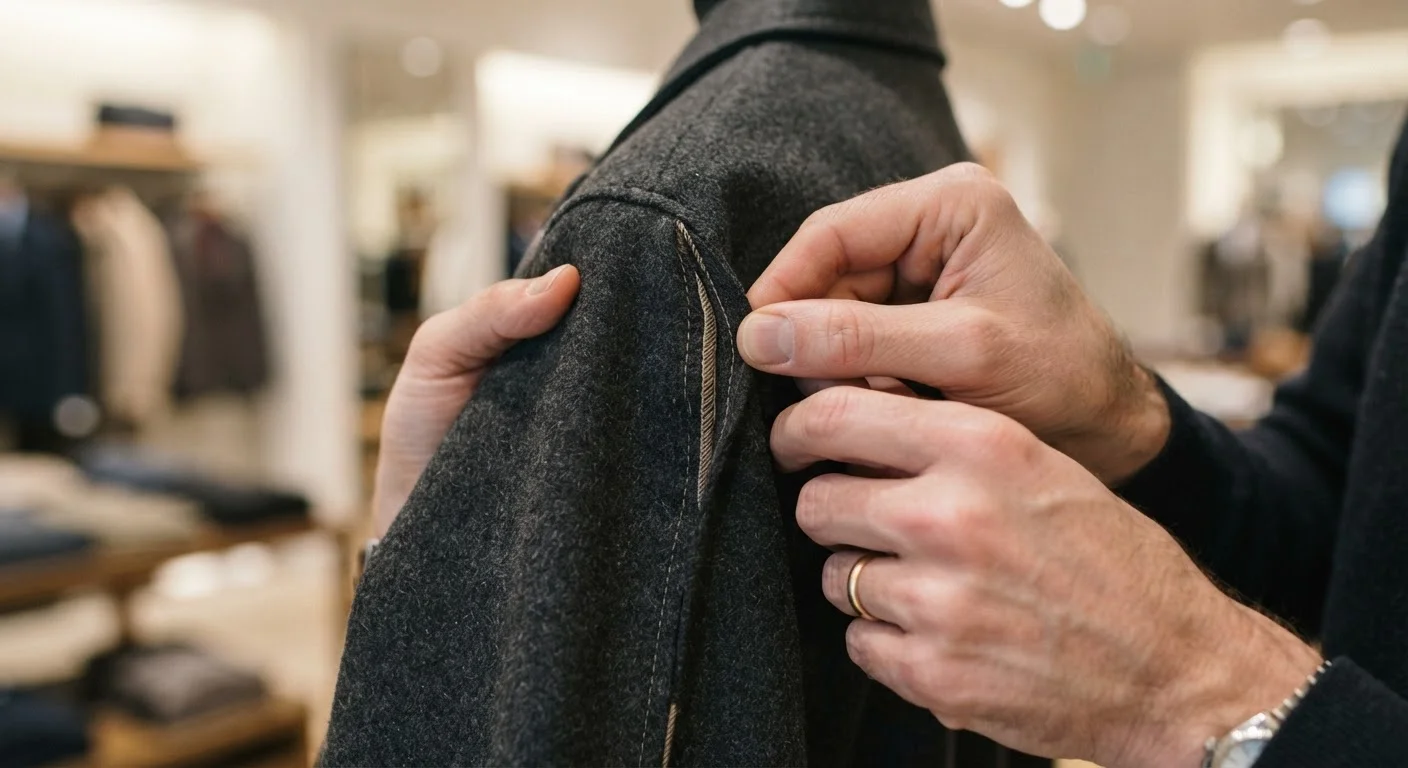
Fast fashion volume is facing headwinds, particularly among younger consumers who have grown more vocal about quality trade-offs and environmental concerns. While low-cost clothing hasn't disappeared, a growing segment of shoppers is buying fewer items and expecting them to last longer. This shift isn't universal or dramatic, but it is directionally consistent across multiple retail data points - fewer transactions, higher per-item spend in some categories, and greater interest in return and resale policies before purchase.
Fewer items, longer expected lifespan - durability is gaining ground over disposability.
Buy Now, Pay Later as a Routine Tool
Buy-now-pay-later (BNPL) services expanded rapidly by marketing themselves as a smarter alternative to credit cards. But as more consumers carry multiple overlapping BNPL balances simultaneously, the deferred-payment appeal has started to look more like fragmented debt. Regulatory scrutiny has also increased. Many consumers who adopted BNPL for convenience are now treating it more cautiously - or avoiding it for non-essential purchases. This is general financial information; individual financial decisions should account for your full credit picture and, where appropriate, input from a qualified financial professional.
Multiple overlapping BNPL balances can create the same debt pressure as traditional credit.
Demanding Ultra-Fast Delivery
Two-day delivery became a baseline expectation, and one-day or same-day options pushed that further. But a segment of consumers is quietly loosening that expectation - particularly when slower shipping comes with a lower price or environmental framing. This isn't a wholesale rejection of fast delivery, but it does suggest the expectation has a ceiling. Retailers are beginning to notice that offering delivery speed tiers, with cost differences clearly communicated, changes what customers actually select.
When given an explicit cost choice, many shoppers opt for slower and cheaper.
Pandemic-Era Bulk Buying
Supply chain anxiety during 2020-2021 drove widespread over-purchasing of household staples. As those pressures have eased, bulk buying habits have largely unwound for most product categories. Warehouse club memberships remain stable, but the panic-driven overstocking behavior has faded. Consumers are returning to purchasing closer to point of need, which also reduces the household storage burden and waste that over-buying created.
With supply chain anxiety easing, households are buying closer to actual need again.
What These Reversals Mean for Your Wallet
Taken together, these reversals point to a more deliberate consumer - one who is less swayed by novelty and more focused on value, durability, and intent. That's a meaningful shift from the convenience-at-any-cost mindset that defined shopping behavior during and immediately after the pandemic.
Audit Your Recurring Charges
Once or twice a year, pull up your bank and credit card statements and list every recurring charge. Subscriptions, memberships, and BNPL installments are easy to lose track of individually but add up quickly. Ask for each one: am I actively using this, and would I sign up for it again today? If the answer is no, canceling is usually straightforward - and the savings are immediate.
It's also worth noting that some of these reversals are happening alongside growth in other areas. Resale shopping, for instance, has gained ground even as fast fashion slows - a pattern explored in depth in the rise of the secondhand economy. Similarly, interest in locally sourced goods continues to climb, which the shift toward local buying examines closely. If you want practical ways to apply these insights to your own budget, savvy spending strategies offers a useful starting point.