
What Is the Circular Economy?
The circular economy is a system designed to keep products, components, and materials in use for as long as possible. Rather than treating goods as disposable, the model treats materials as resources that cycle back through the economy - through reuse, repair, remanufacturing, or recycling - instead of ending up in a landfill.
The concept has roots in industrial design and systems thinking, and has gained traction among policymakers, manufacturers, and retailers over the past decade. For consumers, understanding it is increasingly useful because it's shaping how products are made, marketed, and sold.
Circular economy
An economic model that keeps materials and products in use as long as possible through reuse, repair, and recycling, rather than discarding them after one use.
Linear economy
The conventional take-make-dispose model where raw materials become products that are used once and thrown away, with little recovery of materials.
Remanufacturing
The process of restoring used products to like-new condition by rebuilding them with new or reconditioned parts - a step beyond basic repair.
Product take-back program
A company-run initiative where customers can return used products for refurbishment, resale, or responsible material recovery instead of sending them to landfill.
Repairability
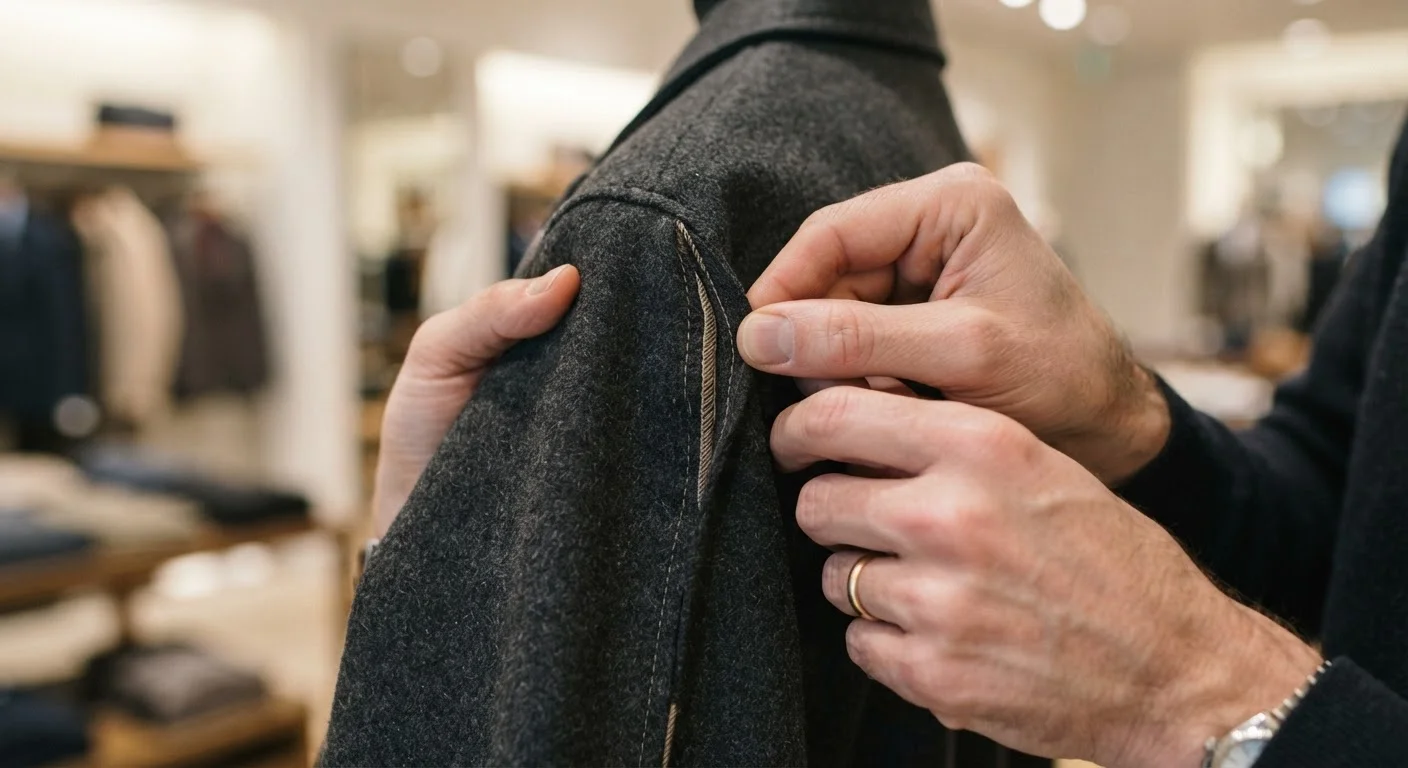
How easily a product can be fixed using available parts, tools, and instructions - an important factor in how long it stays useful.
Greenwashing
When a company makes environmental claims that are vague, misleading, or unsupported by actual practices - often using circular or sustainable-sounding language without evidence.
How It Differs from the Linear Economy
Most consumer goods today follow what's called a linear economy: raw materials are extracted, manufactured into products, sold, used, and then discarded. This take-make-dispose model has driven mass production and low prices, but it also generates substantial waste and depends on continuous extraction of new resources.
The circular model challenges that sequence. Design choices matter more upfront - products intended for circularity are typically built to last longer, use fewer mixed materials (which are harder to separate for recycling), and include options for take-back or upgrading. It's a structural shift, not just a recycling program.
Understanding this distinction helps when evaluating product claims. Our guide to evaluating any product covers durability and repairability criteria that directly overlap with circular principles.
Where You'll See It in the Marketplace
Circular economy practices are already visible across several retail categories:
- Take-back and trade-in programs: Some electronics and apparel companies offer to collect used items, either for resale, refurbishment, or material recovery.
- Certified refurbished goods: Electronics, appliances, and tools sold as refurbished - inspected and restored by the manufacturer or a certified third party - represent circular reuse.
- Product-as-a-service models: Some companies lease products rather than sell them outright, retaining ownership and responsibility for end-of-life handling.
- Resale platforms: Secondary markets for clothing, furniture, and electronics extend product lifespans and are an established part of circular commerce.
- Repairability ratings: Some jurisdictions now require or encourage manufacturers to disclose how repairable their products are, giving consumers more information at purchase.
These aren't niche developments - they're showing up across mass-market retail. Separately, it's worth distinguishing these structural changes from the social commerce trend, which focuses on how products are discovered rather than how they're designed. See our overview of social commerce for that contrast.
Check Before You Toss
Before discarding an older product, look up whether the manufacturer has a trade-in or take-back program. Many electronics and apparel brands have introduced these options even if they don't advertise them prominently. A quick search for '[brand name] + take-back program' often surfaces options you'd otherwise miss.
What This Means for Your Buying Decisions
The circular economy introduces a few practical questions worth asking before you buy:
- How long is this designed to last? Look for warranty length, repairability information, and availability of replacement parts.
- What happens to it when I'm done? Does the manufacturer offer a take-back option? Is the material recyclable through standard programs in your area?
- Is refurbished a realistic option here? For higher-cost items like electronics or appliances, certified refurbished versions can offer comparable performance at a lower price - though coverage and condition standards vary.
These questions connect naturally to broader smart-spending habits. If you're building purchasing habits from the ground up, our practical introduction to smart spending provides useful context for thinking about long-term value over upfront cost.
Honest Limitations to Know
The circular economy is a framework with genuine potential, but it's not a complete solution and not every claim made under its banner is well-substantiated. A few realities to keep in mind:
- Recycling has limits. Many materials that are technically recyclable aren't economically viable to process, depending on local infrastructure. 'Recyclable' on packaging doesn't guarantee the item will be recycled.
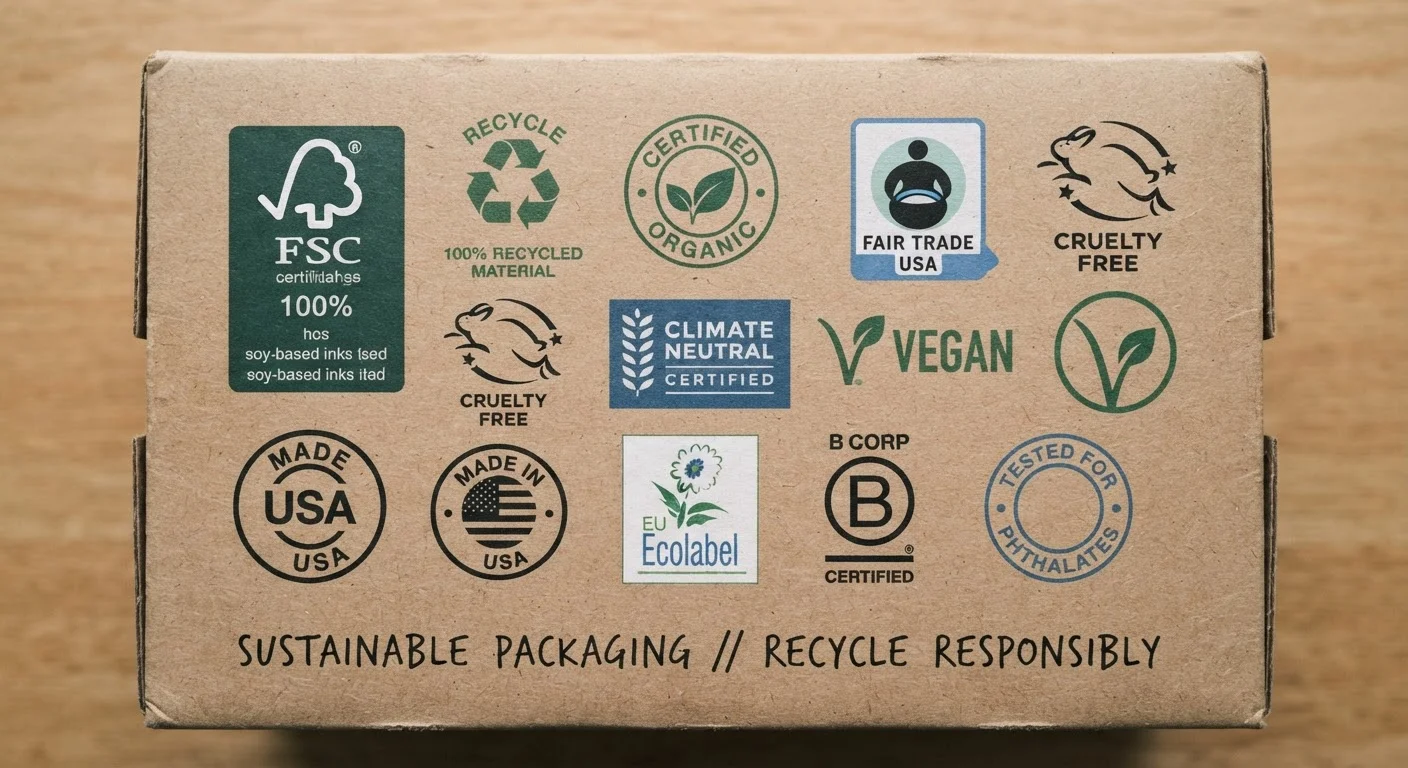
- Greenwashing exists. Some companies use circular-sounding language without meaningful program commitments. Look for specifics - third-party certifications, documented take-back programs - rather than vague claims.
- Convenience gaps remain. Repair services, refill stations, and take-back programs aren't equally accessible in all communities or for all product categories.
- Not all 'sustainable' products are circular. These are related but distinct concepts. For a clearer read on sustainability labeling, see our article on what ethical consumption labels actually mean.
A useful vocabulary for navigating this space - including terms like recyclability, repairability, and lifecycle - is available in our product evaluation glossary.