Why a Seasonal Checklist Matters
Home maintenance rarely fails all at once - it degrades quietly, season by season, until a small oversight becomes a costly repair. A cracked weatherstrip lets cold air in all winter. A clogged gutter backs up water under your shingles. A neglected HVAC filter strains the system for months before it fails in a summer heat wave.
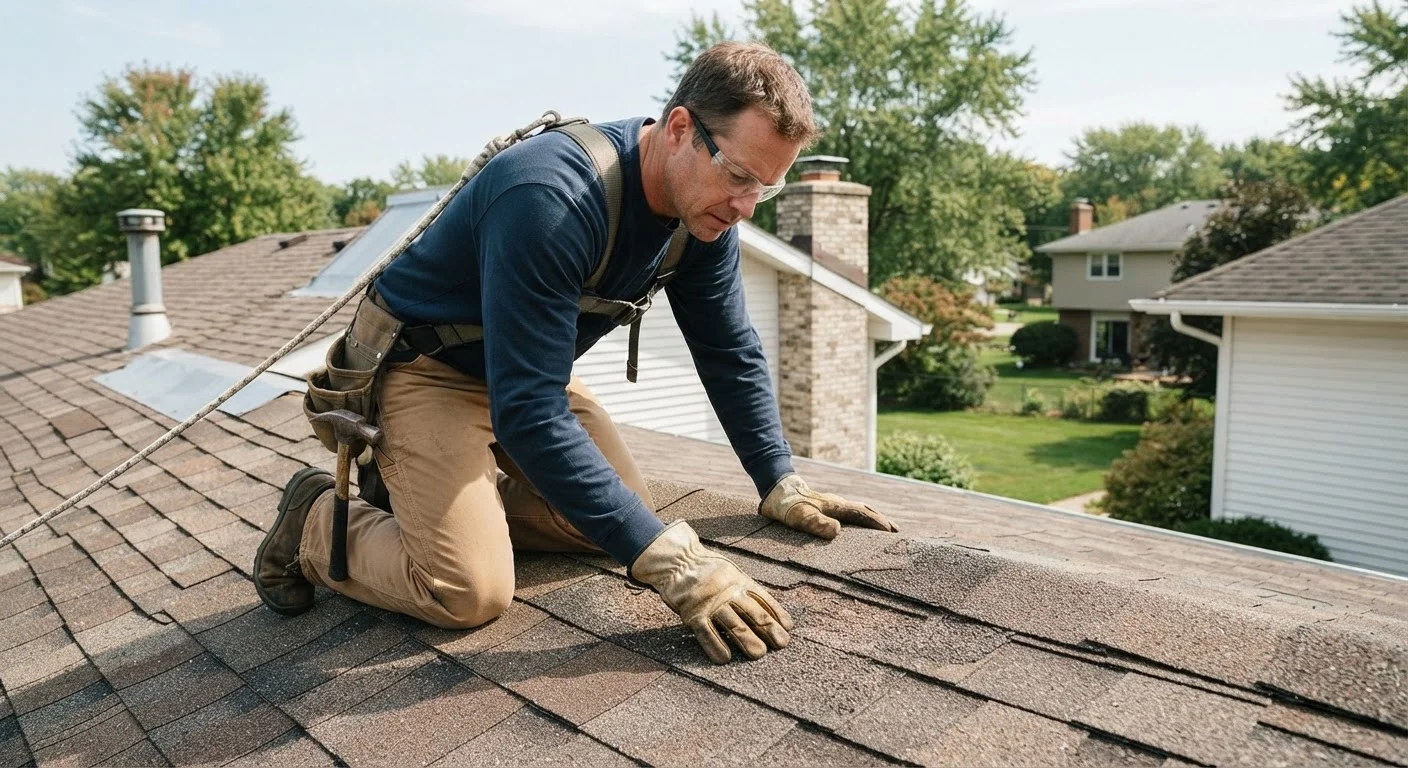
The goal of this checklist is simple: help you catch problems early, spread the workload across the calendar, and keep your home in the kind of shape that protects both your comfort and your investment. For tasks that involve electrical systems, gas lines, structural work, or roofing, always hire a licensed professional - DIY in those areas can create serious hazards and may violate local codes. When in doubt about permit requirements, consult our guide on permits and home improvement inspections.
Work through this checklist once at the start of each season. Even completing 80% of it consistently will put you well ahead of most homeowners.
Spring
Summer
Fall
Winter
Tools and Supplies to Have on Hand
You don't need a contractor's van to handle most seasonal maintenance. A modest toolkit and a few consumable supplies cover the majority of items on this list. Before you begin each season's walkthrough, make sure the essentials below are accessible.
Caulk gun and exterior-grade caulk
Sealing gaps around windows, doors, and utility penetrations to prevent air and moisture infiltration.
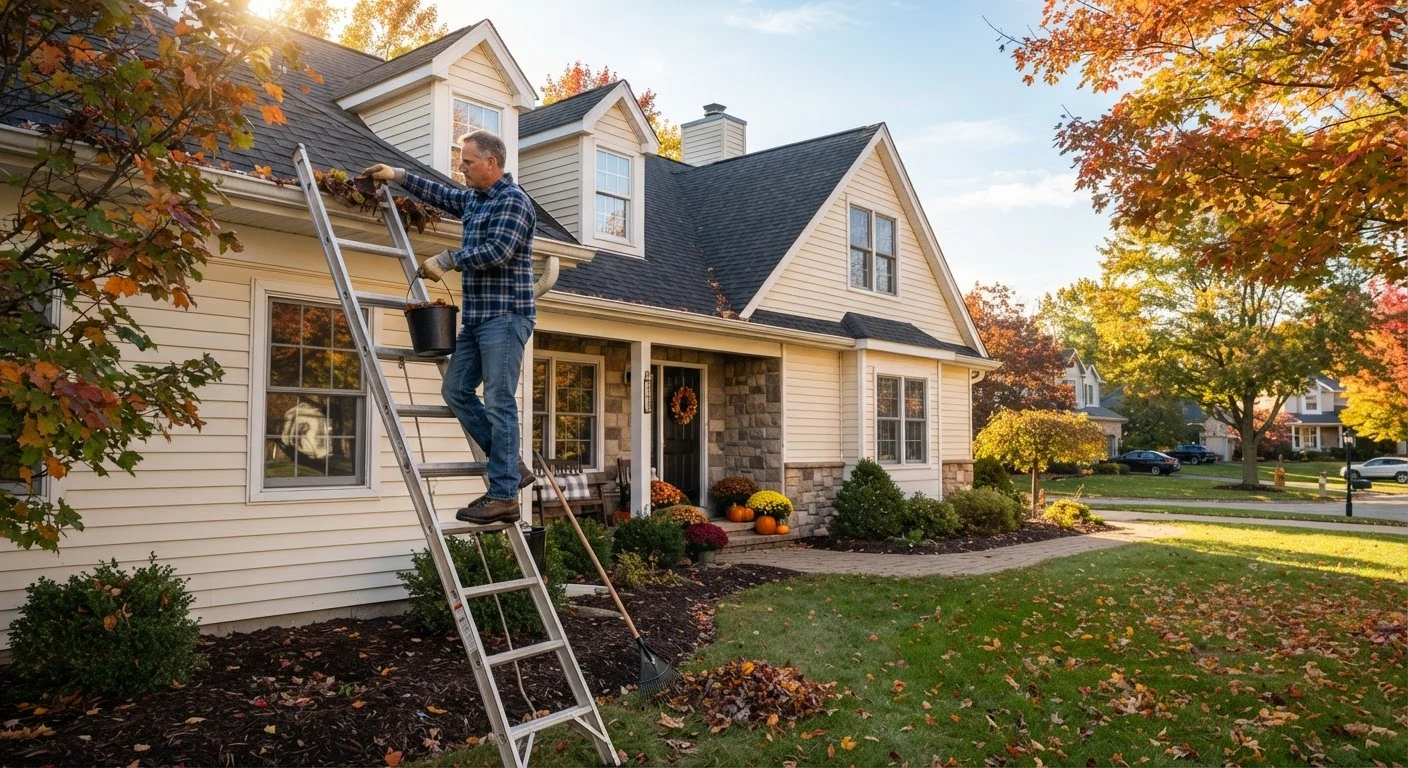
Ladder (6- or 8-foot, rated for your weight)
Safely reaching gutters, exterior trim, and low roofline areas for inspection and cleaning.
HVAC filter (correct size for your system)
Replacing your air handler filter on schedule to maintain air quality and system efficiency.
Gutter scoop or garden trowel
Removing compacted debris from gutters during spring and fall cleanings.
Weatherstripping (foam or door-sweep style)
Replacing worn seals around exterior doors to reduce drafts and energy loss.
Flashlight or headlamp
Inspecting dark areas such as the attic, crawl space, and under sinks.
Smoke and CO detector tester
Verifying that safety alarms function correctly without removing them from the wall.
Garden hose with spray nozzle
Testing gutter drainage direction and rinsing downspouts after clearing debris.
For jobs that go beyond basic tools - anything involving your roof, electrical panel, gas appliances, or load-bearing structure - stop and call a licensed professional. No checklist item is worth a safety risk.
It's also worth building a simple maintenance log as you go. Documenting what you checked, what you replaced, and when can be surprisingly valuable - especially if you ever sell your home or need to make a warranty claim. Pair this habit with the broader approach described in our article on common weatherproofing mistakes to make sure your sealing efforts are actually working.
Outdoor Spaces: What the Seasons Demand
Your yard and exterior surfaces take the brunt of weather changes. Spring and fall are the most demanding seasons for outdoor maintenance, but summer and winter each carry their own watch-list items. For a detailed breakdown of lawn-specific tasks timed to each month, see our seasonal lawn care checklist - it pairs well with the exterior maintenance items here. You can also browse general tips in our Lawn & Garden hub.
On the structural side, pay close attention to your home's drainage. Water that pools near the foundation, sits in gutters, or backs up against fascia boards is one of the leading causes of long-term structural damage. These issues are almost always cheaper to prevent than to repair.
Foundation Drainage Is Not Optional
Water pooling within six feet of your home's foundation is one of the most common causes of basement leaks and, over time, structural problems. Make sure gutters discharge well away from the house and that your yard slopes away from the foundation - a grade that falls at least one inch per foot for the first six feet is a widely cited standard. If you notice persistent pooling or cracks that are widening, consult a licensed contractor or structural engineer before the problem escalates.