How Loyalty Programs Actually Work
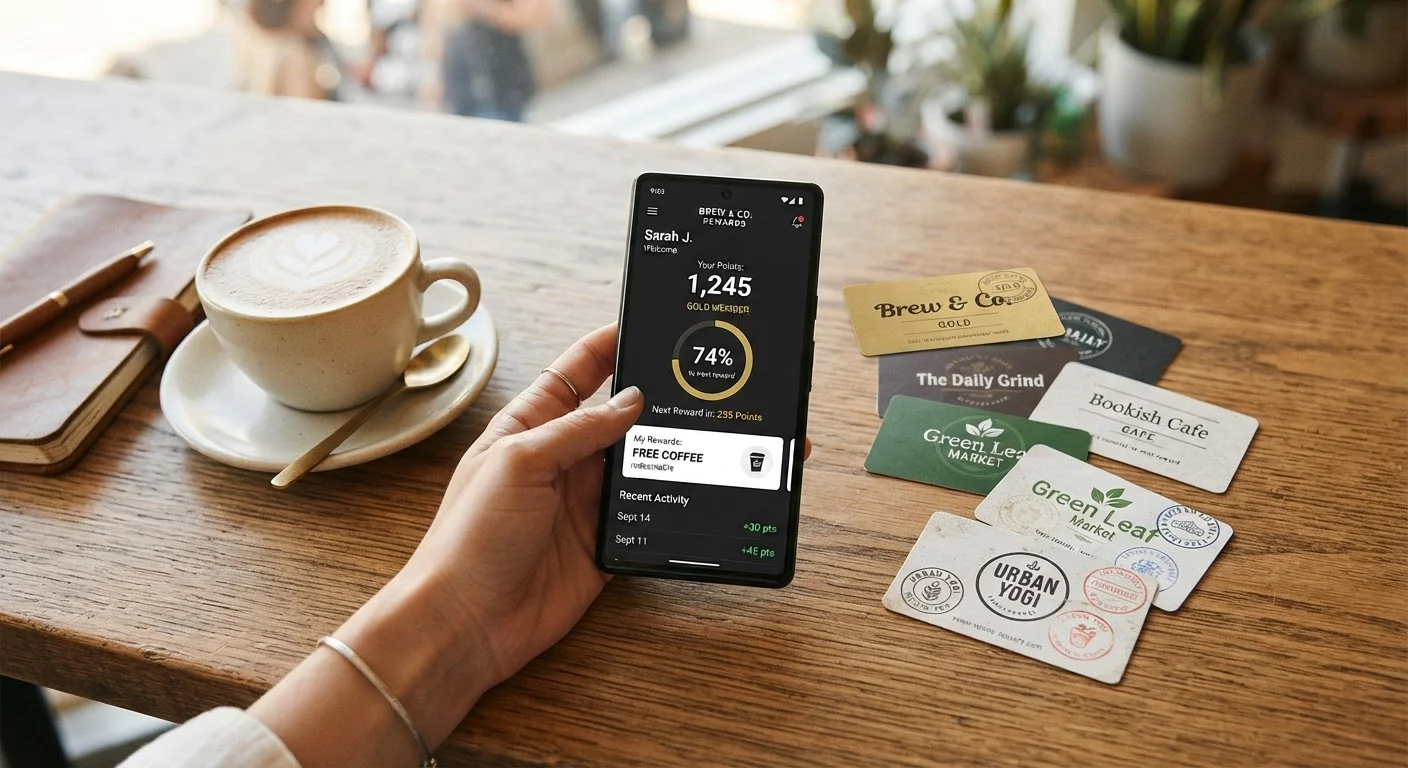
Loyalty programs are structured agreements between a retailer and a consumer: you share your purchase behavior (and often personal data), and in return you receive points, discounts, or perks. The model has been around for decades - airline frequent-flyer programs date back to the early 1980s - but digital infrastructure has made these programs far more sophisticated and far more data-intensive.
Most programs fall into one of three structures: points-based systems (earn per dollar spent, redeem for rewards), tiered systems (spending unlocks status levels with escalating benefits), or paid membership programs (an upfront fee buys access to ongoing perks). Each structure carries different trade-offs for consumers, and the right fit depends heavily on individual spending patterns. For a deeper look at which program types tend to favor consumers, see how different program structures compare.
Tangible savings on regular purchases
For consumers who shop frequently at a particular retailer, points and cashback can translate into meaningful discounts over time - particularly in categories like groceries, fuel, and travel.
Access to member-only pricing and early offers
Many programs provide members with pricing not available to the general public, including pre-sale access and exclusive discounts that can represent genuine value for regular shoppers.
Convenience through personalized offers
Programs that track purchasing history can surface relevant promotions - reducing the time spent searching for deals on products you already buy.
Tiered perks reward consistent engagement
Higher-tier members in travel and retail programs often receive benefits like free shipping, priority service, or bonus earning rates that compound the value of ongoing participation.
Where Loyalty Programs Fall Short
The appeal of loyalty programs is real, but so are the limitations - and they're not always visible at sign-up. Understanding where programs tend to underperform helps consumers make more deliberate enrollment decisions.
Points expire or devalue without notice
Many programs reserve the right to adjust point values or introduce expiration windows, meaning rewards accumulated over months can disappear before redemption.
Enrollment encourages increased spending
Research on loyalty program behavior consistently shows that members tend to spend more at enrolled retailers - which may not align with broader financial goals.
Detailed behavioral data is collected and retained
Purchase history, location data, and browsing patterns are routinely gathered. Depending on program terms, this data may be shared with or sold to third-party marketing partners.
Redemption restrictions reduce stated value
Points are often redeemable only on select items, subject to blackout periods, or capped per transaction - making the advertised value difficult to fully realize in practice.
Program terms can change unilaterally
Retailers can modify earning rates, reward tiers, and redemption rules at any time, often with limited notice, which can significantly change the effective return on accumulated points.
Retailers design these programs with their own retention goals in mind. The data collected isn't just used to personalize offers - it informs pricing strategy, inventory decisions, and marketing targeting. Consumers who don't review a program's privacy policy before enrolling may be surprised by the breadth of data shared. This dynamic is worth understanding alongside other pricing mechanics covered in how retailers use pricing illusions to shape consumer behavior.
The Data Exchange: What You're Actually Giving Up
Loyalty programs are fundamentally data collection systems. When you scan a card or log in to an app, the retailer records what you bought, when, how often, and sometimes where you were. Over time, this builds a detailed behavioral profile.
What 'Free' in a Loyalty Program Actually Means
Most loyalty programs carry no monetary enrollment fee, but that doesn't mean they're free. The currency being exchanged is behavioral data - your purchase history, frequency, and preferences. Some programs are explicit about this in their terms; others bury data-sharing provisions in lengthy privacy policies. Consumers who treat enrollment as a purely financial decision without reviewing data terms may be underestimating the full cost of participation.
This isn't inherently harmful, but it's a trade most consumers make without full awareness. Behavioral profiles can result in personalized pricing - where different customers see different prices based on their spending history - or in targeted promotions designed to increase spending rather than reward loyalty. Before enrolling, it's worth reviewing the program's data-sharing terms, particularly whether data is sold to or shared with third parties.
Comparing the value you receive against what you're giving up is the same logic that applies to any purchase decision - the same framework explored in price versus value trade-offs applies here.
70%+
Americans enrolled in at least one loyalty program
Industry analyses of U.S. consumer behavior consistently find the majority of American adults hold at least one active loyalty program membership.
~$360
Average unredeemed loyalty points value per U.S. household
Estimates from loyalty industry research suggest the average U.S. household holds hundreds of dollars in accumulated but unredeemed loyalty points at any given time.
Making a Loyalty Program Work for You
The consumers who get the most out of loyalty programs treat them like any other financial tool - with intention. A few practical considerations can meaningfully affect the outcome:
- Consolidate memberships. Spreading spending across five programs typically earns meaningful rewards in none. Focusing on one or two programs where you already shop most frequently accelerates point accumulation.
- Check expiration policies before banking points. Many programs allow points to lapse after 12 to 24 months of inactivity. If you're accumulating for a long-term reward, confirm the timeline.
- Read the redemption fine print. Points may only apply to select products, be capped per transaction, or require a minimum balance before redemption is allowed.
- Revisit your memberships periodically. If you're enrolled in programs you rarely use, the data collection continues even when the rewards don't. The same overextension problem that drives subscription fatigue can apply to loyalty programs.
Ultimately, a loyalty program is only worthwhile if the rewards you actually redeem exceed the cost - in spending, behavior change, and data - that earning them required.