
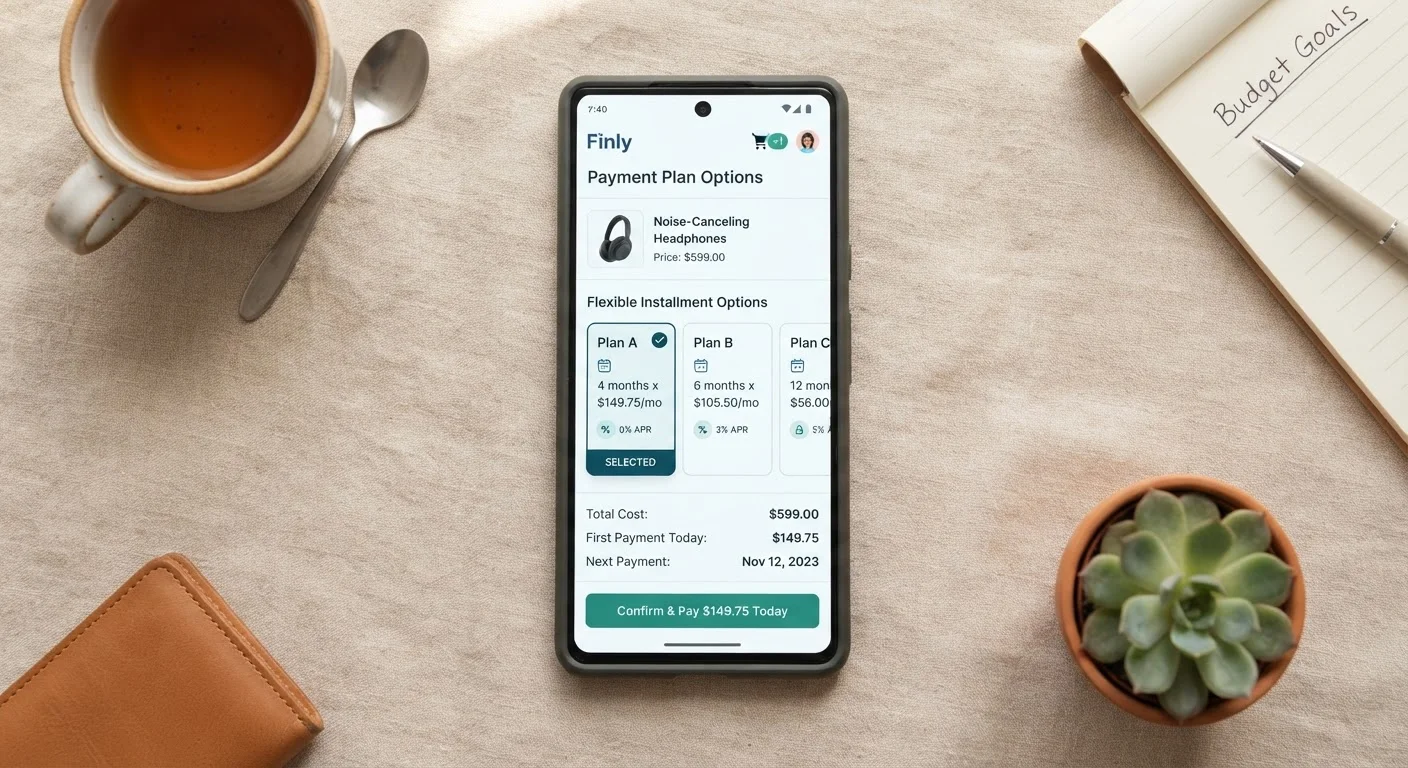
What Buy Now, Pay Later Actually Is
Buy now, pay later - commonly abbreviated as BNPL - is a short-term financing arrangement that lets you take a purchase immediately and pay for it in a series of installments, typically over four to twelve weeks. Most BNPL plans charge no interest if every payment is made on schedule, which distinguishes them structurally from revolving credit card debt.
BNPL providers earn revenue primarily from merchants, who pay a transaction fee in exchange for increased conversion at checkout. Some providers also charge consumers late fees or, in longer-term plans, interest. It's worth understanding this business model: the product is designed to encourage purchasing decisions you might otherwise postpone.
For a broader grounding in how installment-based debt compares to other borrowing structures, see our complete guide to debt types and terms.
The Advantages Worth Acknowledging
BNPL isn't inherently problematic. For certain use cases and certain consumers, it offers genuine utility.
No interest when payments made on time
Most BNPL plans are structured as zero-interest installments if you pay each installment by its due date, making them cost-free in the ideal scenario.
Predictable, fixed payment schedule
Unlike revolving credit, BNPL gives you a clear end date. You know exactly what you owe and when, which simplifies short-term budgeting.
Accessible without a strong credit history
BNPL approval often relies on a soft credit check or alternative criteria, making it available to shoppers who may not qualify for traditional credit cards.
Spreads cost of necessary purchases
For an unplanned but essential expense - a appliance replacement, for example - BNPL can prevent the need to drain savings or carry a high-interest card balance.
The zero-interest structure - when honored - makes BNPL materially different from carrying a credit card balance. If you were going to make the purchase anyway and can reliably hit each payment, you're essentially borrowing money at no cost. That's a real benefit, not a marketing illusion.
Accessibility is another legitimate upside. Consumers with limited or no credit history may qualify for BNPL where they'd be declined for a traditional credit card. For those working on building a credit profile from scratch, some BNPL plans that report on-time payments to credit bureaus can act as a stepping stone - though this varies by provider.
The Risks That Deserve Equal Weight
The drawbacks of BNPL are structural, not incidental. They tend to compound when a consumer is already financially stretched.
Late fees and penalty interest can add up fast
Missing a single payment can trigger fees or convert your balance to a high-interest loan. The zero-interest promise is conditional, not guaranteed.
Encourages spending beyond current means
By reducing the perceived upfront cost of a purchase, BNPL can prompt consumers to buy things they wouldn't otherwise afford - a structural nudge toward overspending.
Multiple plans create hard-to-track debt
Running several BNPL plans at once - which is easy to do across different retailers - can lead to overlapping payment dates and unexpected cash shortfalls.
Inconsistent credit bureau reporting
Many BNPL providers do not consistently report to all three major credit bureaus, so on-time payments may not build credit while defaults can still cause harm.
Fewer consumer protections than credit cards
BNPL plans generally lack the dispute resolution rights and fraud protections that federal law requires of traditional credit card issuers.
360%
BNPL loan volume growth 2019-2021
The Consumer Financial Protection Bureau reported a roughly 970% increase in BNPL loan originations between 2019 and 2021, reflecting rapid mainstream adoption.
~10%
BNPL users who paid a late fee
A 2023 Bankrate survey found approximately one in ten BNPL users reported being charged a late fee, underscoring the real-world cost risk of missed installments.
Perhaps the most underappreciated risk is debt stacking: running several BNPL plans simultaneously without a clear picture of total monthly obligations. Each plan looks manageable in isolation; together, they can create real cash flow pressure. This is distinct from the type of single-loan repayment discipline covered in responsible debt management principles.
Credit reporting inconsistency is another concern. Because BNPL isn't uniformly regulated as traditional credit, some providers don't report to all three major credit bureaus - meaning on-time payments may not build your score, but missed payments can still damage it through collections.
BNPL Is Subject to Evolving Regulation
Federal regulators, including the Consumer Financial Protection Bureau, have been actively reviewing BNPL products and their disclosure requirements. Rules around credit reporting, fee transparency, and dispute rights may change. Before using a BNPL service, review its current terms carefully - and check the Debt & Credit resource hub for updated guidance on borrowing responsibly.
How BNPL Compares to Other Payment Options
BNPL occupies a distinct space between paying outright and carrying revolving credit. It's worth placing it in context before choosing it at checkout.
Compared to a credit card, BNPL offers a defined repayment timeline and typically no interest - but it lacks the consumer protections many cards provide (dispute resolution, fraud liability limits, purchase protection). Compared to a personal loan, BNPL is faster and requires no formal application, but it's also easier to accumulate multiple obligations without scrutiny. For a deeper comparison of structured debt options, see how personal loans compare to balance transfer cards as debt-payoff tools.
The same principles apply here as in any major purchase financing decision - whether you're splitting retail installments or weighing financing a vehicle versus paying cash: the math of what you'll actually pay, under all scenarios, should drive the decision.
This article is for general informational purposes only and does not constitute financial advice. Consult a qualified financial professional for guidance specific to your situation.