What an Emergency Fund Is and Why It Matters
An emergency fund is money set aside specifically to cover unplanned financial shocks - a car repair, a medical bill, a sudden job loss, or a broken appliance. It is not a vacation fund or a down-payment account. Its sole purpose is to keep a financial curveball from becoming a financial crisis.
Without this cushion, most people turn to credit cards or personal loans when emergencies strike. That creates debt with interest, which can take months or years to pay off. An emergency fund interrupts that cycle before it starts.
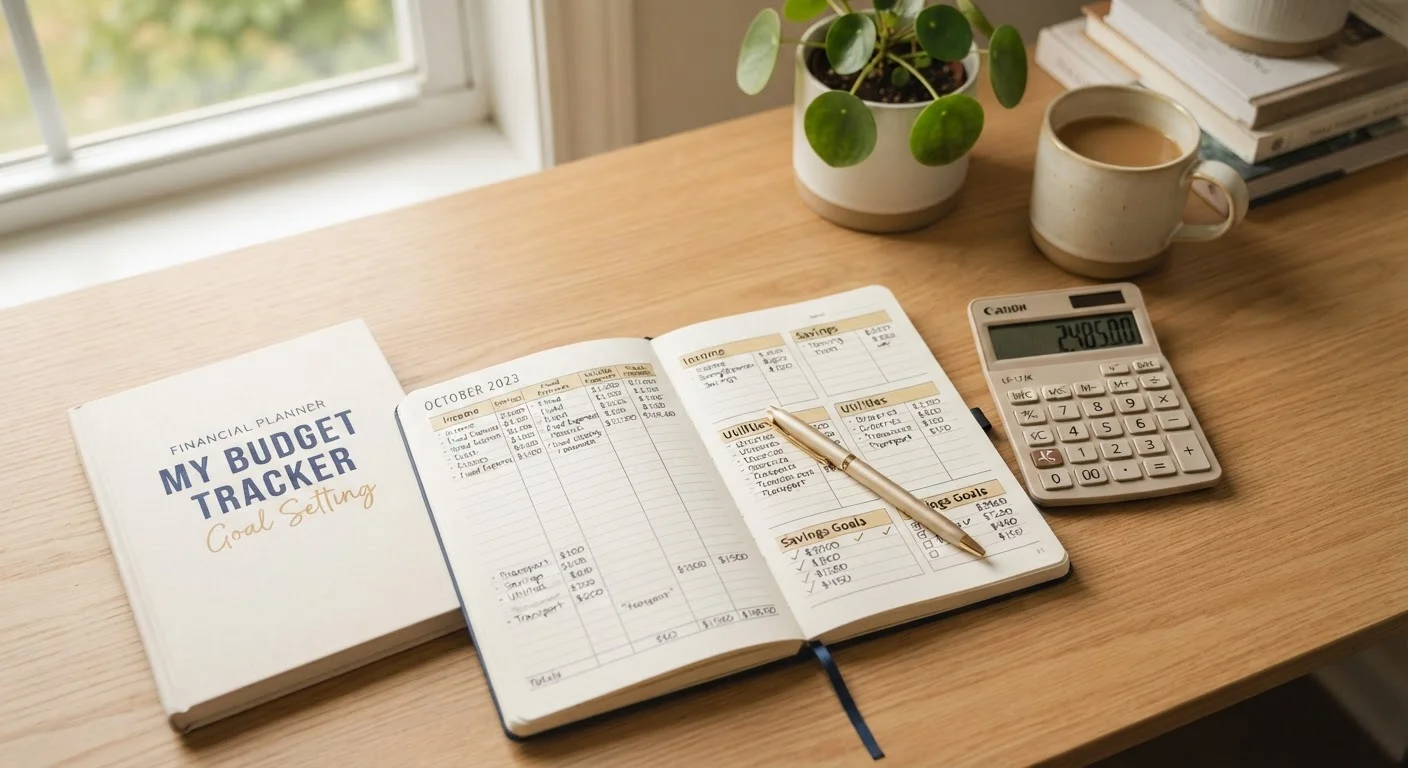
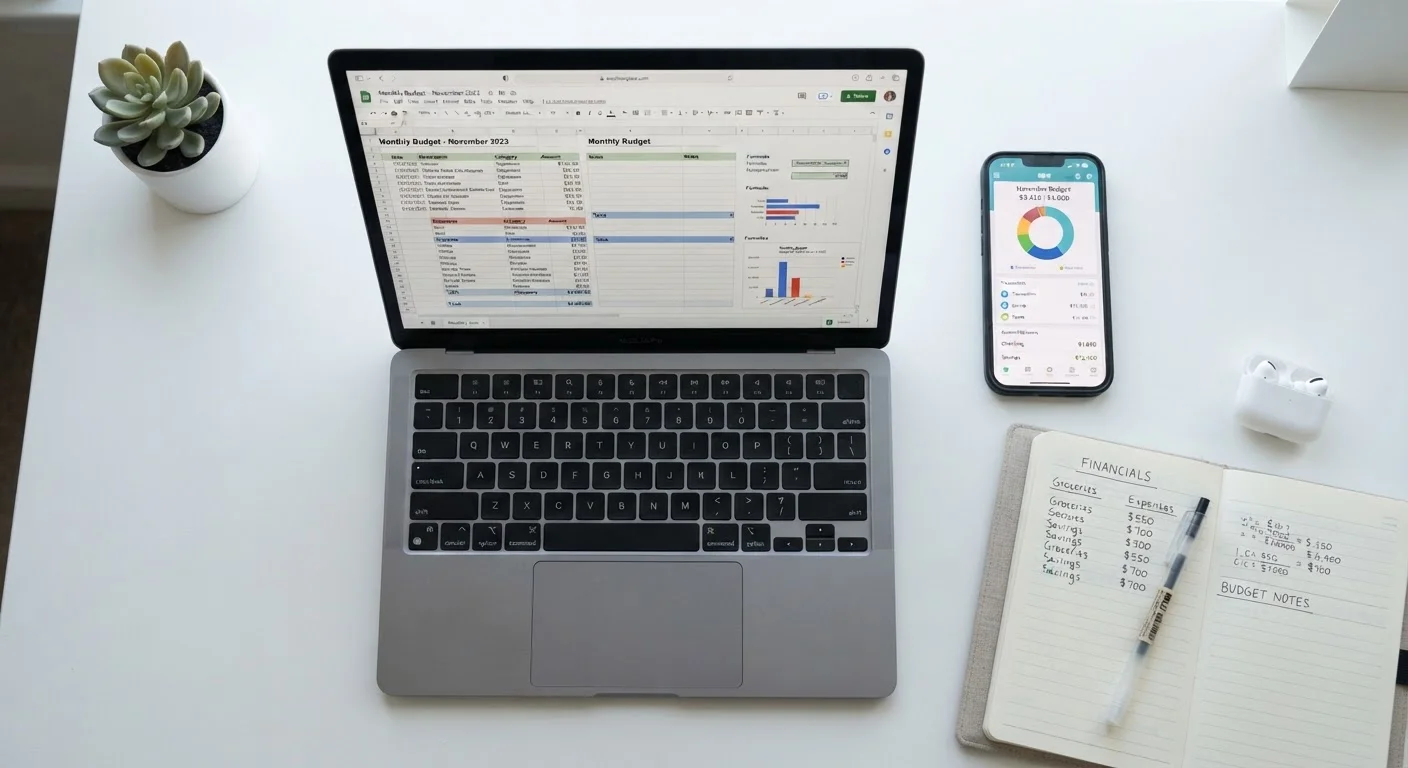
If you are also working on a monthly spending plan, the relationship between your emergency fund and your budget is worth understanding - the two tools reinforce each other in important ways.
Any Amount Is a Valid Starting Point
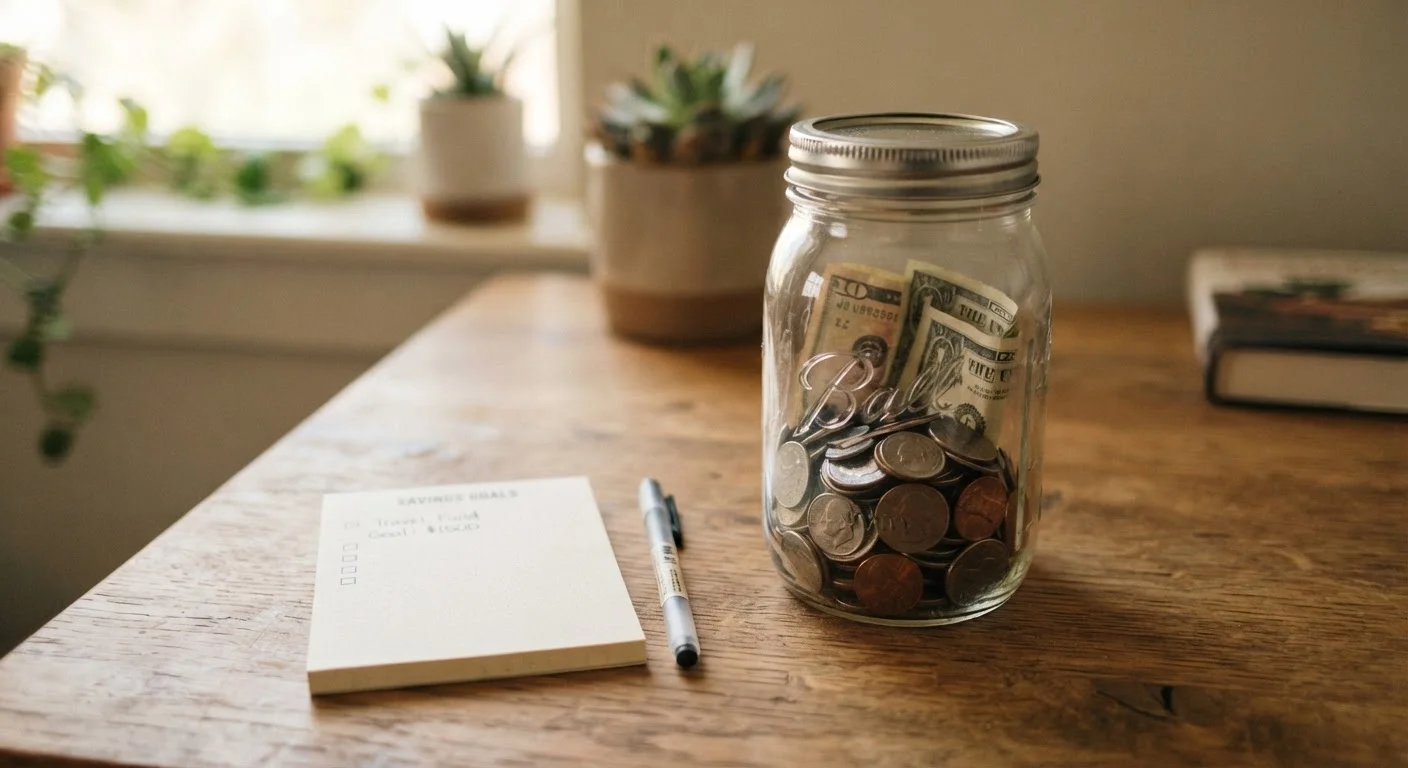
Many people delay starting an emergency fund because they feel the amount they can save is too small to matter. It is not. Even $20 saved this week is $20 that does not have to go on a credit card later. The habit of saving is more valuable than the size of the first deposit.
How Much Should You Save?
A commonly cited target is three to six months of essential living expenses - meaning rent or mortgage, utilities, groceries, transportation, and minimum debt payments. Notice this is not three to six months of your total income; it is what you genuinely need to keep life running if your income stopped.
For someone with a single income, irregular pay, or dependents, leaning toward six months is generally more protective. For someone with stable employment, a working spouse, or lower fixed costs, three months may be a reasonable starting goal.
If those numbers feel overwhelming right now, set an immediate starter target of $500 to $1,000. That single buffer covers the majority of common household emergencies and gives you a foundation to build from.
Where to Keep Your Emergency Fund
Your emergency fund should be liquid (accessible quickly), safe (not subject to market fluctuations), and separate from your everyday checking account. A high-yield savings account at a federally insured bank or credit union satisfies all three criteria for most people.
Keeping it separate matters psychologically. When the money is sitting in the same account you use for groceries and streaming services, it tends to disappear. A dedicated account with a label like "Emergency Only" creates a mental boundary that helps protect the funds.
Avoid investing your emergency fund in stocks or other market-linked instruments. The value can drop precisely when you need the money most.
Steps to Build Your Emergency Fund From Scratch
Follow these steps in order. You do not need a large income to begin - consistency matters far more than the size of each contribution.
Calculate your essential monthly expenses
Add up only the non-negotiable costs you must pay each month: rent or mortgage, utilities, groceries, transportation, insurance, and minimum debt payments. Exclude dining out, subscriptions, and entertainment. This number is your baseline - multiply it by three or six to find your full target range.
Set a realistic starter goal
If your full three-month target feels out of reach right now, set a milestone of $500 or $1,000 first. Reaching a concrete, smaller goal builds confidence and momentum. You can raise the target once you hit it.
Open a dedicated savings account
Open a savings account separate from your checking account and label it clearly. Look for an account at a federally insured institution with no monthly fees and no minimum balance requirements. Transfer even a small amount immediately to activate the account and make the goal feel real.
Identify a fixed weekly or monthly contribution amount
Review your take-home pay and current expenses to find an amount you can reliably move into savings each pay period - even $25 or $50 matters. Consistency over time is what builds the fund. If you need help structuring your income and expenses, the monthly budget walkthrough can help you find room in your cash flow.
Automate your contributions
Set up an automatic transfer from your checking account to your emergency savings on the day after each paycheck arrives. Automation removes the decision from the equation - the money moves before you have a chance to spend it elsewhere.
Review and increase contributions over time
Revisit your contribution amount every few months or whenever your income changes. A raise, a paid-off debt, or a reduced expense is an opportunity to increase your savings rate. Keep adjusting until you reach your target balance.
This article is for general informational and educational purposes only and does not constitute personalized financial advice. Consider consulting a licensed financial professional for guidance specific to your situation.
Staying on Track After You Start
Building an emergency fund is a slow process for most people, and that is completely normal. A few habits help sustain progress. First, treat your fund contribution like a fixed bill - non-negotiable and paid before discretionary spending. This is the core idea behind paying yourself first, a straightforward principle that consistently benefits savers.
Second, when you receive any windfall - a tax refund, a bonus, a gift - direct a meaningful portion directly into your emergency fund before spending any of it.
Third, if you ever use the fund, replenish it as soon as possible. Treat the rebuild as your next financial priority. For a broader look at managing income and expenses together, our guide to building your first monthly budget walks through every step of creating a spending plan from scratch.