Two Tools, One Financial Plan
Many people treat a budget and an emergency fund as separate projects - something to tackle one at a time. In practice, they are two sides of the same system. A budget tells your money where to go each month. An emergency fund tells your budget where to turn when something breaks that plan.
Without a budget, most people never accumulate emergency savings consistently - contributions happen only when there happens to be money left over, which rarely occurs. Without an emergency fund, even a well-designed budget can collapse the moment a car needs a new alternator or a medical bill arrives. The two tools are not interchangeable; they serve distinct roles. But they reinforce each other in ways that make your overall financial plan far more resilient.
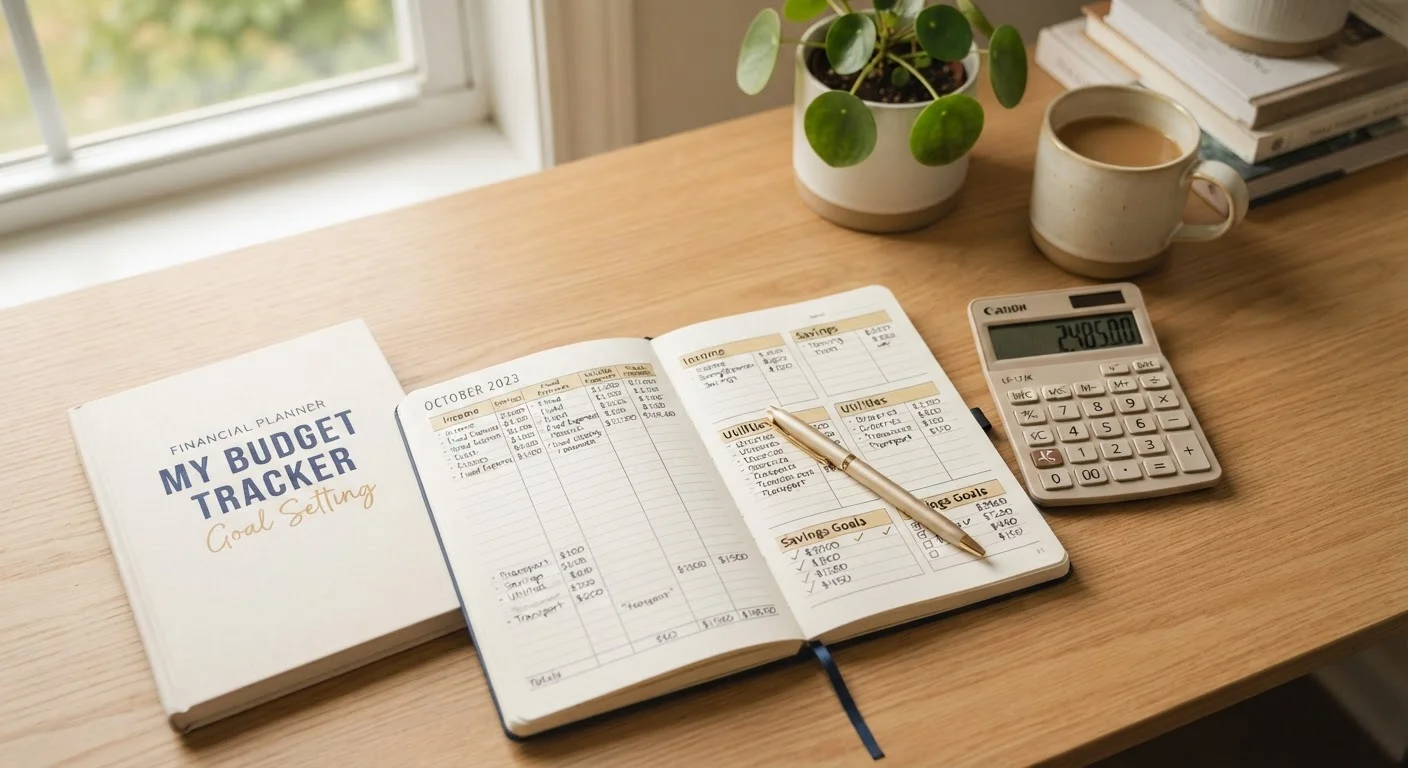
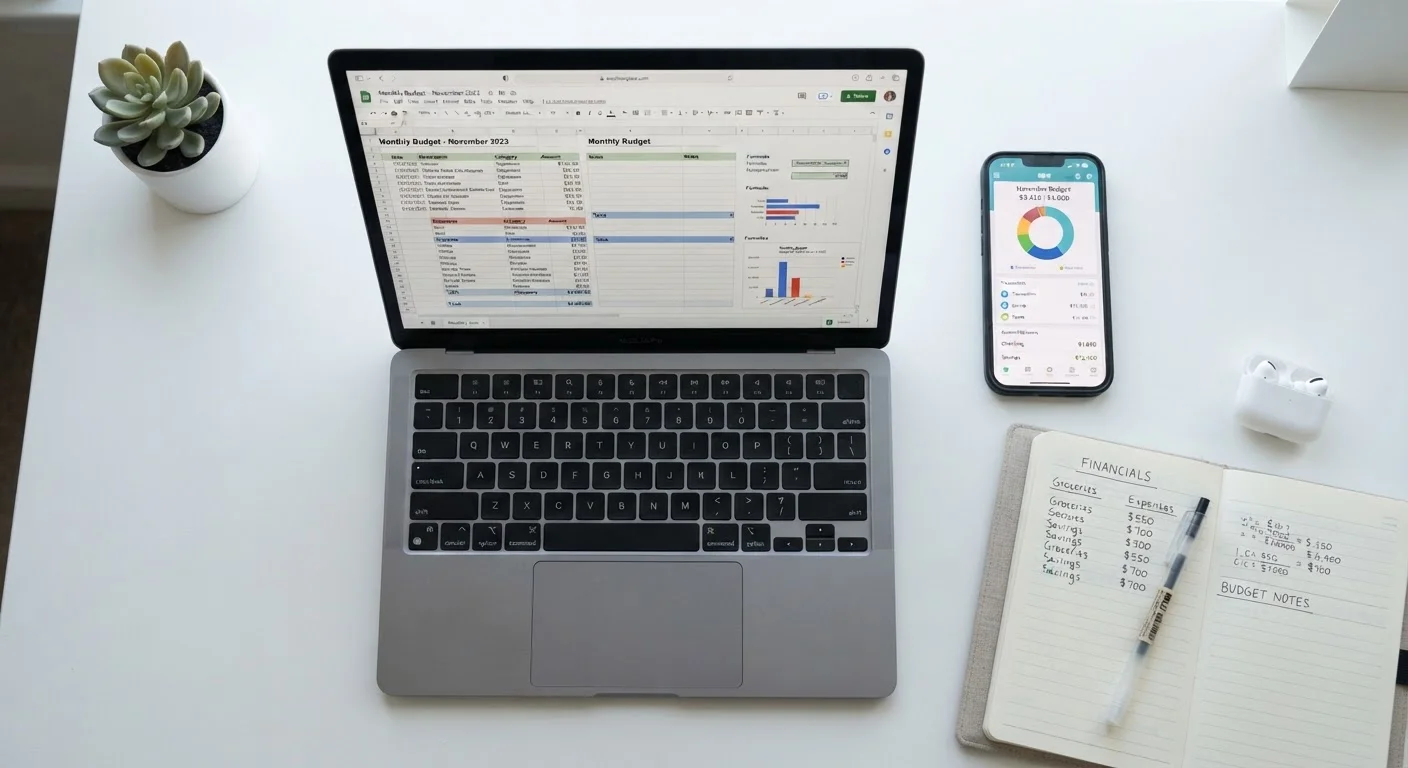
If you're starting from zero, the first step is establishing a basic monthly budget - one that accounts for income, fixed expenses, and variable spending before you try to layer in savings goals.
How a Budget Builds Your Emergency Fund
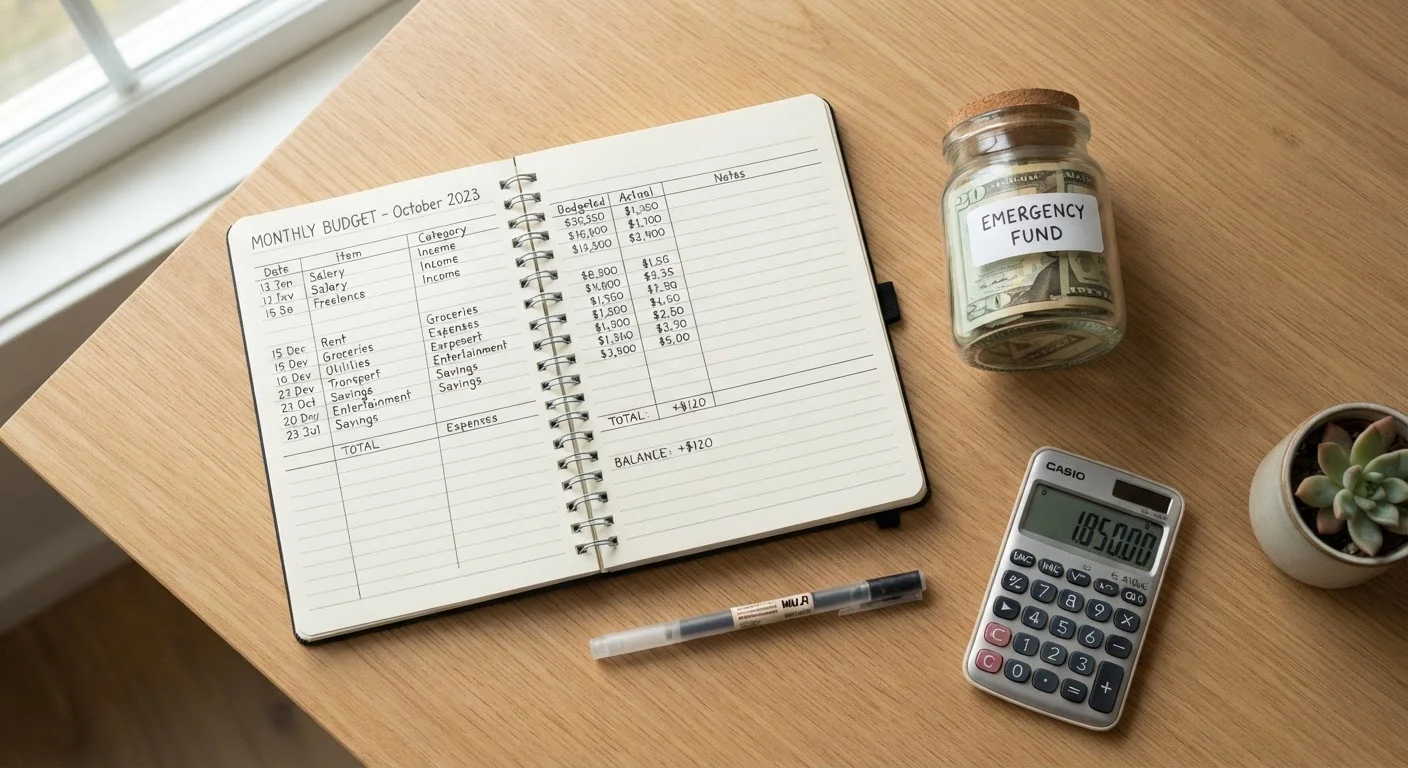
The most reliable way to grow emergency savings is to treat a monthly contribution as a non-negotiable budget line - similar to rent or a utility bill. When it's optional, it gets skipped. When it's scheduled, it happens.
The amount doesn't need to be large at first. Even setting aside $25 or $50 a month gets the habit established and the balance growing. Over time, as income increases or debts are paid off, that amount can be raised. The structure matters more than the dollar figure in the early stages.
~57%
Americans unable to cover a $1,000 emergency from savings
According to Bankrate's annual emergency savings survey, a majority of U.S. adults would need to borrow or use credit to cover an unexpected $1,000 expense.
3-6 months
Recommended emergency fund coverage
Most personal finance guidance recommends keeping three to six months of essential living expenses in a liquid savings reserve.
$500-$1,000
Recommended starter emergency fund target
Many financial educators suggest this smaller initial goal as a practical first milestone before building toward a fuller emergency reserve.
People with irregular income face an added layer of complexity here. If your paycheck changes month to month, a fixed contribution amount may not always be feasible. The approach used by many freelancers and gig workers is to set a percentage of income aside rather than a fixed dollar amount - so in higher-earning months, more goes to savings automatically.
How an Emergency Fund Protects Your Budget
Most budgets that fail in the first few months don't fail because the math was wrong. They fail because something unexpected happened and there was no financial cushion to absorb it. A car repair gets charged to a credit card. A medical copay wipes out the grocery fund. The budget falls apart, and motivation goes with it.
An emergency fund acts as a circuit breaker. It absorbs the shock of unexpected costs without forcing you to borrow, overdraw, or completely restructure your spending plan. After an emergency expense is paid from the fund, the budget itself stays intact - you simply refocus on rebuilding the reserve. This is a fundamentally different outcome than starting over from scratch with new debt.
Understanding why budgets commonly break down can help you design a plan that's structurally prepared for real-world disruptions from the beginning.
Setting a Realistic Target and Getting Started
The standard guidance for an emergency fund is three to six months of essential living expenses - not total income, just the basics: housing, utilities, food, transportation, and minimum debt payments. That range can feel daunting when you're starting from zero, which is why many financial educators recommend a smaller initial goal.
A starter emergency fund of $500 to $1,000 is enough to handle many common unexpected expenses - a minor car repair, a medical copay, a broken appliance - without reaching for a credit card. Once that amount is in place, you can shift focus to building toward the fuller three-to-six-month target over time.
For a detailed walkthrough of the steps involved, the guide on building your first emergency fund covers how to calculate your target, where to keep the money, and how to stay consistent. And if you share finances with a partner, the household budgeting decisions you choose will shape how you fund and manage emergency savings together.
This article is for general informational and educational purposes only and does not constitute personalized financial advice. Consider speaking with a qualified financial professional about your specific situation.