Where the Envelope Method Came From
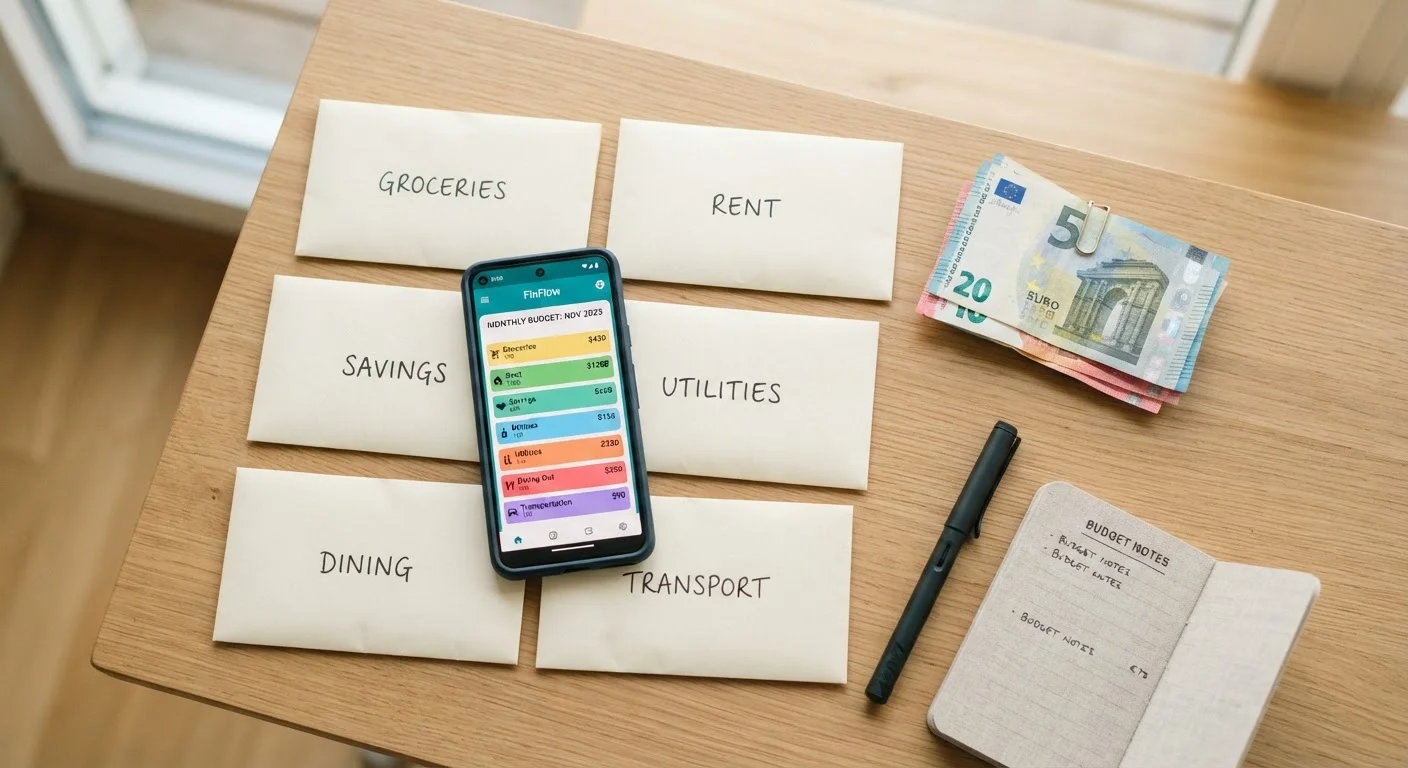
The envelope method has been a household staple for generations, popularized most widely during periods when cash was the dominant payment form. The logic was simple: cash your paycheck, divide the bills into labeled envelopes - groceries, gas, clothing, entertainment - and spend only what each envelope held. No envelope math required. When the grocery envelope held $300, that was the grocery budget. Full stop.
The method's durability comes from a basic insight about human behavior: money feels more real when it's finite and physical. A bank balance is an abstraction. A shrinking stack of bills is not. Research in behavioral economics has explored why people tend to spend more freely with cards than cash - a dynamic worth understanding if you're evaluating any budgeting system. Payment method and spending behavior are more closely linked than many people assume.
Today, most Americans pay with debit cards, credit cards, or mobile wallets. Carrying physical envelopes of cash is impractical for subscriptions, online purchases, and automatic bill payments. But the underlying framework - allocate first, spend second - remains as sound as ever.
The Core Logic That Still Works
Strip away the paper and cash, and envelope budgeting is really a zero-based allocation system. Every dollar of income is assigned to a category before the month begins, so your budget math reaches zero: income minus all allocations equals zero. Nothing is left unassigned and therefore unaccounted for.
This is meaningfully different from simply monitoring spending after the fact. Spending tracking is valuable, but it's retrospective - it tells you where money went. Envelope budgeting is prospective - it tells money where to go. That shift from observer to decision-maker is where most people find their behavior actually changes.
The second pillar of the system is the trade-off rule. If you overspend in one category, you must deliberately move money from another. You can't pretend the overage doesn't exist. That conscious friction - deciding which priority loses so another can win - is the system's most powerful feature.
~33%
Americans with a detailed monthly budget
A Gallup survey found only about one-third of U.S. adults maintain a detailed household budget, suggesting most people lack a structured spending plan.
Over 60%
Adults living paycheck to paycheck at some point
Multiple consumer finance surveys have consistently found that a majority of Americans have experienced paycheck-to-paycheck financial pressure, underscoring the value of forward-looking allocation systems.
Translating Envelopes to Digital Tools
Digital envelope budgeting works by creating virtual categories that mirror physical envelopes. You set a dollar limit for each category at the start of the month, then record spending against each as it happens. When a category balance hits zero, you've spent your allocation.
Several approaches make this practical without cash:
- Dedicated budgeting apps: Some personal finance applications are built specifically around envelope or zero-based logic, letting you create categories, fund them from income, and track in real time.
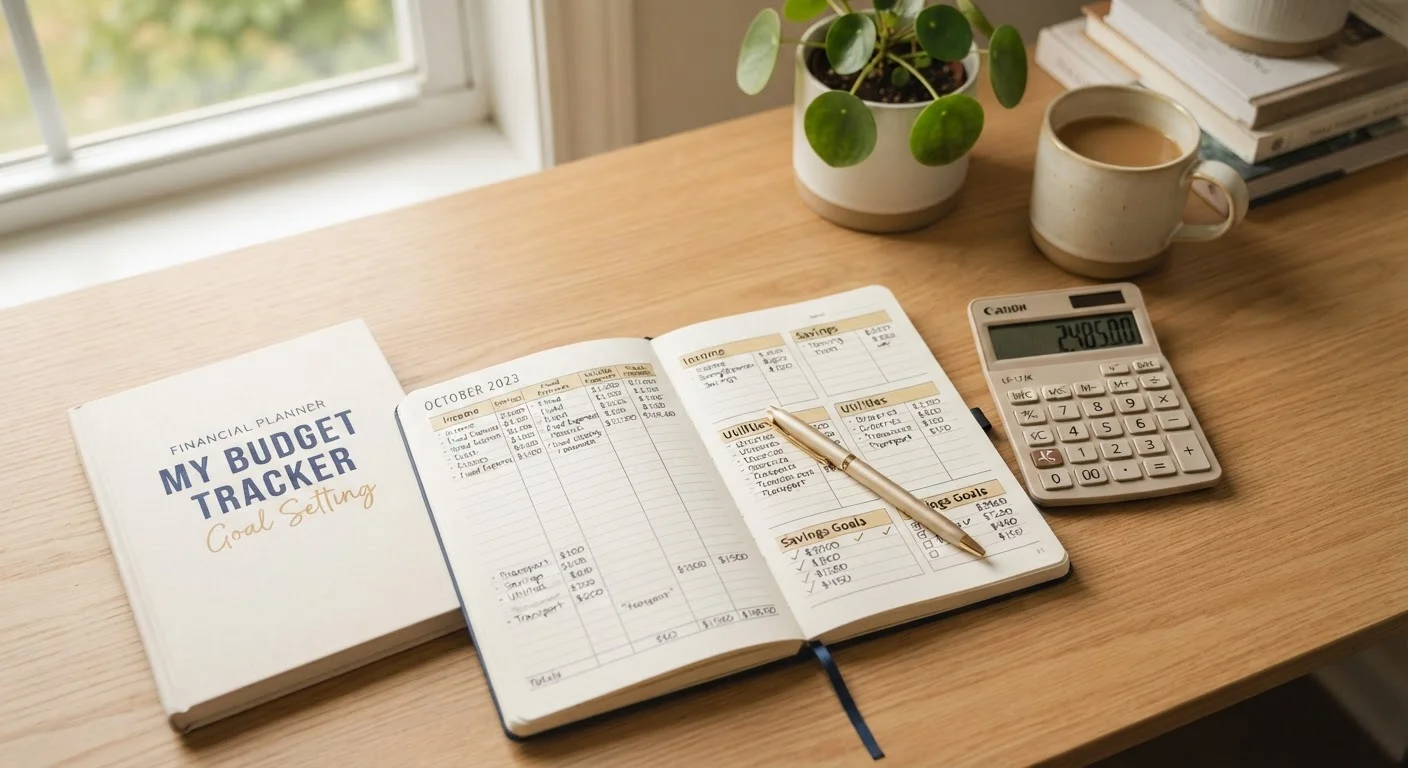
- Spreadsheets: A simple table with category names, allocated amounts, and running totals replicates the envelope structure entirely. Apps and spreadsheets each have distinct trade-offs depending on your habits and comfort level.
- Multiple bank accounts: Some people use separate checking or savings accounts for discretionary categories - effectively digital envelopes with their own balances.
The method also fits neatly within a broader personal budgeting framework. If you want to understand how envelope logic connects to income tracking and longer-term financial goals, a complete overview of personal budgeting covers the full landscape.
Who Benefits Most - and Where It Gets Complicated
Envelope budgeting tends to work especially well for people who overspend on discretionary categories without realizing it, who feel anxious about vague account balances, or who've tried tracking spending but haven't changed their habits as a result. The pre-commitment structure removes the in-the-moment decision about whether a purchase fits the budget - the envelope already answered that question.
It's less naturally suited to people with highly variable incomes, where the month-to-month allocation logic becomes harder to anchor. Irregular income budgeting requires different strategies that account for income unpredictability before a fixed-envelope system can be layered on.
A few practical friction points to anticipate:
- Shared expenses between spouses or partners require agreement on category limits and a shared system for recording spending.
- Credit card rewards users face a mismatch, since the envelope logic works best when spending is debited immediately from the category balance - not paid off a month later.
- Annual or irregular expenses (car registration, medical copays) need their own envelope funded monthly in small increments to avoid blowing a budget when they arrive.
For readers new to intentional spending, a practical introduction for new budgeters provides useful groundwork before committing to any one system.
This article is for general informational and educational purposes only and does not constitute personalized financial advice. Consult a qualified financial professional for guidance specific to your situation.