
Why most tracking attempts fail early
Most people who try to track their spending quit within the first month - not because they lack discipline, but because they chose a method that created too much friction. A system that requires ten minutes of daily data entry, or an app that feels overwhelming on day one, will eventually be abandoned no matter how motivated you started out.
The spending habits and methods that actually stick share a common trait: they're designed around the way you already live, not an idealized version of how you think you should behave. Whether you're building your first monthly budget or overhauling a system that stopped working, the tracking layer underneath it needs to be sustainable first. This list focuses on approaches that hold up in real life - not just in theory.
Tracking is information, not judgment
Spending tracking is a tool for awareness, not a measure of personal worth. The goal is to understand your patterns so you can make deliberate choices - not to achieve a perfect record or feel guilty about past decisions. Approach the data with curiosity rather than criticism, and you'll find it easier to sustain the habit over time.
Six tracking habits worth building
Start with a manual log for at least two weeks
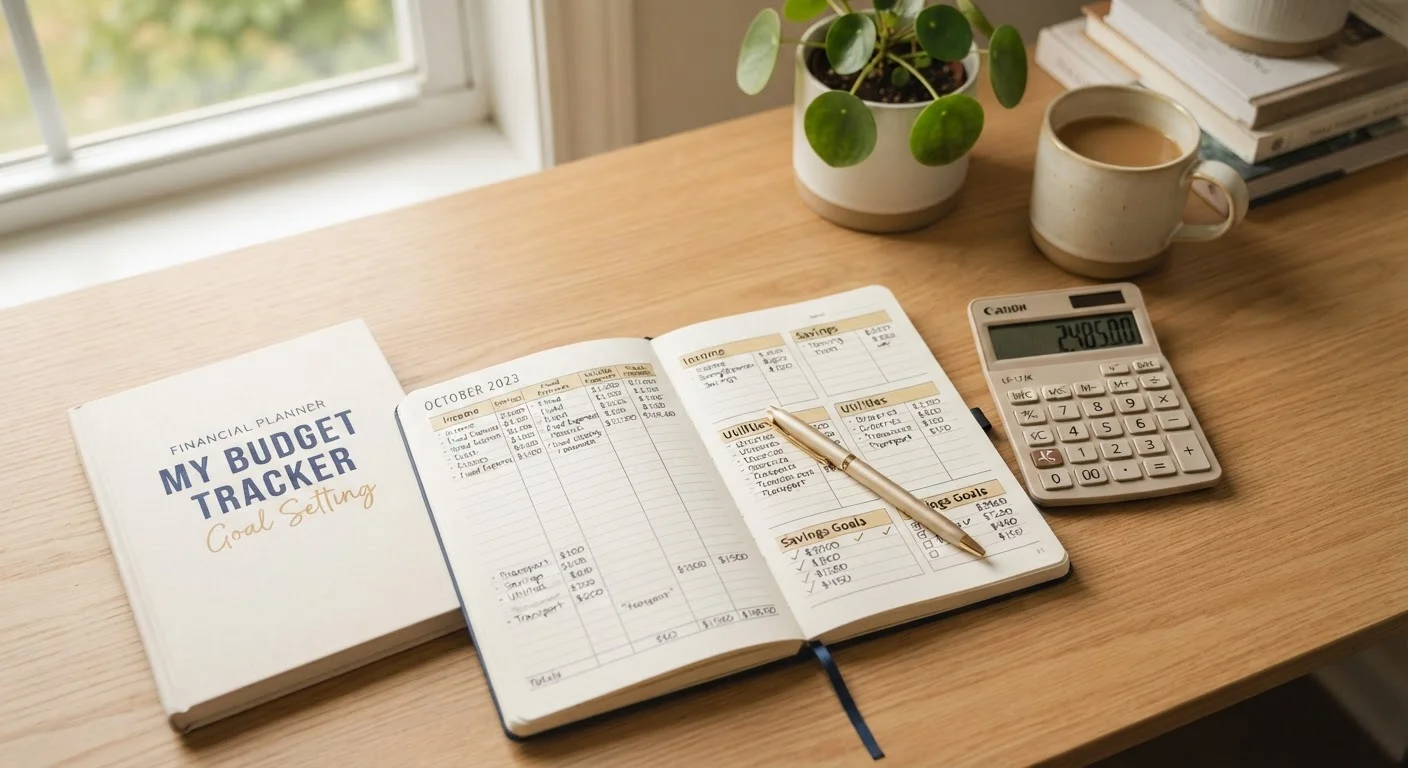
Before automating anything, spend two weeks writing down every purchase by hand - or typing it into a notes app immediately after each transaction. This manual phase isn't meant to be permanent; it's designed to build awareness. When you physically record a $6 coffee or a $23 impulse buy, you're forced to confront the decision in a way that passive bank statements don't replicate.
Keep it simple: date, merchant, amount, and a rough category (food, transport, entertainment). The act of logging creates a pause between spending and forgetting. Most people discover two or three recurring drains they weren't consciously aware of during this phase alone.
Writing down purchases manually creates a pause that passive bank statements simply don't replicate.
Categorize expenses to separate fixed from variable costs
Raw transaction lists show you what you spent - categories show you why it matters. Grouping expenses into fixed (rent, insurance, loan payments) and variable (dining, clothing, subscriptions) reveals which costs are locked in and which ones you can actually influence. Understanding fixed vs. variable expenses is the first step to controlling where your money goes each month.
Use broad categories at first - housing, food, transportation, personal, entertainment - then narrow them down as patterns emerge. Avoid creating so many subcategories that upkeep becomes a burden. Six to eight categories is enough for most households to get meaningful signal without overwhelming the process.
Categories reveal which costs are locked in and which ones you can actually influence.
Use a dedicated tracking tool that matches your habits
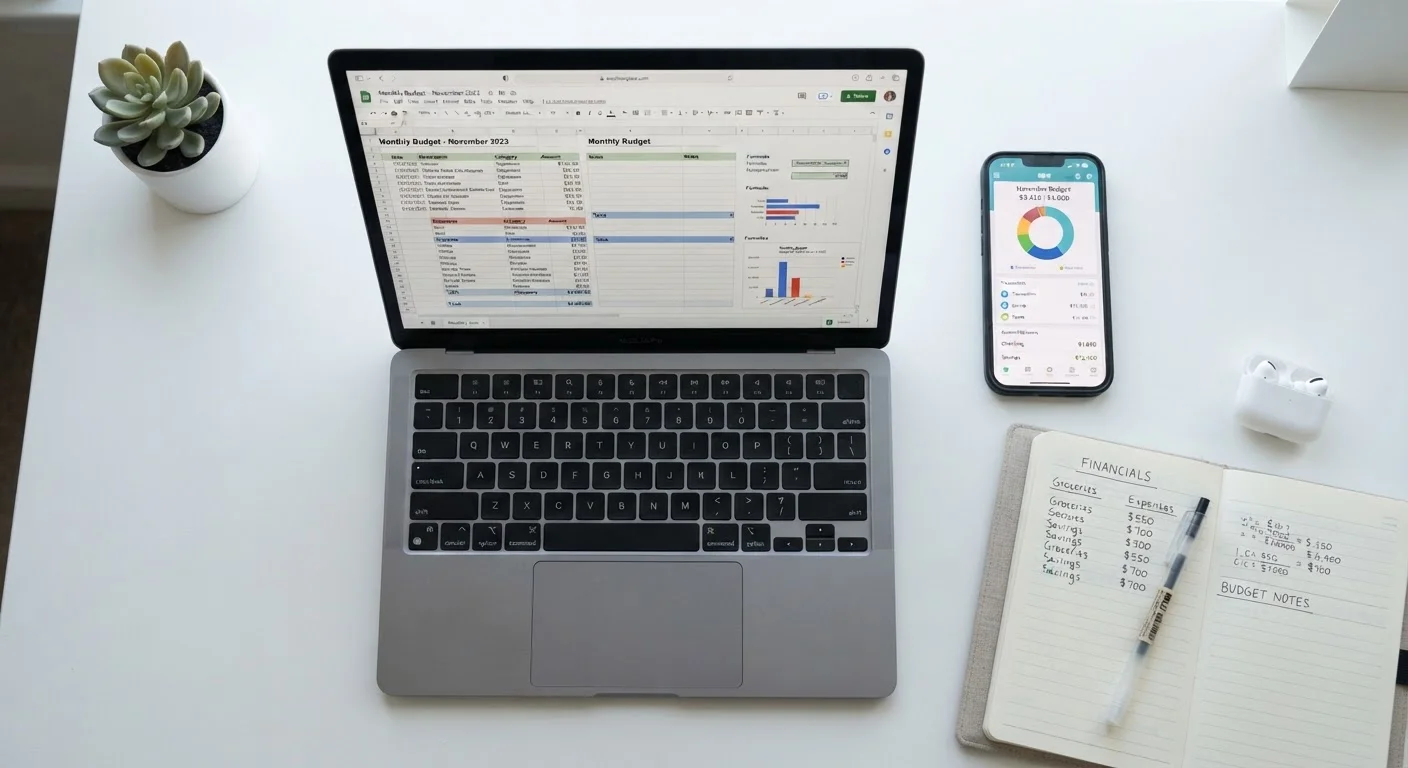
The best tracking tool is the one you'll actually use consistently. Some people work well with a spreadsheet they control entirely; others prefer apps that pull transactions automatically from linked accounts. Neither is objectively superior - what matters is fit. Budgeting apps vs. spreadsheets each have real tradeoffs worth understanding before you commit to one.
If you find yourself avoiding your tracker, that's a signal the tool doesn't suit your style - not that tracking itself is impossible for you. Try a different format before concluding that spending awareness isn't for you.
The best tracking tool is the one you'll actually return to without needing to force yourself.
Schedule a weekly ten-minute spending review
Data collected but never reviewed is just noise. A short weekly check-in - ten minutes, same day each week - transforms transaction records into genuine insight. Review your category totals against any targets you've set, flag anything unexpected, and note whether you're pacing toward your monthly limits.
Consistency matters more than perfection here. Missing one week doesn't erase the habit; skipping six weeks in a row does. Pick a low-friction time - Sunday evening, Monday morning - and pair it with something you already do, like making coffee. Small rituals anchor new habits more reliably than motivation alone.
A consistent weekly review turns collected data into decisions you can actually act on.
Audit your recurring subscriptions and automatic charges
Automatic charges are tracking's blind spot. Because they don't require active decisions, they accumulate invisibly - streaming services, gym memberships, software trials that converted, annual renewals you forgot about. A dedicated subscription audit, done at least once a quarter, is a tracking habit in its own right.
Pull up three months of bank and credit card statements and flag every recurring charge. Verify that each one is still actively used and deliberately chosen. The spending audit framework is a useful structure for tracing these recurring costs across every part of your household budget.
Automatic charges accumulate invisibly - a quarterly subscription audit is essential, not optional.
Create a friction point before discretionary purchases
Tracking works best when it shapes behavior in real time, not just in retrospect. One effective technique is to add a brief deliberate pause before non-essential purchases - checking your current category balance before clicking "confirm" or asking whether the item fits this month's plan. Strategies like the 30-day rule formalize this pause and reduce impulse spending significantly for many people.
This isn't about restriction - it's about making spending conscious rather than reflexive. When a purchase is still the right call after a moment of reflection, you can make it with confidence rather than regret.
Making spending conscious rather than reflexive is the core goal of any tracking habit.
Turning awareness into a lasting financial habit
Spending awareness is the foundation that every other financial goal rests on. You can't reduce debt, grow savings, or plan for the future without an honest picture of where your money is going right now. The six methods above work because they lower the cost of consistency - small, regular actions rather than monthly heroics.
Once your tracking habit is stable, it connects naturally to a broader financial picture. The complete overview of personal budgeting covers how to layer longer-term goals on top of a solid tracking foundation - and how the insights you gather each month can guide decisions well beyond the current billing cycle. Start with one method from this list, give it thirty days, and adjust from there.
This article is for general informational and educational purposes only and does not constitute personalized financial advice. Consult a qualified financial professional for guidance specific to your situation.