
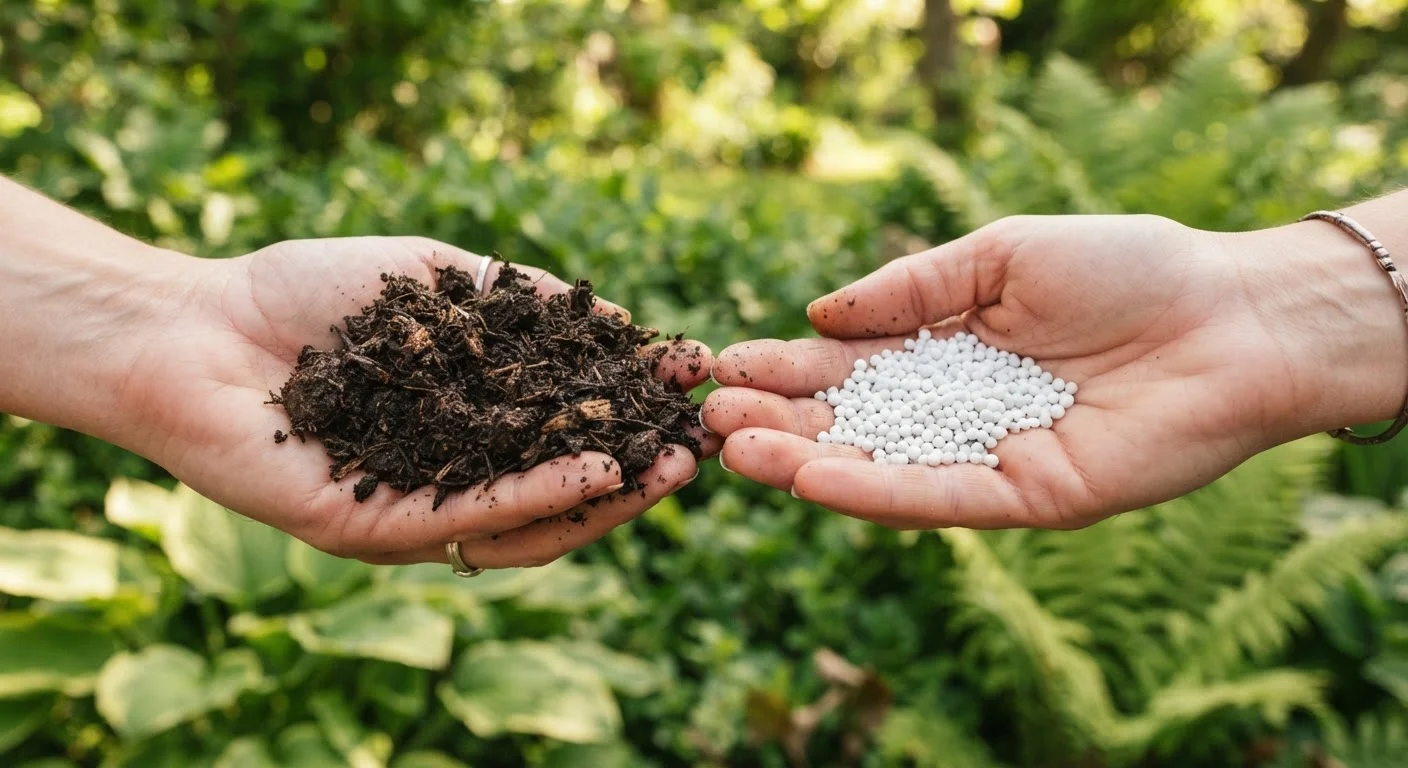
How Each Type of Fertilizer Works
Fertilizers supply plants with three primary nutrients - nitrogen (N), phosphorus (P), and potassium (K) - along with various secondary and trace minerals. The fundamental difference between organic and synthetic fertilizers isn't what they deliver, but how they deliver it.
Organic fertilizers come from naturally occurring plant, animal, or mineral sources - think compost, bone meal, blood meal, kelp, and worm castings. These materials must be broken down by soil microbes before plants can absorb the nutrients. This process is slower, but it feeds the living ecosystem within your soil at the same time.
Synthetic fertilizers are manufactured to contain nutrients in forms that plant roots can absorb almost immediately. They're typically labeled with a clear N-P-K ratio (for example, 10-10-10), making it straightforward to target a specific deficiency quickly.
Comparing Key Characteristics
Understanding how these two approaches measure up across practical factors helps gardeners make an informed choice for their specific situation.
| Organic Fertilizer | Synthetic Fertilizer | |
|---|---|---|
| Nutrient Release Speed | Slow (weeks to months) | Fast (days) |
| Soil Health Impact | Builds microbial life and structure | Neutral to potentially disruptive over time |
| Risk of Over-Application | Lower risk | Higher risk of burn or salt buildup |
| Nutrient Consistency | Variable by source | Precise, label-stated ratios |
| Cost | Varies; often higher per bag | Generally lower upfront cost |
| Environmental Runoff Risk | Lower when properly applied | Higher, especially with heavy rainfall |
One thing the table doesn't fully capture is the effect on soil microbiology. Organic fertilizers actively nourish beneficial bacteria and fungi, which in turn improve soil structure, drainage, and the plant's ability to resist disease. Synthetic fertilizers, if over-applied, can raise soil salt levels and potentially disrupt that microbial balance over time.
Pros, Cons, and Common Mistakes
Each approach carries trade-offs that are worth understanding before you commit to a fertilizing routine.
Organic Fertilizer
- Pros: Improves soil texture and water retention, lower risk of over-fertilizing, supports soil biology, and reduces runoff risk.
- Cons: Slower to show results, nutrient content varies by source, and some products (like manure) carry pathogen risks if not properly composted.
Synthetic Fertilizer
- Cons: Nutrients can leach through soil quickly - especially in sandy soils or heavy rain - and repeated exclusive use can degrade soil organic matter over time.
- Pros: Fast-acting, consistent nutrient ratios, and widely available in formulations targeting specific plant needs.
More Fertilizer Is Not Always Better
Over-fertilizing is one of the most common gardening mistakes, and it applies to both organic and synthetic types. Excess nitrogen can burn plant roots, cause leafy growth at the expense of fruit or flowers, and contribute to waterway pollution through runoff. Always follow the application rates on the product label and base decisions on a soil test when possible.
Many gardeners get the best results by using organic amendments as a foundation - applied at the start of the season - and reserving synthetic fertilizers for targeted mid-season corrections when a soil test reveals a specific deficiency.
Making the Right Choice for Your Garden
Before choosing a fertilizer, consider getting a soil test from your local cooperative extension service. A soil test will tell you exactly which nutrients are lacking, which removes much of the guesswork and prevents over-applying nutrients your soil already has plenty of.
If you're building a new garden bed or working sandy or clay-heavy soil, organic amendments offer cumulative benefits that synthetic fertilizers simply can't match. If you're growing in established beds and notice yellowing leaves mid-season, a targeted synthetic application can correct a nitrogen shortage in days rather than weeks.
It's also worth considering the broader environment: both types of fertilizer can contribute to water runoff and nutrient pollution if over-applied, so following label guidance and avoiding application before heavy rain are good practices regardless of type.
Just as choosing between motor oil types depends on your engine's specific needs - something we explore in our guide to synthetic vs. conventional motor oil - choosing a fertilizer comes down to understanding your garden's specific conditions and goals.