Where the Term Comes From
The phrase "ultra-processed" entered mainstream nutrition conversation largely through the work of epidemiologist Carlos Monteiro and colleagues at the University of São Paulo, who introduced the NOVA classification system in the early 2010s. NOVA groups all foods into four categories based on how they were made and why:
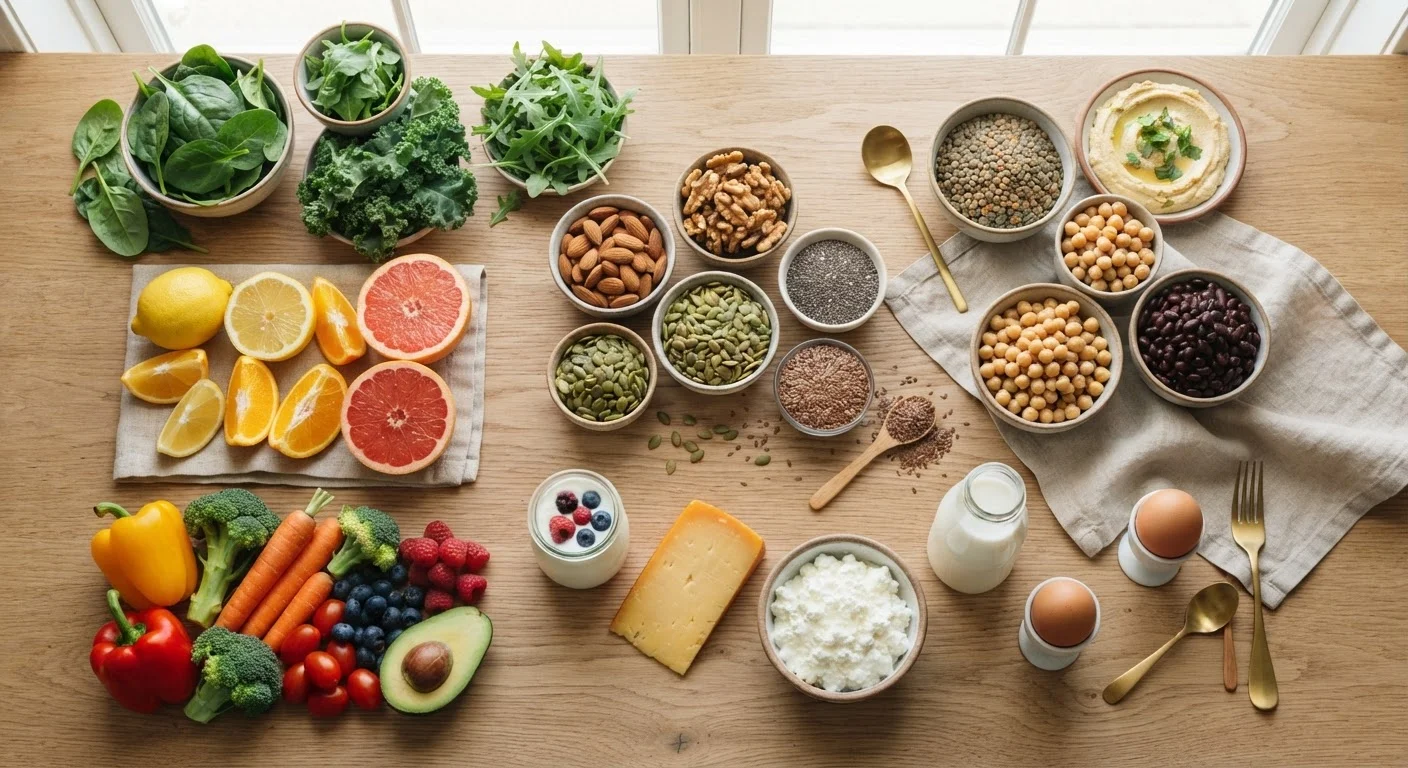
- Group 1: Unprocessed or minimally processed foods (fresh produce, plain meats, eggs)
- Group 2: Processed culinary ingredients (oils, flours, salt, sugar)
- Group 3: Processed foods (canned beans, cheese, cured meats)
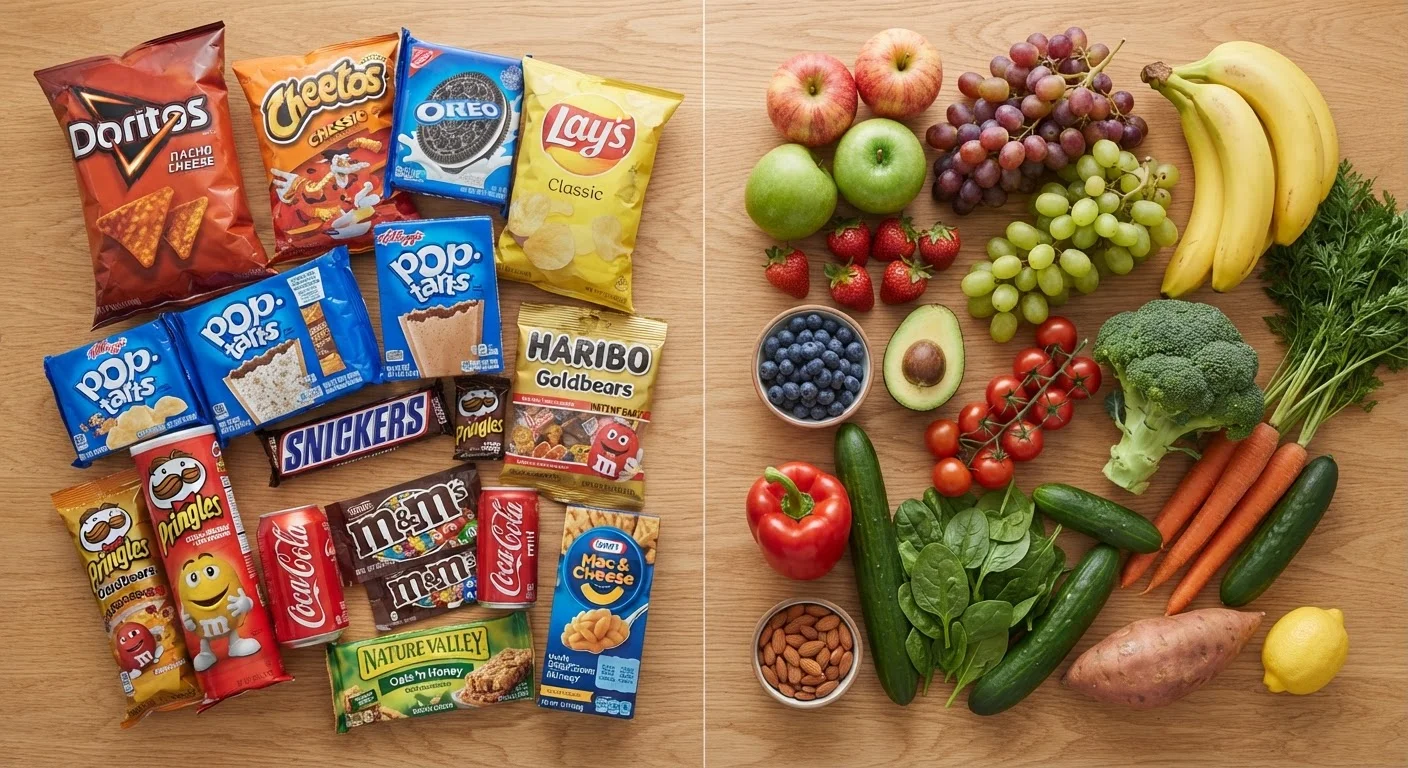
- Group 4: Ultra-processed foods - industrially formulated products with little or no whole food content
The NOVA framework has been adopted by researchers worldwide and incorporated into some national dietary guidelines, though it also has scientific critics who argue that classifying foods by process alone doesn't fully capture nutritional complexity. Understanding that nuance is important when interpreting headlines about this topic.
What Makes Something Ultra-Processed
The defining feature of ultra-processed foods isn't simply that they come in a package or contain more than five ingredients. It's that their production relies on industrial substances and techniques rarely replicated at home. Key markers include:
- Ingredients derived through processes like hydrolysis, extrusion, or hydrogenation
- Additives serving cosmetic or palatability functions: artificial flavors, colorants, emulsifiers, thickeners
- Formulations designed primarily for hyper-palatability, extended shelf life, or convenience
Examples span a wide range of foods: packaged cookies and pastries, carbonated soft drinks, instant noodles, reconstituted chicken nuggets, flavored plant-based meat alternatives, and many ready-to-eat breakfast cereals. Notably, a product can be marketed as "natural" or even "organic" and still meet NOVA's criteria for ultra-processed if it uses qualifying additives or industrial techniques.
For broader context on how dietary patterns - not just individual foods - affect long-term health, see eating patterns research links to long-term health.
A Note on Label Language
Terms like "natural," "minimally processed," or "clean label" on food packaging are marketing descriptions and are not regulated to reflect the NOVA classification or any standardized scientific definition. A food can carry these labels and still contain additives that researchers classify as ultra-processed. Reading the full ingredient list remains more informative than front-of-package claims.
What the Research Is Currently Finding
A growing body of observational research has associated high ultra-processed food consumption with elevated risk of several health outcomes, including cardiovascular disease, type 2 diabetes, obesity, depression, and certain cancers. Large prospective studies published in journals such as The BMJ and JAMA Internal Medicine have found these associations even after adjusting for overall calorie intake and nutritional content.
57%
Share of U.S. adult calorie intake from ultra-processed foods
A study published in BMJ Open (Martínez Steele et al., 2017) estimated that ultra-processed foods accounted for roughly 57% of total energy intake among U.S. adults.
+10%
Associated increase in cardiovascular disease risk
A large French cohort study (NutriNet-Santé) published in The BMJ found each 10-percentage-point increase in ultra-processed food consumption was associated with a 12% higher risk of overall cardiovascular disease.
~500 kcal/day
Extra calories consumed on ultra-processed diet
In Hall et al.'s 2019 randomized controlled trial in Cell Metabolism, participants on an ultra-processed diet consumed approximately 500 more calories per day than those on a minimally processed diet.
However, it's important to read these findings carefully. Observational studies establish association, not causation. People who eat more ultra-processed foods may also differ in other lifestyle factors - income, physical activity, stress - that independently affect health. Researchers are actively working to disentangle processing effects from overall diet quality.
A notable exception is a small randomized controlled trial published in Cell Metabolism (Hall et al., 2019), which found that participants assigned to an ultra-processed diet consumed significantly more calories and gained more weight than those eating a minimally processed diet, even when nutritional content was matched - suggesting processing itself may play a role beyond nutrients alone. That said, one controlled trial is far from a final verdict, and the field continues to evolve.
Some researchers and dietitians caution against overstating current evidence. As noted in the nutrition literature, the NOVA system's broad categorical definitions mean a diet soda and a whole-grain fortified cereal may be classified identically, which complicates clear-cut dietary guidance. This is worth keeping in mind when evaluating popular nutrition claims.
Practical Takeaways for Everyday Eating
Nutrition researchers generally don't advocate for eliminating all processed foods - that's neither realistic nor necessarily supported by evidence. Instead, the practical guidance emerging from this research points toward shifting the balance of one's diet toward minimally processed whole foods over time.
Some realistic, evidence-informed directions include:
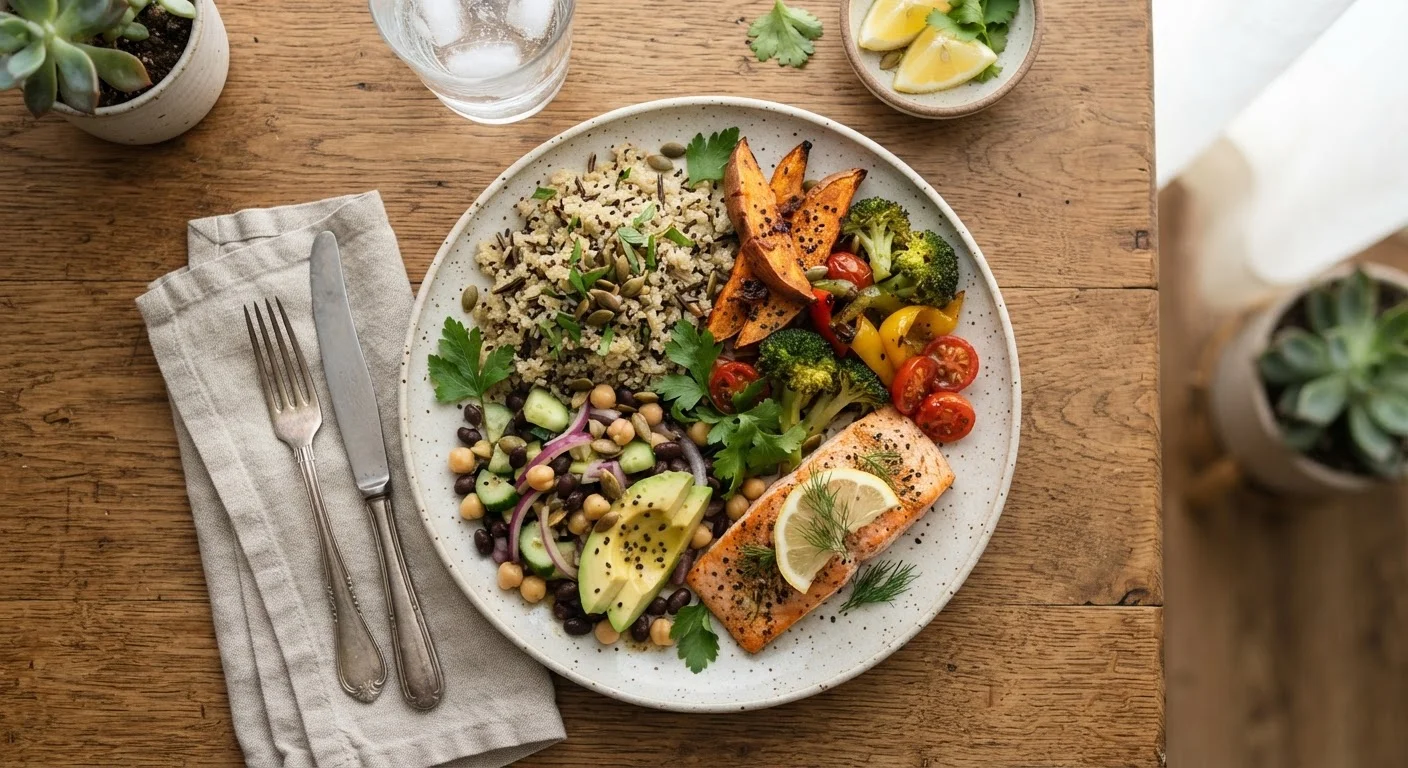
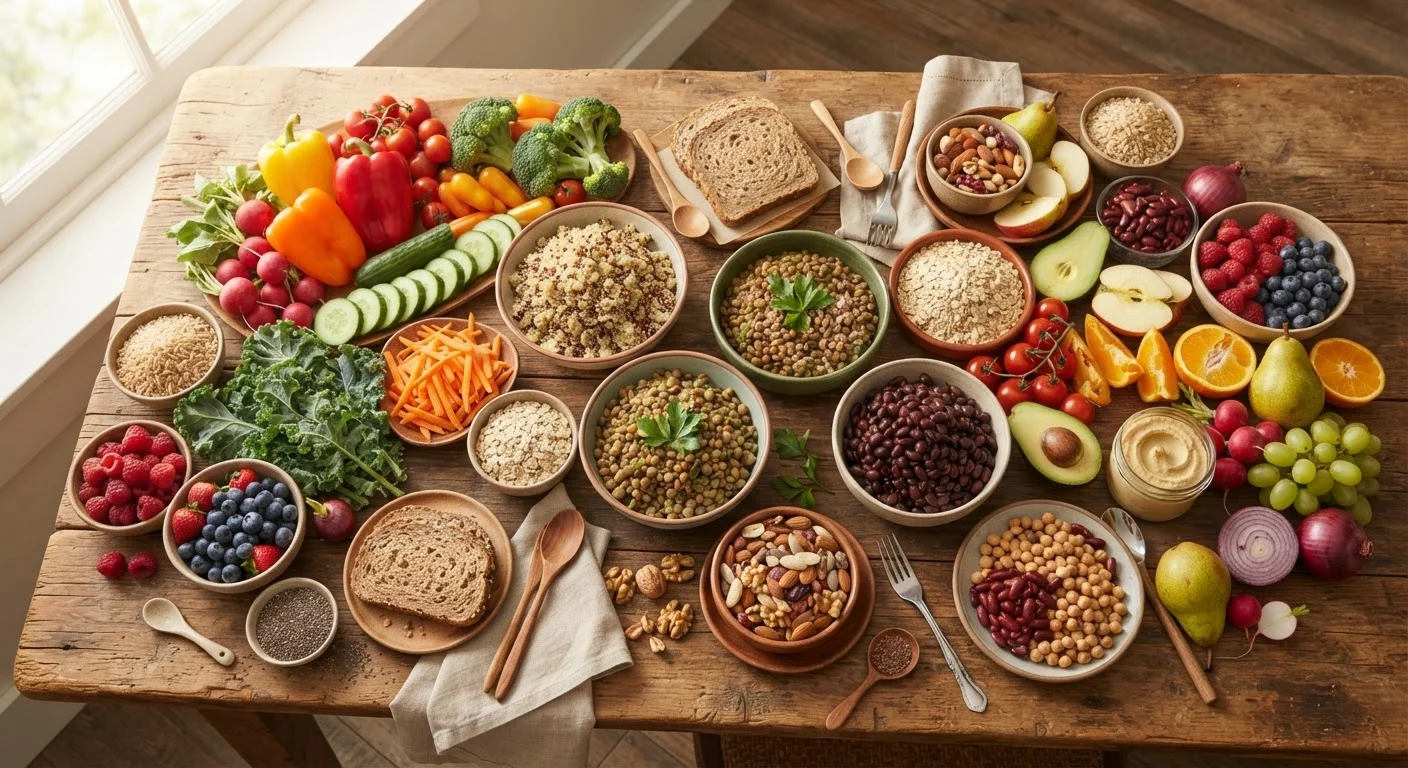
- Prioritizing whole or minimally processed foods as meal foundations (vegetables, legumes, whole grains, eggs, plain dairy)
- Reading ingredient lists to become more familiar with additive-heavy products
- Cooking at home more frequently, which naturally reduces exposure to industrial additives
- Not viewing occasional ultra-processed food consumption as a dietary failure - overall patterns matter more than individual choices
Food access, cost, time, and cultural preferences all shape what people can realistically eat. Sustainable dietary change works best when it's gradual and fits real-life circumstances. A registered dietitian can help translate these general principles into a practical plan for your specific situation.
This article is for general informational and educational purposes only and does not constitute medical or nutritional advice. Consult a qualified healthcare professional or registered dietitian for guidance tailored to your individual health needs.