Understanding What Kind of Skid You're In
A skid happens when one or more tyres lose traction with the road surface. That loss of grip can stem from speed, a slick surface, sudden braking, or abrupt steering - often a combination of these. Before you can respond correctly, you need to recognize which type of skid is occurring, because the two most common types call for different actions.
Understeer (front-wheel skid): The front wheels lose grip, and the car plows straight ahead even though you're turning the wheel. This is most common in front-wheel-drive vehicles. The car feels like it's ignoring your steering input.
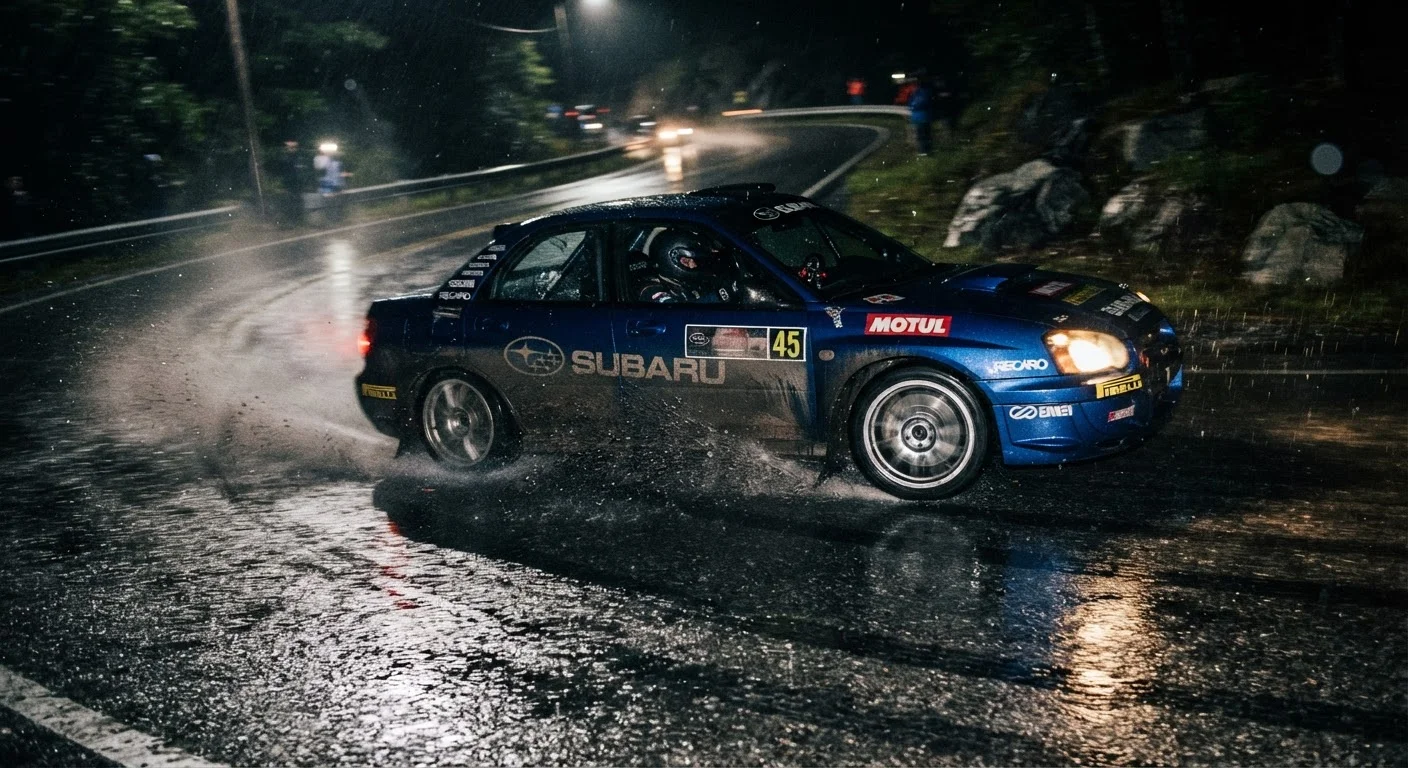
Oversteer (rear-wheel skid): The rear end of the car swings out to one side. This is more common in rear-wheel-drive vehicles and can happen in any car during sudden braking or sharp cornering. The back of the car feels like it's trying to overtake the front.
Wet roads, ice, and packed snow dramatically reduce the friction your tyres need to steer and stop. See our guide to driving in rain, snow, and fog for advice on adjusting your speed and spacing before a skid ever starts.
Practice Before You Need It
Reading about skid recovery is not the same as feeling it. Consider taking a vehicle dynamics or winter driving course in a controlled environment. Many community colleges and driving schools offer hands-on skid-pad training that lets you practice these responses safely before they matter on a real road.
Step-by-Step: How to Recover from a Skid
The steps below apply to standard passenger vehicles without specialized off-road or performance tuning. If your vehicle has electronic stability control (ESC) - most cars built after 2012 are required to have it - the system will apply brakes to individual wheels automatically, but you should still follow these principles to work with it, not against it.
Stay Calm and Resist Braking Hard
The moment you feel the car slide, resist the urge to slam the brakes. Abrupt, hard braking locks the wheels (on vehicles without ABS) or overwhelms the ABS system, reducing your ability to steer. Keep your foot off the brake initially, or apply very light, steady pressure if you must slow down.
Ease Off the Accelerator
Lift your foot off the gas pedal smoothly - don't snap it off. Reducing power lets the tyres slow gradually and begin finding traction again without the added complication of driven wheels spinning or locking.
Look Where You Want to Go
Your hands tend to follow your eyes. Fix your gaze on the space where you want the car to end up - the center of your lane, a safe gap in traffic - not on the obstacle you're trying to avoid. This mental redirection is surprisingly powerful and is a core principle taught in advanced driving courses.
Steer Into the Skid - Correctly for Your Skid Type
For a rear-wheel (oversteer) skid: Turn the steering wheel in the same direction the rear is sliding. If the rear swings right, steer right. This is called 'steering into the skid' and helps bring the car back into alignment.
For a front-wheel (understeer) skid: Straighten the wheel slightly - you're asking the front tyres to do too much at once. Reducing steering angle lets them regain grip so you can then steer again with more control.
Straighten Out and Regain Steady Control
As the car responds and begins to align with your intended direction, gradually return the steering wheel toward center. Once the tyres regain grip and the car is tracking straight, you can apply gentle brake pressure to reduce speed if needed. Avoid sudden movements - smooth inputs keep the tyres working efficiently.
Staying Calm Under Pressure
The biggest obstacle to correct skid recovery is panic. When the car unexpectedly loses direction, the natural impulses - stomp the brakes, wrench the wheel - are almost exactly wrong. Muscle memory built through understanding (and ideally practice) overrides that panic reflex.
A useful mental exercise: picture your normal daily commute and imagine a patch of black ice in a specific curve. Walk yourself through each step above - lift off the gas, look where you want to go, steer gently. Doing this kind of visualization when you're calm makes the response feel more familiar when it matters.
Also worth remembering: space is your safety margin. Keeping a larger following distance and reducing speed in poor conditions gives you more time to react before a skid ever develops. Prevention will always be more reliable than recovery.
Don't Overcorrect the Steering
Turning the wheel too far - or too fast - while recovering from a skid can trigger a second skid in the opposite direction, called a counter-skid or 'fish-tail.' Use small, deliberate steering adjustments and ease off as the car begins to straighten. Overcorrection is one of the most common causes of spin-outs.