
Making an Offer
Once you've found a home you want to purchase, your real estate agent will help you draft a written offer. This document specifies the price you're willing to pay, your proposed closing date, and any conditions - called contingencies - that must be met for the sale to proceed. Sellers may accept, reject, or counter your offer. If they counter, you can negotiate back and forth until both parties agree or one walks away. For a buyer-side perspective on how those negotiations unfold, see how sellers approach counteroffers - understanding their position helps you negotiate more effectively.
The Purchase Agreement
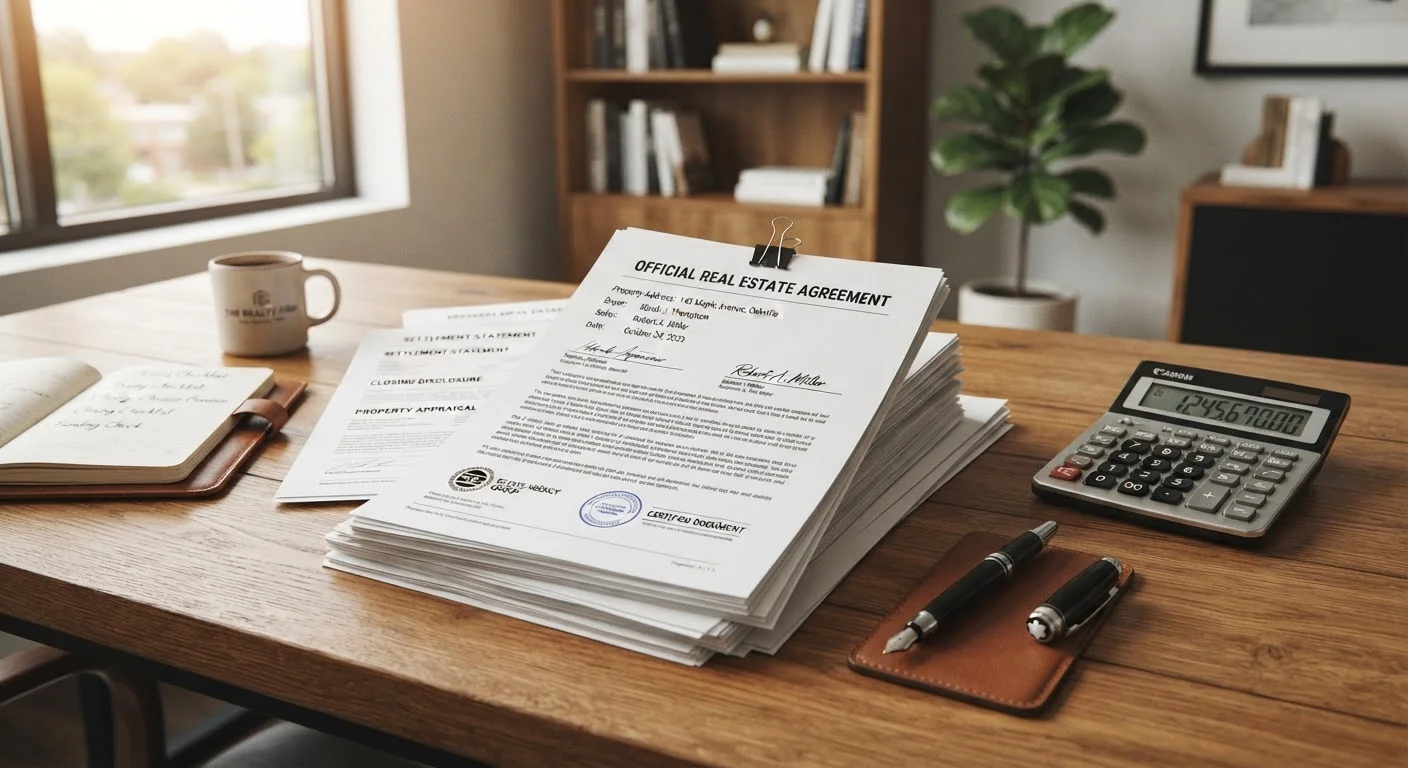
When both parties agree on terms, you sign a purchase agreement (also called a sales contract or purchase contract). This is the legally binding document that governs the entire transaction. It details the agreed price, what stays with the home (fixtures, appliances), the closing date, and the contingencies protecting each side. Read it thoroughly before signing. If any term is unclear, ask your agent or a real estate attorney to explain it. Many of the terms you'll encounter are defined in plain language in our real estate glossary.
Get Everything in Writing
Verbal agreements between buyers and sellers carry no legal weight in a real estate transaction. Any change to the purchase agreement - an extension of the closing date, a repair credit, an item added to the sale - must be documented in a written addendum signed by both parties. Your agent can prepare these amendments; never rely on a handshake.
Earnest Money and Escrow
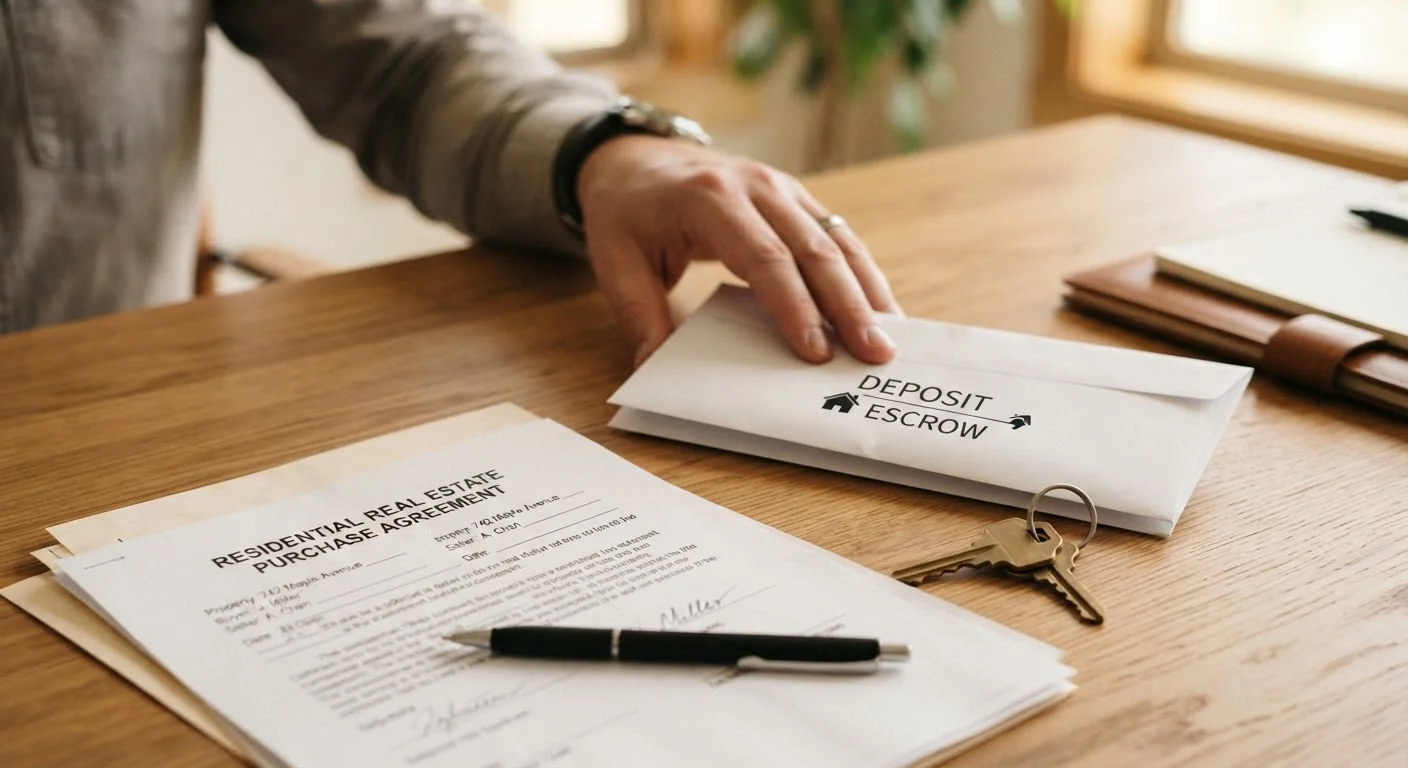
Earnest money is a deposit - typically 1-3% of the purchase price - that demonstrates your commitment to the transaction. It is held by a neutral third party in an escrow account until closing, at which point it is applied toward your down payment or closing costs. If you back out for a reason not covered by a contingency, you may forfeit this deposit. If the seller cancels without cause, the deposit is generally returned to you. Escrow also holds funds and documents throughout the transaction, releasing them only when all conditions are satisfied.
Inspections and Contingencies
A home inspection is one of the most important steps in protecting your investment. A licensed inspector examines the property's structure, electrical systems, plumbing, HVAC, roof, and more, then delivers a written report. If significant issues are found, you can negotiate repairs, request a price reduction, or - if your contract includes an inspection contingency - walk away with your earnest money intact.
Common contingencies include:
- Inspection contingency: Sale proceeds only if inspection results are acceptable.
- Financing contingency: Sale proceeds only if your mortgage is approved.
- Appraisal contingency: Sale proceeds only if the home appraises at or above the agreed price.
Waiving contingencies can make an offer more competitive in a hot market, but it increases your financial risk substantially.
Think Carefully Before Waiving Contingencies
In competitive markets, buyers sometimes waive inspection or financing contingencies to make their offers stand out. While this can help win a bidding war, it also means you could lose your earnest money deposit if financing falls through or a major defect is discovered. Consult with your agent about the risks specific to the property and market before removing any protective clause.
The Mortgage Underwriting Process
After your offer is accepted, your lender begins underwriting - the process of verifying your income, assets, debts, credit history, and the property's value to decide whether to approve your loan. An appraiser hired by the lender will assess the home's market value independently. Underwriting typically takes two to six weeks. During this period, avoid opening new credit accounts, making large purchases, or changing jobs, as these can affect your debt-to-income ratio and jeopardize approval.
2-6 weeks
Typical mortgage underwriting timeline
The Consumer Financial Protection Bureau notes that underwriting timelines vary by lender, loan type, and application completeness.
2-5%
Closing costs as a share of loan amount
Closing costs vary by location, loan type, and lender; buyers should request a Loan Estimate early to understand their expected total.
1-3%
Typical earnest money deposit range
The exact amount is negotiable and may vary by local custom and market competitiveness.
Title Search and Homeowners Insurance
A title search examines public records to confirm the seller has the legal right to sell the property and that no liens, judgments, or ownership disputes are attached to it. A title company or real estate attorney typically performs this search. Most lenders require you to purchase lender's title insurance, which protects the lender if a title defect surfaces later. An owner's title insurance policy, which protects your equity, is optional but widely recommended.
You'll also need to secure a homeowners insurance policy before closing - your lender will require proof of coverage. Shop for coverage early so you're not rushed in the final days before settlement.
Closing Day: What to Expect
At least three business days before closing, your lender must send you a Closing Disclosure - a standardized document itemizing your final loan terms, monthly payment, and all closing costs. Compare it against your Loan Estimate and ask your lender to explain any differences.
Before closing, conduct a final walkthrough of the property - usually within 24 hours of settlement - to confirm it's in the agreed condition and any negotiated repairs are complete. Use our pre-closing checklist to make sure nothing is overlooked.
At the closing table, you'll sign a substantial stack of documents, pay your closing costs (typically 2-5% of the loan amount) via certified or wired funds, and receive the keys. Once all documents are signed and funds are disbursed, the deed is recorded and the home is legally yours.
If you're also curious about what this process looks like from the other side of the table, our home selling process guide offers a parallel walkthrough for sellers.