
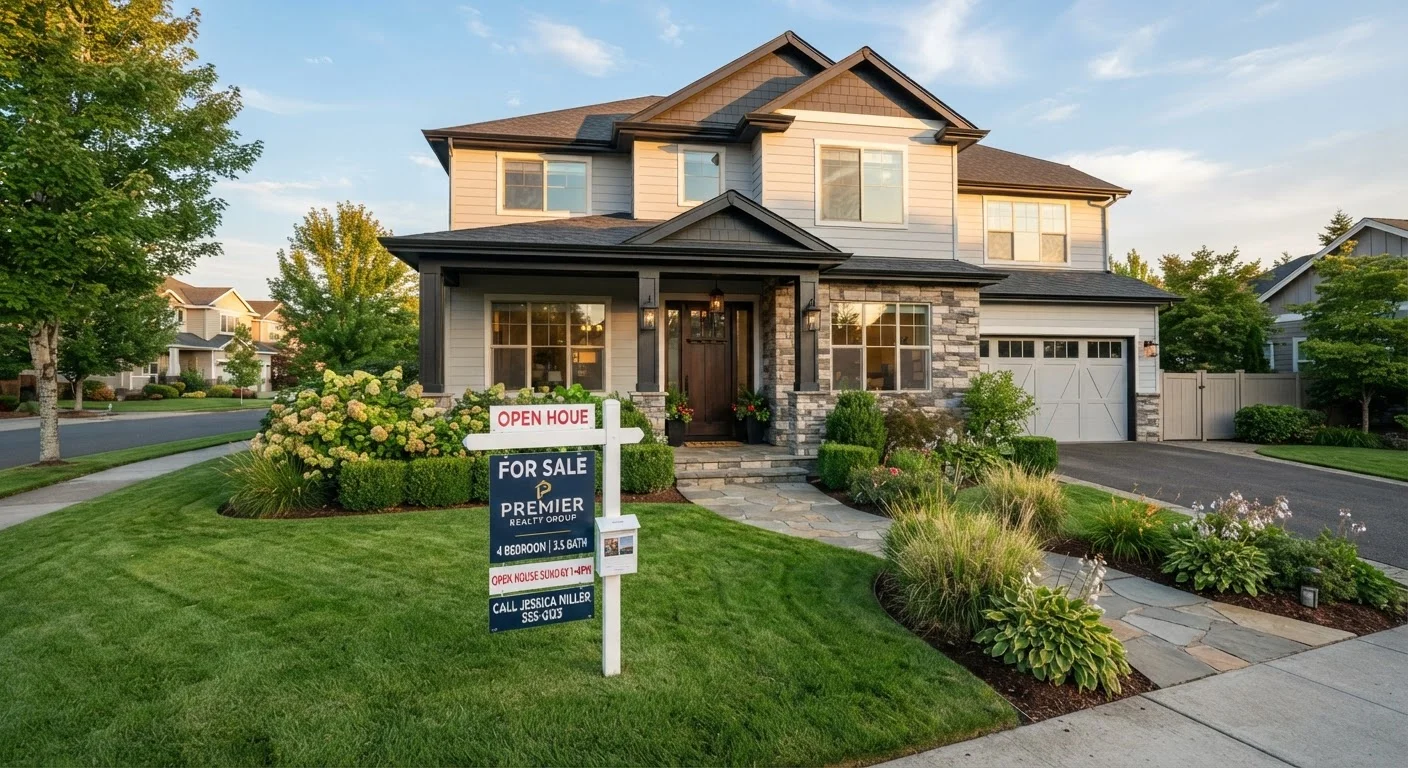
Deciding to Sell: Setting Goals Before You List
Before contacting an agent or researching home values, clarify your own objectives. Are you relocating for work on a fixed timeline, or do you have flexibility to wait for the right offer? Do you need proceeds from this sale to fund the purchase of your next home? Your answers shape every decision that follows - from how aggressively you price the property to which contingencies you're willing to accept.
This is also the moment to understand your financial position. Request a mortgage payoff statement from your lender so you know exactly how much equity you hold. Factor in selling costs - agent commissions, transfer taxes, title fees, and any repairs - before assuming your net proceeds. A listing agent or real estate attorney can help you build a realistic net sheet early in the process.
If you're simultaneously buying another property, review how your sale and purchase timelines interact. For a closer look at what happens on the buying side of a transaction, see our walkthrough of the home buying process.
Pricing Your Home Correctly
Pricing is the lever with the greatest impact on your outcome. List too high and buyers scroll past; too low and you leave money on the table or signal hidden problems. A Comparative Market Analysis (CMA) - prepared by a licensed agent - examines recent sales of comparable homes in your area, adjusting for size, condition, location, and features.
6-10%
Typical total selling cost as share of sale price
Includes agent commissions (commonly 5-6%) plus closing costs such as transfer taxes and title fees.
18 days
Median days on market before contract (national median)
National Association of Realtors data indicates well-priced, well-prepared homes in active markets often go under contract within weeks.
~1-3%
Typical earnest money deposit range
Earnest money signals buyer commitment and is applied toward the purchase price or closing costs at settlement.
Market conditions matter. In a seller's market, where inventory is low and demand is high, modest overpricing may still attract offers. In a buyer's market, even a well-prepared home can sit if priced above comparable sales. An independent appraisal ($300-$600 on average) can provide an objective data point before you commit to a list price, though it is not required at the listing stage.
Understand that the longer a home sits on the market without selling, the more buyers wonder what's wrong with it - a phenomenon agents call "listing fatigue." A well-supported price from day one avoids this trap.
Preparing and Staging Your Home
Buyers form impressions quickly, often within seconds of seeing photos online. Address deferred maintenance - leaky faucets, cracked caulk, broken fixtures - before listing. These items are inexpensive to fix but easy for buyers to flag as negotiating leverage during inspection.
Staging means arranging furniture and décor to show the home's best use of space. It doesn't require hiring a professional stager, though doing so has been shown to reduce days on market in many price ranges. At minimum, declutter, deep clean, and depersonalize - remove family photos and personal collections so buyers can picture themselves in the space.
Schedule a pre-listing inspection before buyers ever walk through the door. Identifying and resolving issues upfront removes a major source of renegotiation leverage from buyers.
Surprises discovered during a buyer's inspection frequently result in price reductions or repair credits that exceed the cost of addressing them proactively.
Set your list price using sold data, not active listings. Homes currently for sale are your competition - homes that have actually closed tell you what buyers are willing to pay.
Active listings reflect seller aspirations; closed sales reflect market reality and are the same data points an appraiser will use to value your home.
Professional photography is non-negotiable in today's market. Most buyers search for homes online before ever visiting in person, and high-quality images - including a virtual tour or video walkthrough - directly affect how many showings you receive. Your listing agent typically arranges this as part of their service.
Listing, Marketing, and Showings
Once prepared, your agent submits the listing to the Multiple Listing Service (MLS), the database that syndicates your property to major real estate websites. A strong listing includes an accurate square footage, honest disclosure of material facts, and a compelling written description.
Showings are scheduled visits by prospective buyers, usually accompanied by their own agent. Your job as a seller is to make the home accessible and presentable; most agents recommend vacating during showings so buyers can speak freely. Open houses serve a similar function but attract a broader, less pre-qualified audience.
Your agent should provide showing feedback and periodic market updates so you can assess whether your pricing or presentation needs adjustment. For a glossary of terms you'll encounter throughout this process, see real estate terms every home seller should understand.
Reviewing Offers and Negotiating
When offers arrive, evaluate them on more than purchase price. Key terms include: the earnest money deposit (a good-faith sum typically 1-3% of the offer price), financing contingencies (the buyer's right to exit if their loan falls through), inspection contingencies, and the proposed closing date.
A cash offer with fewer contingencies may be worth accepting over a higher financed offer with more risk attached. Your agent will help you compare scenarios. You may accept an offer outright, reject it, or issue a counteroffer adjusting specific terms. Multiple-offer situations may allow you to call for "highest and best" bids, though any such process should be conducted transparently and within applicable fair housing guidelines.
Under Contract: Inspections, Appraisals, and Contingencies
Once you accept an offer and both parties sign, the home is "under contract" - but the sale is not final. The buyer will typically schedule a home inspection within the first 10 days. If the inspector identifies significant defects, the buyer may request repairs, a price reduction, or a credit at closing. You can agree, negotiate, or - if the inspection contingency is still active - the buyer may walk away.
If the buyer is using financing, the lender will order an appraisal to confirm the home's value supports the loan amount. If the home appraises below the purchase price, the parties must renegotiate, the buyer must make up the difference in cash, or the deal may fall apart. This is one of the most common points of friction in a home sale.
Missed Contingency Deadlines Can Be Costly
Real estate contracts contain firm deadlines for inspection responses, appraisal reviews, and financing approvals. Allowing a deadline to pass without a written extension can legally waive the associated contingency, removing a buyer's right to exit - or obligating you to proceed under terms you haven't agreed to. Work with your agent or attorney to calendar every contractual date and confirm any extensions in writing.
Contingencies have deadlines. Missing a deadline can inadvertently waive a contingency, exposing you or the buyer to greater risk. Track every date on your contract carefully with your agent or attorney.
Closing Day: What to Expect
Closing - sometimes called settlement - is the legal transfer of ownership from seller to buyer. It typically takes place at a title company or escrow office. Sellers generally do not need to be physically present in all states; some closings are completed by mail or via remote notarization.
At closing, the title company coordinates payoff of your existing mortgage, deduction of closing costs and commissions, and disbursement of your net proceeds. You'll sign a deed transferring ownership and a HUD-1 or Closing Disclosure summarizing all financial flows. Average seller closing costs - separate from agent commissions - typically run 1-3% of the sale price and include transfer taxes, title insurance, and prorated property taxes.
Hand over keys, garage door openers, and any appliance manuals on or before the agreed possession date. Once the deed records with the county, the sale is legally complete. For buyers on the other side of a transaction, the home buying process outlines what they experience from offer to closing.
This article is for general informational purposes only and does not constitute legal, financial, or real estate advice. Consult a licensed real estate professional, attorney, or financial adviser for guidance specific to your situation and local market.