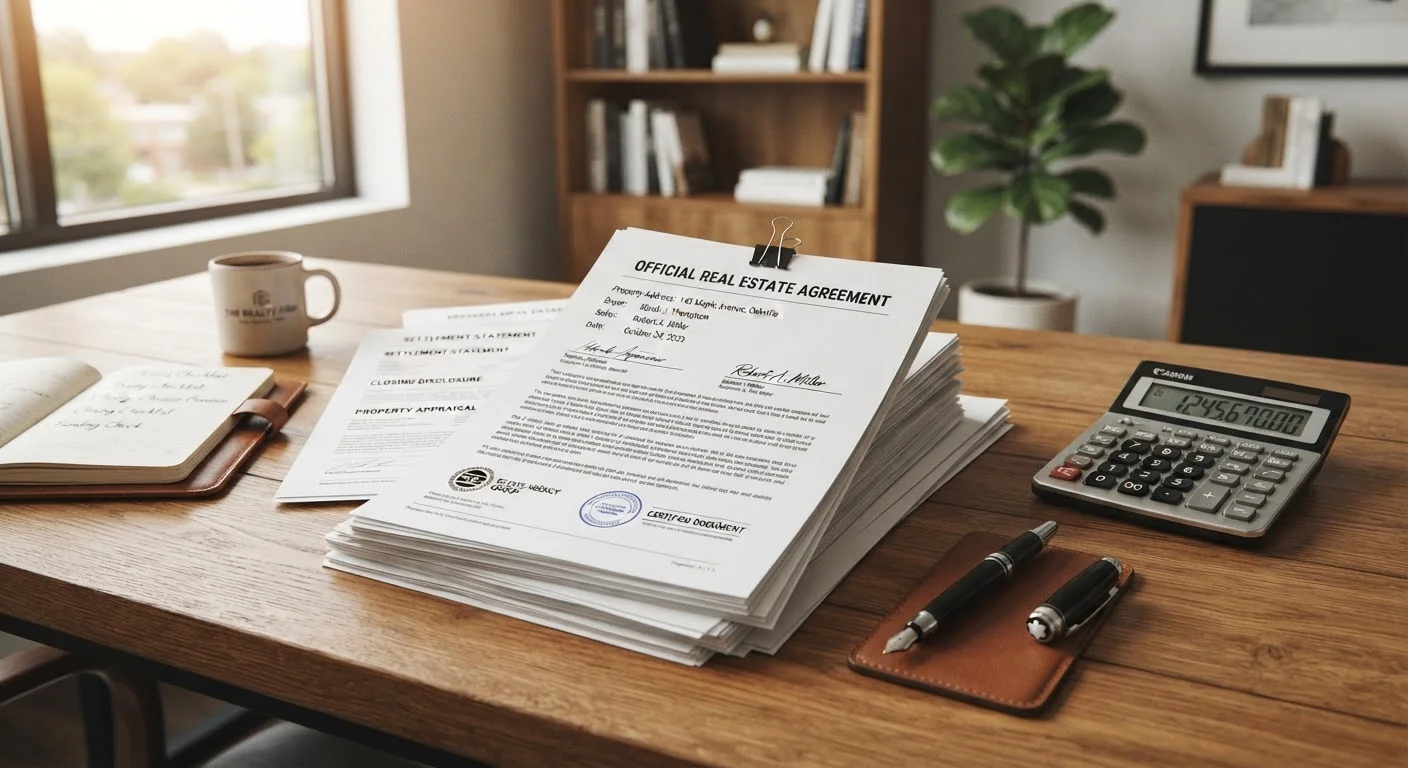

Understanding the Negotiation Landscape
Receiving an offer on your home can feel like the finish line - but it is actually the starting point of a structured negotiation process. Most offers do not match your asking price or include every term you'd prefer, and that is normal. The goal of negotiation is to close the gap between what a buyer is willing to pay and what you need to net, while also resolving the logistical terms that make a closing possible.
Sellers often focus exclusively on price, but a purchase offer is a package deal. Terms like contingency lengths, closing date flexibility, and seller-paid closing costs all affect your bottom line and your timeline. Understanding each variable gives you more leverage than fixating on a single number.
If you are unfamiliar with terms like earnest money, contingency, or concession, the Real Estate Terms Every Home Seller Should Understand offers plain-language definitions before you dive into the steps below.
Know Your Bottom Line Before Offers Arrive
Before listing, calculate the minimum net proceeds you need after agent commissions, prorated taxes, and closing costs. Having that number in hand keeps emotions from driving counter-offer decisions. Your agent can prepare a seller's net sheet to help you model different scenarios.
What to Expect and How to Prepare
Preparation before an offer arrives makes every subsequent decision faster and clearer. Know your local market: how long comparable homes are sitting, what list-to-sale price ratios look like, and what buyers in your price range typically ask for. This context shapes what a reasonable counteroffer looks like and what concessions are standard vs. exceptional in your area.
Also understand your own constraints. If you need to close by a specific date due to a job relocation or a purchase you're making simultaneously, that closing date becomes a priority term. If you need a minimum net amount to pay off your mortgage and cover moving costs, that anchors your price floor.
What you will need
Buyers in your market may be comparing your home against others, just as you compare offers. For perspective on how buyers approach that process, see how buyers craft competitive offers. Understanding their strategy makes you a more effective negotiator.
Counteroffers Reset the Clock
When a seller issues a counteroffer, the original offer is legally void. If the buyer does not accept the counter, the seller cannot revert to the original terms without the buyer's agreement. Understand this dynamic before declining or countering any offer, and discuss timing strategy with your agent or attorney.
Once you're grounded in the terminology and your own position, follow the steps below to move through a negotiation methodically.
Review the offer in full before responding
When a written offer arrives, read every term before forming a reaction to the price. A purchase offer is a legally structured document covering price, earnest money deposit, financing contingency, inspection contingency, appraisal contingency, proposed closing date, and any personal property the buyer expects to be included. Each of these terms carries real financial weight. For a plain-language explanation of these clauses, see how purchase agreement terms work.
Assess the offer price against comparable sales
Pull recent sales data for comparable homes - similar square footage, condition, and location - sold within the past three to six months. This data, often called a comparative market analysis (CMA), gives you an objective reference point. If the offer is below market value, your counter should be grounded in those comparables, not emotion. If the offer is at or above market, weigh whether the other terms justify accepting outright.
Decide which terms to counter
Price is the most visible term, but it is rarely the only one worth addressing. Common items sellers push back on include:
- Purchase price - the most direct lever
- Earnest money - requesting a larger deposit signals buyer commitment
- Closing date - align it with your move-out timeline or mortgage payoff schedule
- Contingency deadlines - shorter inspection or financing windows reduce your time off market if the deal falls apart
- Seller concessions - buyers sometimes ask sellers to cover a portion of closing costs; you can reduce or reject this
- Included items - appliances, fixtures, or furniture listed in the offer can be removed or negotiated separately
For a deeper look at how contingencies affect both sides, see what each contingency does.
Submit a written counteroffer
Work with your agent or real estate attorney to prepare a formal counteroffer document. This typically takes the form of a counter-proposal addendum that specifies the terms you are modifying and leaves the remaining offer terms intact. Set a clear expiration window - commonly 24 to 72 hours - to avoid leaving the buyer unlimited time to shop competing properties while your home sits under negotiation.
Evaluate the buyer's response and decide whether to accept, counter again, or walk away
Negotiation can involve multiple rounds. Each round, assess the buyer's concessions relative to yours. If the gap is narrowing, continued negotiation is usually worthwhile. If the buyer is unmoved after two or three rounds, consider whether the deal still meets your needs or whether returning the home to active listing status is the stronger position. In a competitive market, another offer may be close behind; in a slower market, the cost of restarting the process is higher.
For context on how this fits into the broader transaction, see the full home selling process.
Sign the accepted agreement and move toward closing
Once both parties sign the same version of the purchase agreement - with all counters incorporated - you have a binding contract. From here, the buyer's contingency periods begin running. Stay responsive: inspection findings, appraisal results, or lender conditions may prompt additional negotiation before closing. Keep records of every signed document and amendment throughout the process.