Why Soil pH Matters for Plant Health
Think of soil pH as a gatekeeper for plant nutrition. Even if your soil contains plenty of nitrogen, phosphorus, potassium, and trace minerals, plants can only absorb those nutrients when the pH is within their preferred range. When the pH drifts too far in either direction, nutrients essentially become locked out - chemically bound in forms roots cannot take up.
For example, iron and manganese become more soluble in acidic conditions, which can cause toxicity in sensitive plants. In alkaline soil, phosphorus binds tightly to calcium and becomes largely unavailable - a common reason plants look stunted or pale even after fertilizing. Understanding this relationship is the foundation of smart soil management.
6.0-7.0
Optimal pH range for most vegetables
University cooperative extension programs consistently recommend this range as the sweet spot for nutrient availability in home vegetable gardens.
~70%
U.S. soils that benefit from pH testing
Soil scientists estimate the majority of American home garden soils fall outside the ideal pH range and could benefit from periodic testing and amendment.
3-6 months
Typical time for lime to fully raise pH
Agricultural extension guidelines note that lime amendments work gradually, requiring several months for the full pH shift to be measurable on a retest.
The pH Scale and What Your Reading Means
The pH scale runs from 0 to 14. Pure water sits at 7 (neutral). Garden soils typically fall somewhere between 4.0 and 8.5, depending on local climate, parent rock material, rainfall, and land use history.
- Strongly acidic (below 5.5): Common in high-rainfall regions and under pine trees. Few plants thrive here without amendment.
- Slightly acidic (5.5-6.5): Ideal for many vegetables, berries, and most ornamentals.
- Near-neutral (6.5-7.0): Excellent for a wide range of plants including most lawn grasses and many flowers.
- Alkaline (above 7.0): Often found in drier climates and areas with limestone-rich soils. Can limit iron and zinc availability.
It is worth noting that the scale is logarithmic - a pH of 5 is ten times more acidic than a pH of 6, not just slightly different. This is why precise measurement matters when you are planning amendments.
How to Test Your Soil pH
There are three practical options for testing soil pH at home or through a professional service:
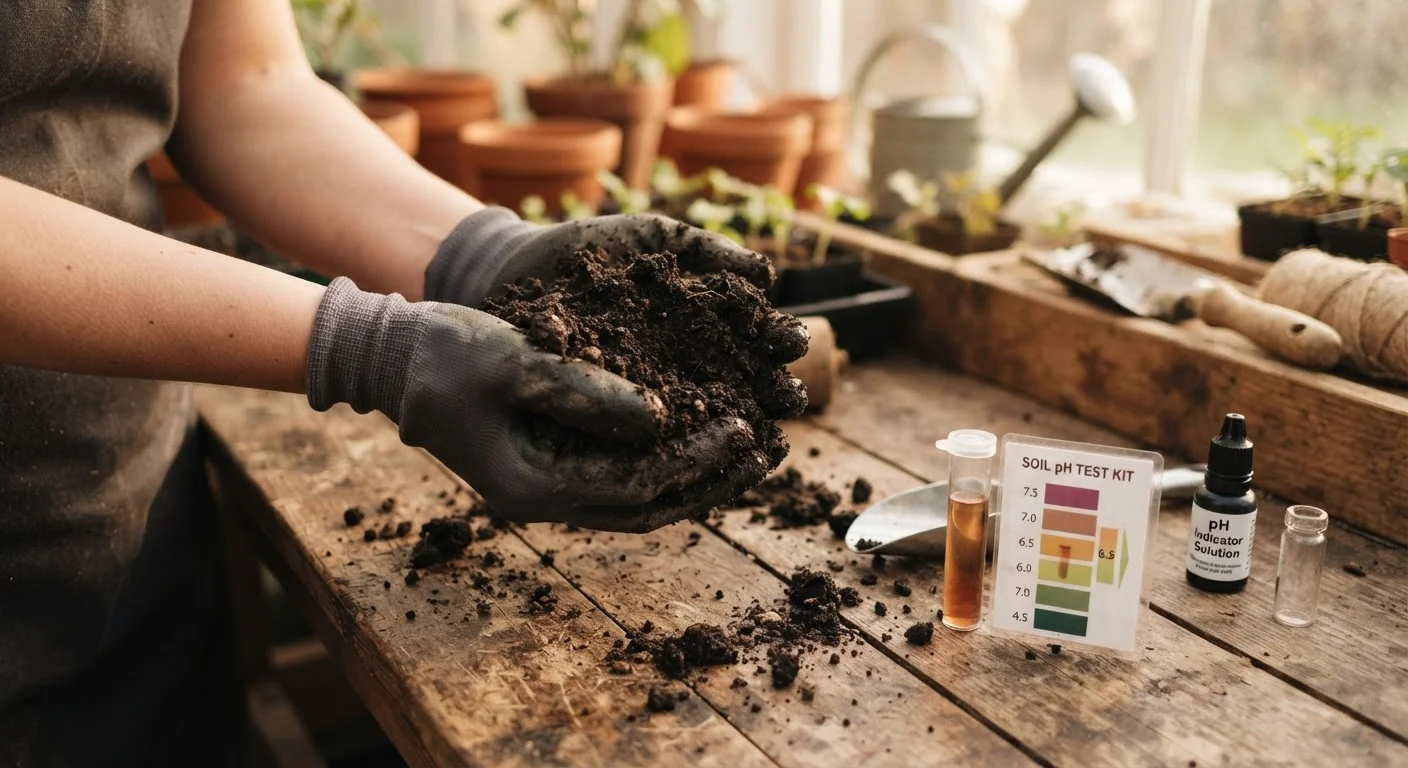
- Home test kits: These liquid or strip-based kits are inexpensive and give a reasonable estimate. Follow the package directions for collecting and mixing your soil sample, and compare the resulting color against the chart provided.
- Digital pH meters: A step up in precision, these probes are inserted directly into moist soil. Calibrate the meter with a buffer solution before use to ensure accurate readings.
- Cooperative extension lab tests: Most U.S. land-grant universities operate soil testing labs through their cooperative extension programs. For a modest fee, they provide a detailed report with pH, nutrient levels, and specific amendment recommendations tailored to your crop or lawn type. This is the most reliable option before making large-scale changes.
When collecting a sample, take small scoops from six to eight spots across the area you are testing, mix them together in a clean container, and test that composite. This averages out natural variation and gives a more representative reading.
Adjusting Soil pH: Practical Steps
Once you have a reading, you can decide whether amendment is needed. Small deviations from the ideal range often do not require action - plants are more resilient than the numbers alone suggest. Significant deviations, however, are worth correcting.
To raise pH (make less acidic): Ground agricultural limestone is the standard choice. Dolomitic limestone also supplies calcium and magnesium, which is beneficial in many soils. Work it into the top several inches of soil and water well.
To lower pH (make more acidic): Elemental sulfur is commonly used. Soil bacteria convert it into sulfuric acid over weeks to months. Acidic organic mulches such as pine bark can provide a slower, gentler effect over time.
Test Before You Amend
Never apply lime or sulfur based on a guess - always get a soil test reading first. Over-correcting pH is just as problematic as leaving it unchanged, and it can take a full growing season or more to reverse an overshoot. A small investment in a reliable test saves time, money, and plant stress.
Always follow amendment rate guidelines from your soil test report or extension service - applying more than recommended does not speed up results and can overshoot your target range. Plan to retest after three to six months to evaluate progress before adding more.