
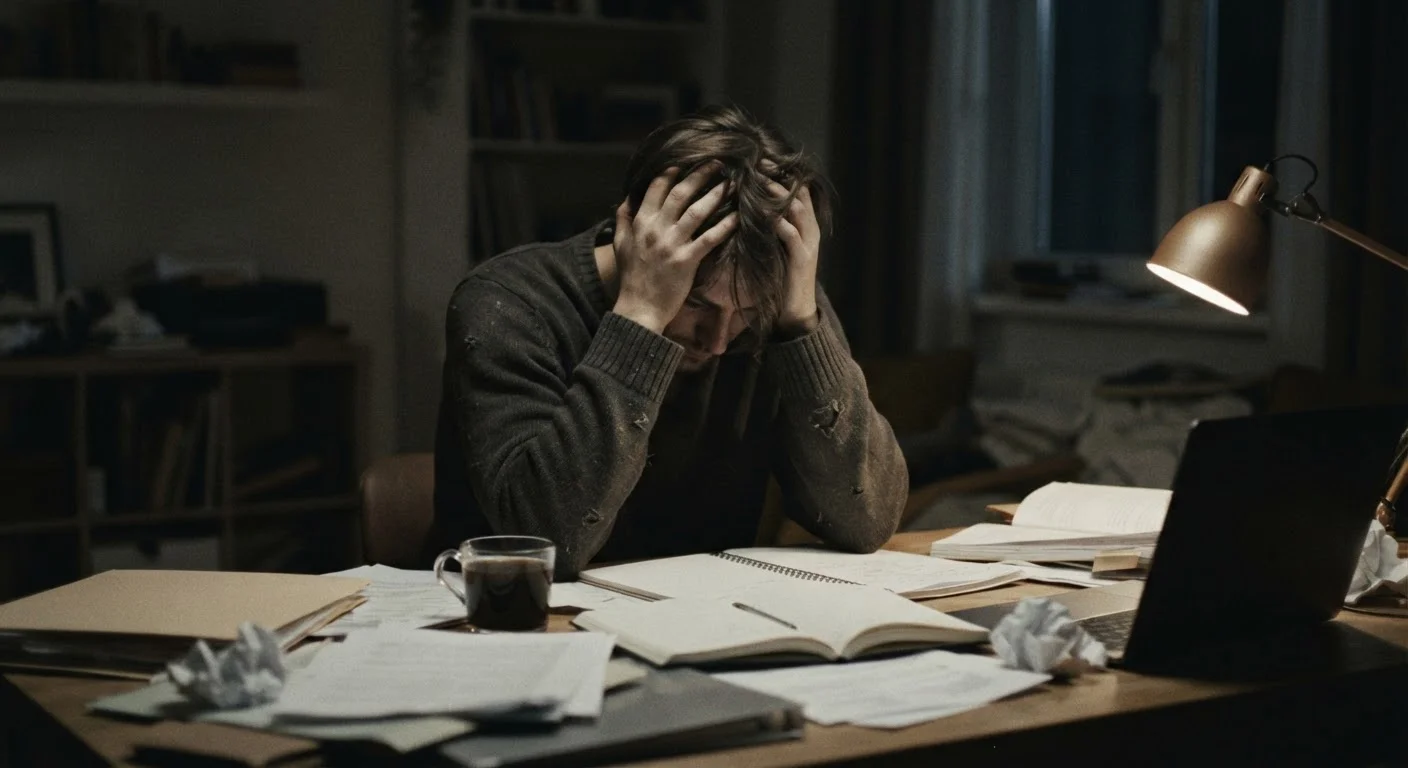
What Is Emotional Burnout?
Emotional burnout is a state of deep mental, physical, and emotional depletion caused by prolonged or unrelenting stress. Unlike ordinary tiredness - which resolves after a good night's sleep - burnout represents a more profound exhaustion that accumulates over weeks or months, often going unrecognized until it significantly disrupts daily life.
The concept was first formally described by psychologist Herbert Freudenberger in the 1970s, originally in the context of healthcare workers. Research since then has broadened the understanding of burnout: it can affect anyone facing sustained demands that exceed their resources - caregivers, parents, students, and people in high-pressure jobs alike.
It's important to understand that burnout is not a personal failing or a sign of weakness. It is a recognized response to chronic environmental stressors, and reducing the stigma around it begins with recognizing it for what it is. To understand how unmanaged stress creates the biological conditions for burnout, see how chronic stress affects the body.
| Who is affected | Anyone facing sustained demands that outpace available resources - not limited to any profession |
| Core dimensions (Maslach model) | Emotional exhaustion, depersonalization, and reduced sense of accomplishment (Maslach & Jackson, 1981) |
| Difference from stress | Stress often involves too much pressure; burnout involves feeling emptied and depleted |
| Recovery timeline | Highly variable; recovery typically requires addressing root causes, not just rest |
| When to seek help | If symptoms persist, worsen, or interfere with daily functioning, consult a licensed mental health professional |
Recognizable Warning Signs
Burnout rarely announces itself all at once. Instead, it tends to emerge gradually through a cluster of overlapping signs. Being able to name these warning signals is a critical first step toward addressing them.
Emotional Signs
- Persistent cynicism or detachment: Feeling emotionally numb, disconnected from work, relationships, or activities that once felt meaningful.
- Irritability or low frustration tolerance: Reacting to small setbacks with disproportionate frustration or anger.
- Sense of dread or hopelessness: Feeling that nothing will improve, or that effort is pointless.
Cognitive Signs
- Difficulty concentrating: Trouble focusing, forgetting details, or making simple decisions.
- Reduced sense of accomplishment: Completing tasks but feeling empty or ineffective regardless of outcomes.
- Mental "flatness": A dulled internal experience - reduced creativity, curiosity, or enthusiasm.
Physical Signs
- Chronic fatigue: Waking up already tired, even after adequate sleep.
- Frequent illness: A weakened immune response due to sustained stress hormones.
- Physical complaints without clear cause: Headaches, gastrointestinal symptoms, or muscle tension that persist without other medical explanation.
Many people attempt to cope by pushing harder, isolating further, or relying on avoidance behaviors. Unfortunately, some of these instincts can deepen the cycle - common stress responses that backfire are worth understanding before doubling down on them.
Common Contributors and What Helps
Burnout rarely has a single cause. It tends to result from a combination of external pressures and internal patterns.
Typical Contributing Factors
- Chronic overwork without adequate recovery time
- Lack of control or autonomy over one's environment or schedule
- Insufficient recognition, support, or social connection
- Misalignment between personal values and daily demands
- Caregiving responsibilities without sufficient breaks or resources
General Approaches That Support Recovery
Research and clinical guidance suggest several broad strategies that tend to help people move through burnout - though the right approach is highly individual:
- Rest as a priority, not a reward: Sleep, breaks, and downtime are not luxuries; they are physiological requirements for recovery.
- Setting meaningful limits: Identifying where demands can be reduced, even modestly, can interrupt the burnout cycle.
- Social connection: Isolation tends to worsen burnout; reconnecting with trusted people - even briefly - can provide meaningful relief.
- Professional support: A licensed mental health professional can help identify underlying patterns and develop tailored strategies.
This article is for general informational and educational purposes only and is not a substitute for professional medical or mental health advice. If you are experiencing symptoms of burnout or emotional distress, please consult a qualified healthcare or mental health professional.