What Gap Insurance Actually Does
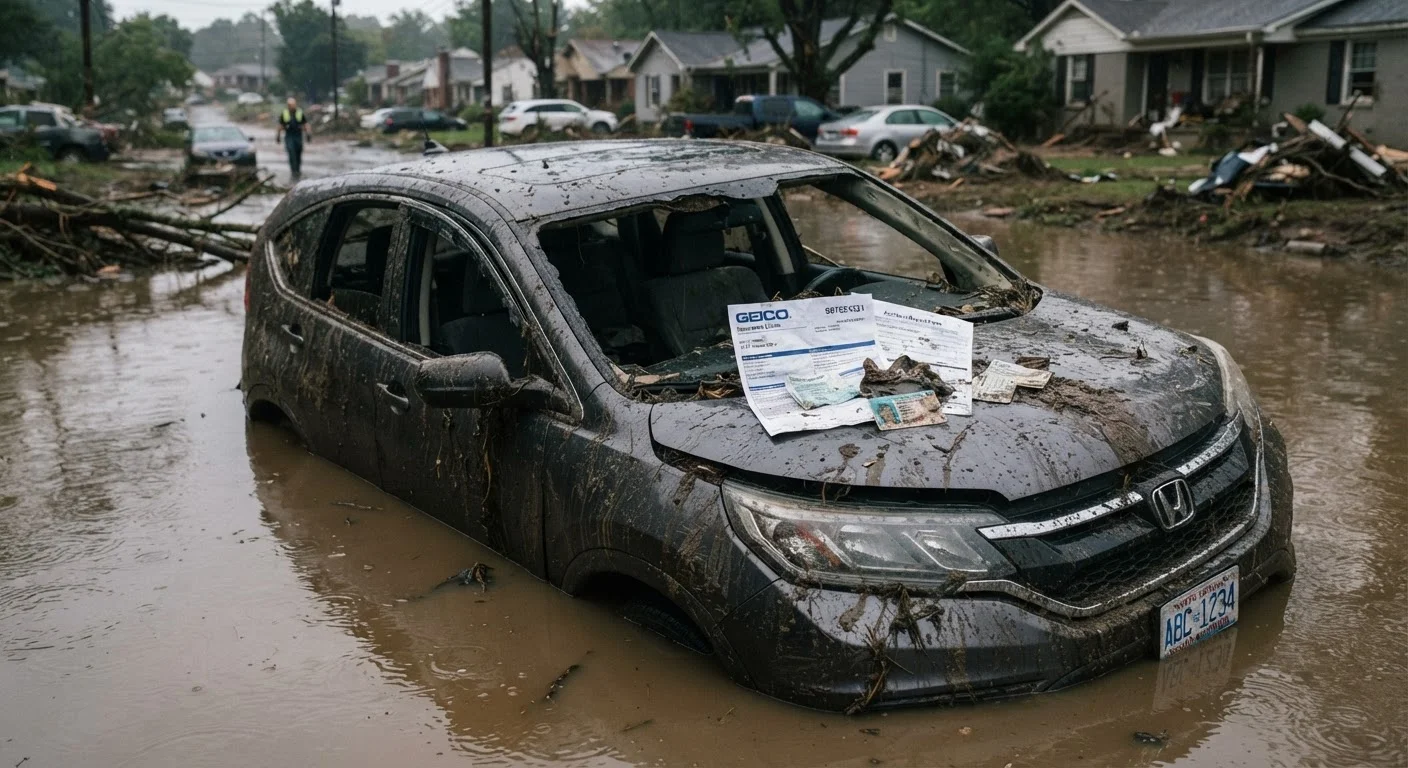
When your car is declared a total loss - whether from an accident, theft, or a natural disaster - your standard auto insurance policy pays out the vehicle's actual cash value (ACV). That's what the car is worth on the open market at the moment of the loss, not what you paid for it and not what you still owe.
The problem is that cars depreciate fast. A new vehicle can lose 15% to 25% of its value in the first year alone. If you financed the purchase with a small down payment and a long loan term, there's a good chance your loan balance is higher than the ACV - sometimes by thousands of dollars. That gap is your financial exposure.
Gap insurance - short for Guaranteed Asset Protection - covers that shortfall. If your insurer pays $18,000 for a totaled car but you still owe $22,000 on the loan, gap coverage picks up the remaining $4,000 so you're not stuck making payments on a car you no longer have.
It's worth understanding that gap coverage only applies to total loss situations. It does not pay for repairs, and it doesn't cover missed payments or financial hardship unrelated to the vehicle being totaled or stolen. For a broader look at how auto insurance is often misunderstood, see common auto insurance myths.
The Pros and Cons of Gap Coverage
Like any financial product, gap insurance has clear advantages in specific situations and little value in others. Here's how both sides break down.
Protects you from owing on a totaled car
Without gap coverage, you could be required to continue making loan payments on a vehicle that no longer exists. Gap insurance eliminates that liability.
Relatively low cost for the protection offered
When purchased through an auto insurer rather than a dealership, gap coverage is often inexpensive relative to the potential exposure it covers.
Valuable during high-depreciation early loan years
The first two to three years of ownership are when the gap between loan balance and vehicle value is typically widest, making this period the most financially vulnerable.
Often required or built into leases
Many lease agreements include gap protection as a standard feature, giving lessees coverage without needing to purchase a separate policy.
Unnecessary if you have equity in the vehicle
If your car is worth more than your loan balance, gap insurance provides no benefit. Paying for coverage you can't use is money wasted.
Dealership-sold policies can be overpriced
Dealers sometimes charge significantly more for gap coverage than insurers do. Accepting dealer financing add-ons without shopping around can cost you more over the loan term.
Does not cover deductibles, missed payments, or repairs
Gap insurance is narrowly defined. It only applies in a total loss scenario and won't help with your deductible, past-due amounts, or repair costs after a partial loss.
Coverage becomes redundant as the loan matures
As you pay down the loan, the gap between balance and value typically closes. Continuing to pay for gap insurance past that point offers diminishing value.
The cost of gap insurance varies depending on where you buy it. Dealerships often roll it into the financing, which can be expensive. Standalone policies from your auto insurer are often cheaper - sometimes $20-$40 per year added to your existing premium - though actual pricing depends on your insurer, vehicle, and location. Always compare before accepting what the dealer offers.
When Gap Insurance Makes Sense - and When It Doesn't
Check Whether You Already Have It
Before purchasing gap insurance separately, review your existing auto policy and any loan or lease documents. Some lenders include gap protection in the loan terms, and certain auto insurers offer it as a standard endorsement. Buying it twice means paying for duplicate coverage with no added benefit.
Gap coverage is worth serious consideration if any of these apply to you:
- You put less than 20% down on the vehicle
- Your loan term is 60 months or longer
- You rolled negative equity from a previous vehicle into your current loan
- You're leasing (many lease agreements require gap coverage by default)
On the other hand, gap insurance is probably unnecessary if you paid cash, made a large down payment, or your remaining loan balance is already close to - or below - the car's market value. At that point, you carry little to no financial exposure in a total loss scenario.
If you're weighing the full financial picture of how you're funding your vehicle, financing versus paying cash is worth reviewing before you decide.
20%+
Average first-year vehicle depreciation
Industry data consistently shows new vehicles lose a substantial portion of their value within the first 12 months of ownership, creating the gap that this insurance addresses.
70%
New car buyers who finance their purchase
According to Experian's automotive finance data, the large majority of new vehicle purchases in the U.S. involve some form of financing, making gap exposure a widespread risk.
One practical tip: check your loan balance against estimated vehicle values periodically. Once your loan balance drops below the car's market value, you may no longer need gap coverage and can cancel it.
Gap coverage is one of several financial oversights that catch new owners off guard. Financial mistakes new car owners commonly make covers others worth knowing before they cost you.
This article is for general informational purposes only and does not constitute financial or insurance advice. Consult a licensed insurance professional for guidance specific to your situation.