
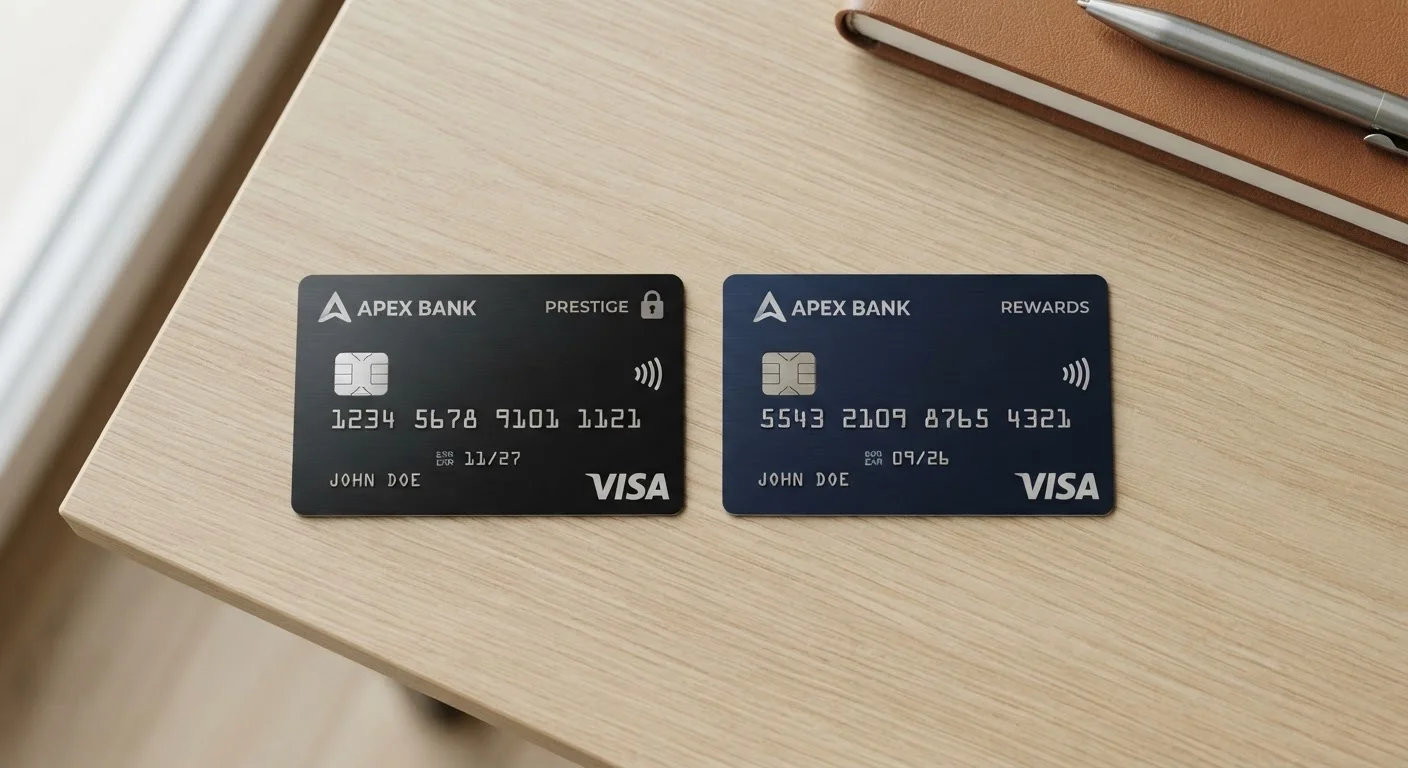
What Makes a Credit Card 'Secured'?
A secured credit card is backed by a cash deposit you make upfront with the card issuer. That deposit - often ranging from $200 to $500, though it varies by issuer - typically equals your credit limit. If you deposit $300, you can generally charge up to $300 on the card.
The deposit acts as collateral. From the lender's perspective, this significantly reduces risk: if you stop paying, the issuer can apply your deposit to cover the balance. This is why secured cards are available to people who would be turned down for a standard card - those with a thin credit file or a history of missed payments.
Crucially, secured cards still function like any other credit card in everyday use. You make purchases, receive a monthly statement, and are expected to pay at least the minimum due. The issuer reports your payment activity to the major credit bureaus (Equifax, Experian, and TransUnion), which means responsible use directly contributes to building your credit score. For more on how credit scores actually work, see The Truth Behind Common Credit Score Myths.
How Unsecured Cards Work - and Who Qualifies
An unsecured credit card requires no deposit. Instead, the issuer evaluates your application based on factors like your credit score, income, and existing debt obligations. If you meet their standards, you're approved and assigned a credit limit based on your creditworthiness.
Because the lender takes on more risk - there's no collateral to fall back on - unsecured cards generally require at least a fair credit score to qualify. Applicants with good or excellent credit unlock better terms: lower annual percentage rates (APRs), higher limits, and rewards programs like cash back or travel points.
If you're just starting out with no credit history at all, an unsecured card can be difficult to obtain without a co-signer. Our guide on building credit from scratch covers responsible first steps for people in that position.
| Criterion | Secured Credit Card | Unsecured Credit Card |
|---|---|---|
| Upfront deposit | Required (equals credit limit) | Not required |
| Approval requirements | Low; accessible with poor/no credit | Moderate to high; based on credit profile |
| Typical APR | Often higher | Varies; can be lower with good credit |
| Annual fees | Common and can be significant | Varies; many no-fee options exist |
| Rewards programs | Rarely offered | Widely available |
| Credit bureau reporting | Yes - all major bureaus | Yes - all major bureaus |
| Upgrade path | Often available after consistent payments | Not applicable |
Key Trade-Offs: Costs, Access, and Credit Impact
The most significant practical difference between secured and unsecured cards comes down to cost and access. Secured cards often come with higher APRs and annual fees relative to comparable unsecured products, which makes carrying a balance on them especially costly. As a general rule, the goal with any credit card - but especially a secured one - should be paying the full balance each month to avoid interest charges altogether.
On the access side, secured cards open doors that unsecured cards won't. For someone rebuilding after a bankruptcy or a run of late payments, being able to qualify for any card is itself progress. Many issuers also offer a formal upgrade path: after a period of on-time payments (often 12 months), they may return your deposit and convert the account to an unsecured card - sometimes without even requiring a new application.
From a credit-building standpoint, both card types can be equally effective, provided you use them the same way: keep your balance well below your credit limit (generally below 30% of the limit is suggested), pay on time every month, and avoid applying for multiple cards in a short window. These habits influence your credit utilization ratio and payment history - the two most heavily weighted factors in most scoring models.
For a broader look at how different debt tools fit together, the guide Understanding Debt: A Complete Guide provides useful context on revolving credit and how it interacts with other types of borrowing.
~35%
Weight of payment history in FICO scores
According to FICO, payment history is the single largest factor in most standard credit score calculations.
30%
Credit utilization's share of FICO score
FICO identifies amounts owed - including how much of your available credit you're using - as the second most influential scoring factor.
$200-$500
Typical secured card deposit range
Most secured card issuers require a minimum deposit in this range, though some allow higher deposits for a larger credit limit.
This article is for general informational and educational purposes only and does not constitute personalized financial or credit advice. Consult a qualified financial professional before making decisions specific to your situation.